
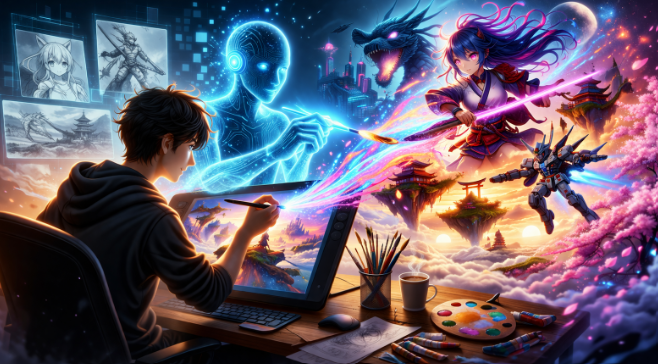
In recent years, the art world has undergone a remarkable transformation in the methods of creative expression, largely due to the rise of artificial intelligence in the realm of digital art. This innovative technology has empowered artists and enthusiasts alike, enabling them to craft stunning artworks from vibrant paintings to intricate illustrations that push the boundaries of traditional artistry. With each passing day, AI tools are evolving, enhancing their capabilities and deepening their impact on the creative landscape.
As we look ahead, one can’t help but wonder about the future of AI in the creative industries. What new horizons will it unlock for artists, and how can businesses leverage this technology to forge truly unique and inspiring creations? In this article, we will delve into the multifaceted role of AI in digital creativity, examining its burgeoning influence and the exciting possibilities it holds for the future of art.
How is AI Changing the Way We Create Art?
AI is not just a tool, it’s becoming a collaborator in the creative process. Over the past few years, we’ve witnessed AI systems that can generate everything from realistic paintings to abstract sketches, sometimes blurring the lines between human-made and machine-made art. These advancements have opened up new possibilities for creators and businesses, enabling them to explore their creativity without the limitations of traditional techniques.
AI art generators, for instance, allow users to enter a vision or description and, within seconds, create a stunning piece of art. Whether you’re interested in creating detailed illustrations, fantasy artwork, or futuristic sci-fi scenes, AI can handle it all. The process is simple and fast, allowing individuals with little to no artistic background to create works of art that were once reserved for trained professionals.
What Are the Benefits of Using AI for Art Creation?
AI-powered art generation offers numerous benefits to both professionals and hobbyists, especially those who want to push the boundaries of their creativity or experiment with new styles. Here are some of the key advantages:
- Speed and Efficiency: AI can produce art in seconds, drastically reducing the time it would take a human artist to complete the same work. Whether you’re generating a painting, illustration, or digital sketch, AI streamlines the process, making it faster and more efficient.
- Accessibility: Not everyone has the time or resources to undergo extensive art training. With AI art tools, anyone can create high-quality artwork regardless of their skill level. This democratization of creativity allows more people to engage with art in a meaningful way.
- Exploration of New Styles: AI opens doors to artistic styles that might otherwise be difficult to achieve. Whether you’re looking for futuristic sci-fi visuals, anime-inspired illustrations, or abstract art, AI tools can generate these styles effortlessly.
- Personalization: With AI art generators, you can input a vision or description to tailor your artwork to your specific preferences. Want an art piece that mixes traditional painting techniques with modern graphic design? AI can make that happen.
By using AI tools, creators can unleash their full potential and explore creative avenues they may not have previously considered. With invideo’s AI art generator, users can quickly transform their ideas into visually stunning art without needing complicated software or professional artistic skills. By simply entering a text prompt, the tool generates artwork based on the specified instructions, making it incredibly easy for anyone to produce high-quality digital art in seconds.
How Can Businesses Use AI-Generated Art?
Businesses can leverage AI-generated art to enhance their branding, marketing campaigns, and social media content. Whether you’re a small business owner or a large corporation, AI art generation offers several advantages:
- Brand Identity: AI can help create custom logos, brand illustrations, and other visual content that aligns with a company’s identity. Instead of relying on images online, businesses can develop unique visuals that help distinguish them from competitors.
- Social Media Engagement: In today’s digital world, standing out on social media is crucial. AI-generated art can be used to create eye-catching visuals for posts, advertisements, and social media campaigns, boosting engagement and attracting followers.
- Product Design: If you’re launching a new product, AI can help create conceptual artwork for prototypes, packaging designs, and other product visuals, enabling businesses to visualize products before they are even produced.
- Personalized Content: AI-generated art can be tailored to suit specific audiences, making it ideal for businesses looking to create personalized marketing campaigns. Whether you need artwork for an email newsletter or a promotional flyer, AI tools can help produce content that resonates with your target demographic.
AI-generated art offers businesses the flexibility to create unique visuals on-demand without the need for a dedicated design team. This can save both time and money, making AI an invaluable tool for companies of all sizes. Additionally, businesses can now integrate AI generated video into their content strategy, enabling the creation of dynamic and engaging visual stories that capture attention and drive results.
How Does AI Art Compare to Traditional Art?
While AI-generated art offers numerous advantages, it’s essential to acknowledge that it is different from traditional art forms in several ways. Traditional art involves a direct connection between the artist and their medium, often requiring years of practice and skill development. AI art, on the other hand, is generated by an algorithm that draws on pre-existing data to create new work.
However, this doesn’t diminish its value. AI-generated art offers a fresh approach, blending human creativity with machine efficiency to create something entirely new. In fact, many artists are now integrating AI tools into their workflow, using the technology to enhance their creative process rather than replace it.
What’s Next for AI in Art?
As AI technology continues to evolve, the potential for AI-generated art is limitless. Future developments may include more advanced tools for creating interactive or immersive art experiences, such as virtual reality (VR) and augmented reality (AR) art. Additionally, AI may become even better at understanding and replicating artistic techniques, allowing for greater control and precision over the generated artwork.
The future of art lies in the collaboration between human creativity and AI capabilities. Artists and creators will continue to use AI tools as a way to push the boundaries of their work, generating unique and innovative pieces that were once unimaginable.
Conclusion
The role of AI in digital creativity is still in its early stages, but its potential is enormous. With tools that enable anyone to create art quickly and easily, AI is democratizing creativity, making it accessible to people from all walks of life.
From creating stunning visuals for marketing campaigns to pushing the boundaries of traditional art forms, AI is transforming how we think about and produce art. As technology continues to improve, the possibilities are endless. Whether you’re a business owner, a designer, or simply someone who enjoys creating art, AI tools will undoubtedly play a significant role in the future of digital creativity.
