
Access to reliable power is no longer a luxury—it’s a necessity. From remote job sites to emergency response zones, the demand for flexible and dependable energy solutions continues to grow. This is where containerized solar systems step in, offering a practical and modern approach to on-demand power.
Instead of relying on fixed infrastructure or fuel-dependent generators, these systems bring energy directly to where it’s needed. They are compact, efficient, and ready to perform in a wide range of environments. And as energy challenges evolve, containerized solar solutions are proving to be a smart and future-ready choice.
What Are Containerized Solar Solutions?
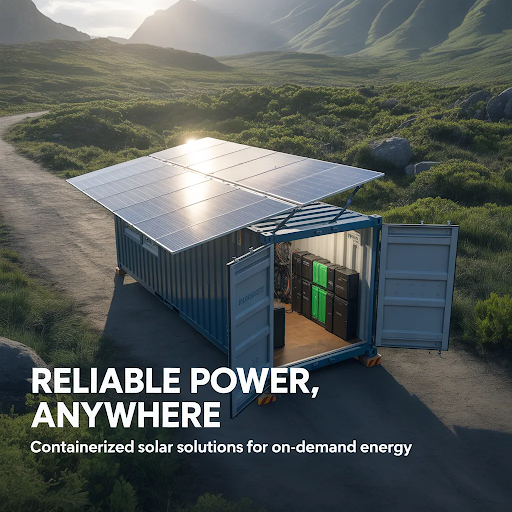
At their core, containerized solar systems are complete power units built inside standard shipping containers. These units are engineered to include everything required for generating and managing solar energy.
Inside, you’ll typically find:
- High-efficiency solar panels
- Battery storage systems
- Inverters and control units
- Pre-wired electrical components
Everything is pre-assembled and tested before delivery. This means once the container arrives on-site, setup is fast and straightforward.
No complicated installations. No long delays. Just a system that works.
Built for Quick Deployment
One of the biggest advantages of containerized solar is how quickly it can be deployed. Time is often critical, especially in situations like disaster relief or temporary operations.
These systems are designed for rapid setup. The container is delivered, the solar panels are unfolded or extended, and the system begins generating power within a short time.
This quick deployment makes a real difference. It allows teams to focus on their work instead of worrying about energy access.
A Reliable Power Source Anywhere
Traditional power systems depend on location. If you’re far from the grid, your options become limited—and often expensive.
Containerized solar changes that.
It provides reliable power in places where infrastructure is weak or nonexistent. Whether it’s a rural area, a construction project, or an outdoor event, these systems ensure a steady energy supply.
And because they rely on sunlight, they reduce the need for constant fuel deliveries.
The Role of Smart Solar Design
A key part of these systems is their intelligent design. Many solutions now include a solar powered shipping container setup with foldable or expandable panels.
This design allows the system to remain compact during transportation. Once on-site, the panels can be deployed outward, increasing the surface area for capturing sunlight.
It’s a simple idea—but highly effective.
By combining portability with performance, these systems deliver strong energy output without sacrificing convenience.
Reducing Dependence on Fuel
For years, diesel generators have been the standard choice for off-grid power. While they are effective, they come with ongoing costs and environmental concerns.
Fuel needs to be transported regularly. Maintenance is required. And emissions contribute to pollution.
Containerized solar offers a cleaner alternative.
Once installed, it runs on renewable energy. There’s no need for constant refueling, and operational costs are significantly lower over time. This not only saves money but also supports more sustainable practices.
Designed for Tough Environments
Real-world conditions can be unpredictable. From extreme weather to rough terrain, energy systems need to be durable.
Containerized solar solutions are built with this in mind.
The shipping container itself provides a strong, protective structure. It keeps internal components safe during transport and operation. Meanwhile, the solar panels and equipment are designed to withstand outdoor conditions.
This makes them suitable for:
- Construction and infrastructure projects
- Mining and industrial sites
- Emergency and humanitarian operations
- Remote research stations
Where reliability matters most, these systems deliver.
Scalable and Flexible Energy
Not every project has the same energy needs. Some require minimal power, while others demand a larger setup.
Containerized solar systems are highly flexible.
You can start with a single unit and expand as needed. Additional containers can be added to increase capacity, creating a scalable energy network. This makes it easy to adapt to changing requirements without starting from scratch.
It’s a solution that grows with you.
Supporting Sustainable Energy Goals
As the world moves toward cleaner energy, businesses and organizations are under pressure to reduce their environmental impact.
Containerized solar helps meet those goals.
By replacing traditional fuel-based systems, it reduces carbon emissions and promotes renewable energy use. It also demonstrates a commitment to sustainability, which is becoming increasingly important across industries.
Small changes in how energy is sourced can lead to big improvements over time.
Cost-Effective in the Long Run
While the initial investment in a containerized solar system may seem higher than traditional options, the long-term benefits are hard to ignore.
Lower fuel costs, reduced maintenance, and minimal operating expenses make these systems more economical over time. Additionally, their portability means they can be reused across multiple projects.
This adds even more value.
It’s not just about saving money—it’s about making a smarter investment.
Final Thoughts
Reliable power doesn’t have to be complicated. With containerized solar solutions, it becomes simple, flexible, and sustainable.
From remote locations to high-demand operations, these systems are transforming how energy is delivered. They reduce dependence on fuel, lower costs, and provide a dependable source of electricity in almost any environment.
As industries continue to evolve, one thing is clear—containerized solar is more than just an alternative. It’s a practical, forward-thinking approach to powering the world on demand.
