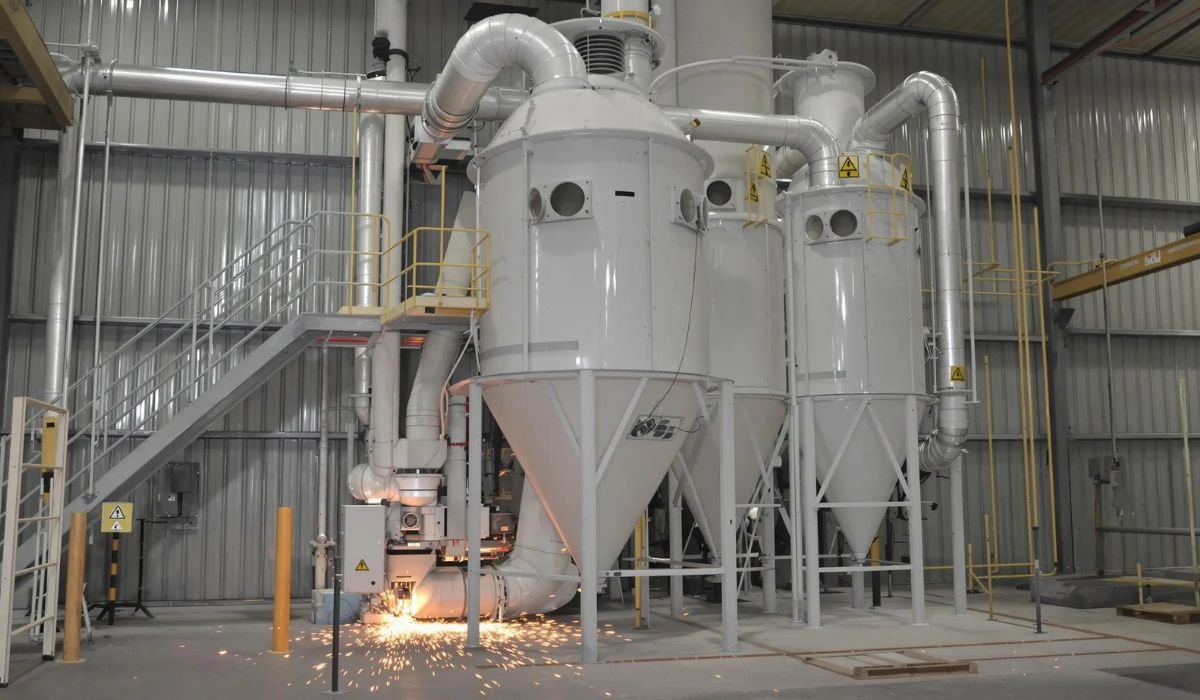
In many modern plants, dust is part of daily work. It comes from cutting metal, grinding parts, mixing powders, or moving raw materials. At first, it may look harmless. But in many cases, fine dust can become very dangerous inside a factory.
When dust builds up in the air or on surfaces, it can catch fire or even explode. This is not just theory. It has happened in many industrial plants around the world. That is why companies now focus more on safe air control systems.
Modern factories must think ahead. They must protect workers, machines, and production lines. This is where strong and reliable dust collection systems for explosive plant become very important for safe and steady work.
In this article, we will clearly explain why modern manufacturing needs explosion-safe dust collection systems. We will talk about dust risks, how these systems work, and why they are a must in 2026.
The Hidden Danger of Industrial Dust
Industrial dust is created in many ways. It can come from metal cutting, wood shaping, food processing, chemical mixing, or powder handling. These small particles float in the air and settle on floors and equipment.
Many people think dust is only a cleaning problem. But fine dust can form a cloud in the air. When this cloud meets a spark or heat source, it can burn very fast. In some cases, it can cause a strong explosion.
All it takes is dust, air, and a spark. Machines, friction, or static can create that spark. If dust builds up over time, the risk grows. That is why factories must take dust seriously.
Good explosion-safe dust collection systems remove these particles before they spread. This keeps the air cleaner and reduces the chance of fire or blast inside the plant.
What Is an Explosion-Safe Dust Collection System?
A dust collection system is made to capture and filter dust from the air. It pulls dusty air through ducts and traps the particles inside special filters. Clean air then moves back into the plant or outside safely.
In high-risk plants, the system must be built for safety. Explosion-safe dust collection systems are designed to handle fine and dangerous dust without creating new risks.
These systems may include safety parts like:
-
Explosion vents to release pressure safely
-
Spark detection units to stop fire early
-
Strong filter bags made from anti-static material
-
Isolation valves to stop flame spread
A standard system may not be enough in explosive areas. That is why dust collection systems for explosive plant are built with extra safety in mind.
Where Explosion Risk Is Highest in Manufacturing
Some industries face higher dust risks than others. For example, metal plants create fine metal powder. Wood factories produce dry sawdust. Chemical plants handle active powders. Food and grain plants deal with flour and starch dust.
Processes like grinding, sanding, crushing, and mixing create large amounts of fine particles. These particles move into the air quickly. If the space is closed and dust builds up, danger increases.
Modern plants often run machines for many hours each day. High-speed production means more dust in less time. Without proper control, dust can spread through ducts, ceilings, and work zones.
That is why strong explosion-safe dust collection systems are needed. They work all day to capture dust at the source and keep the plant safe.
How Explosion-Safe Dust Collection Systems Protect Facilities
These systems do more than clean air. They protect people. They reduce the chance of fire. They help keep machines running without damage from dust buildup.
When dust is removed early, it does not settle on beams or floors. This lowers the risk of a secondary blast. It also helps workers breathe cleaner air while doing their job.
Safe systems also protect expensive equipment. Fine dust can harm motors and moving parts. Clean air means longer machine life and fewer repair stops.
In modern manufacturing, safety and steady work go together. That is why many plants now invest in strong dust collection systems for explosive plant to protect both people and production.
Key Features to Look for in Modern Systems
When choosing explosion-safe equipment, you must look at the filter quality first. The filters should catch very fine dust. They should also resist heat and static. This helps stop sparks from building inside the system.
Strong housing is also very important. The outer body should be made from durable steel. It must handle pressure safely if a sudden event happens. Good systems are built to stay stable even in hard plant conditions.
Modern dust collection systems for explosive plant also include pressure sensors. These sensors warn workers if airflow drops or if filters become blocked. Early warning helps avoid bigger problems later.
Automatic cleaning is another key feature. Many systems clean their filters with short bursts of air. This keeps airflow steady. It also lowers the need for frequent manual cleaning.
The Role of Proper System Design and Planning
Even the best system will fail if it is not planned well. Airflow must match the size of the plant. Ducts must be placed correctly. Each dust source should connect directly to the system.
Good planning also means safe vent placement. Explosion vents must point away from workers and busy areas. Isolation valves must be installed to stop flame travel between sections.
Engineers must also think about future growth. In 2026, many plants expand quickly. A smart dust control plan allows easy upgrades later without full redesign.
Proper design makes dust collection systems for explosive plant work smoothly every day. It reduces stress on equipment and keeps safety strong.
Long-Term Benefits for Modern Plants
When dust is controlled well, daily work becomes safer. Workers feel confident. Managers feel calm. Clean air helps create a better work space without extra risk.
Good dust control also reduces downtime. Machines stay cleaner. Parts last longer. Less dust means fewer breakdowns and fewer sudden stops in production.
Insurance costs may also stay lower when safety systems are strong. Audits become easier. Plant inspections show that safety is taken seriously.
Modern factories know that safety is not a one-time action. Strong dust collection systems for explosive plant protect both today’s work and tomorrow’s growth.
Why This Matters More in 2026
Manufacturing in 2026 moves faster than ever. Machines run longer hours. Output is higher. This means dust forms faster too. Without proper control, risk grows quickly.
Safety rules are also stricter now. Plants must show that they manage dust risk in a clear way. Proper systems help meet these safety checks without stress.
Clients and partners also expect safe operations. A plant known for strong safety wins trust. A plant with poor dust control risks damage to its name.
That is why modern companies treat dust collection systems for explosive plant as a core safety investment, not just a support tool.
Final Thoughts
Dust may look small, but its risk can be very large. In many industries, fine particles can cause fire or blast if not managed early. Ignoring dust is never a safe choice.
Explosion-safe systems capture dust before it spreads. They reduce ignition risk. They protect workers, machines, and buildings. They support stable and safe production.
Modern manufacturing facilities need clear safety plans. Strong design, proper planning, and reliable equipment work together to control risk.
In 2026 and beyond, investing in strong dust collection systems for explosive plant is not optional. It is a smart and necessary step for safe and steady industrial growth.