Touring brand activations look glamorous in the pitch deck. A truck. A pop-up. A queue of smiling faces. Then the tour starts, and reality gets loud. Different councils demand different paperwork. One city runs on commuters with coffee, the next on families with prams. The weather turns fast. Talent cancels. A rival brand parks two streets away and steals footfall. Staffing models either flex or snap. Smart operators treat staffing as a moving system, not a fixed headcount. They plan for fatigue, local habits, travel time, and the fact that the same idea can feel electric in Manchester and flat in Bristol.
The Tour Is the Product
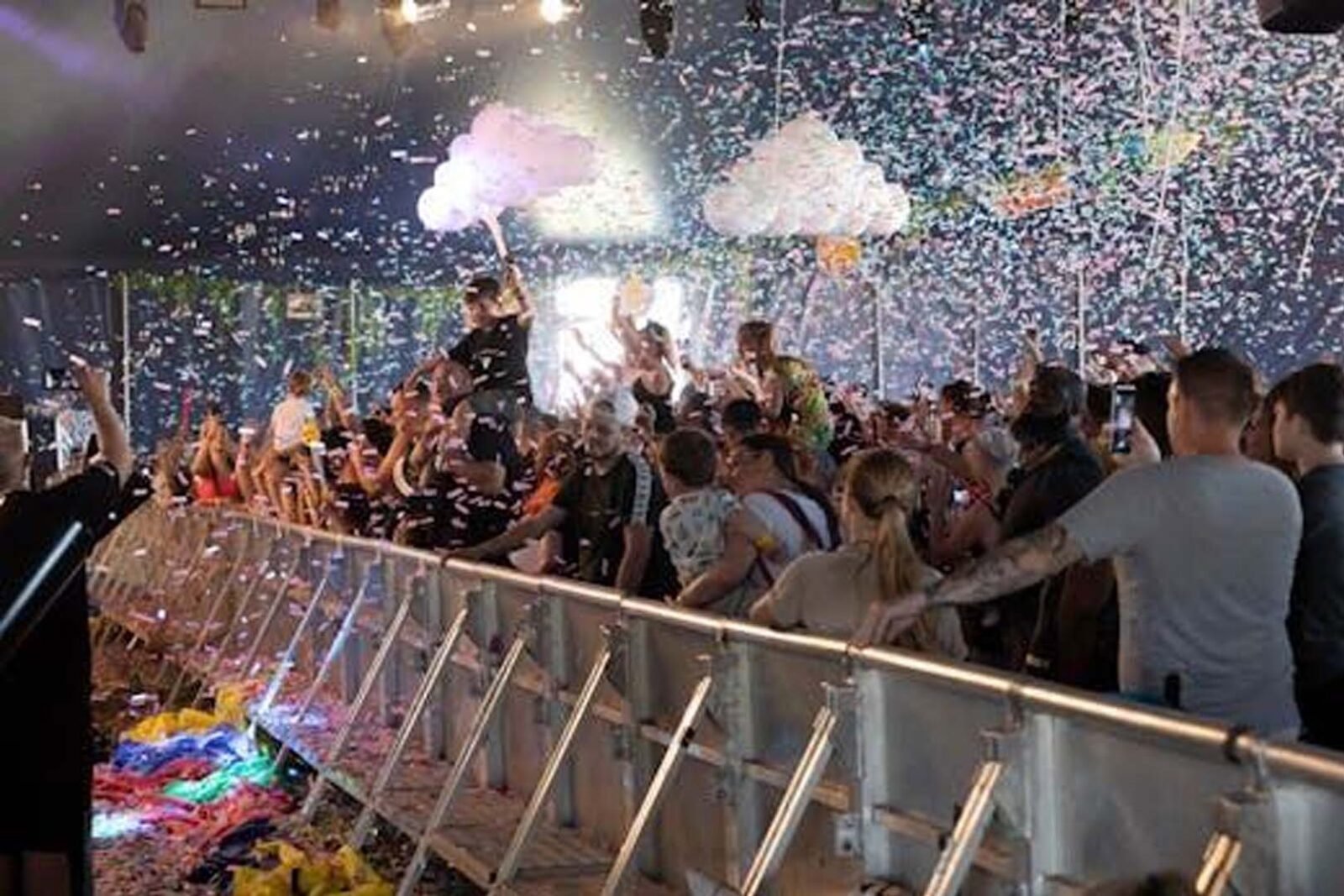
A touring activation doesn’t sell only the brand. It sells the day’s experience, city by city, hour by hour. Staffing has to match that truth. The first decision concerns shape, not size. A small core crew carries the rules, the script, the safety habits, and the brand voice. Around that crew sits a local ring of hires who know the streets and the micro-courtesies that stop an interaction from feeling imported. When the format aims for mass participation, staffing stops being a tidy roster and turns into crowd management with charm. Someone must own the queue.
Core Crew, Local Pulse
The best touring teams run like a band on tour. The drummer stays. The venue techs change. The core crew anchors standards and protects continuity. That crew also carries hard-won memories. Which spiel converts? Which demo table collapses under wind? Which giveaway triggers hoarding? Local staff bring speed to the things that slow outsiders down. They know where to park legally. They know which security firm turns up on time. They know when a “quick chat” with a market manager becomes a long negotiation. Paying for that local pulse saves more than it costs.
Scheduling for fatigue and friction
Touring schedules tempt planners into cruelty. Early load-in. Long public hours. Late load-out. Repeat. Staff burn out, and then errors arrive. Errors create incidents. Incidents create paperwork. Paperwork kills momentum. A sensible staffing model treats energy as finite. Rotas need slack, not heroic assumptions. Split shifts can work in high-footfall locations, yet they require handover discipline. One person must own the handover checklist every day. Travel days need protection, too. A long drive followed by a full shift creates sloppy interactions and poor safeguarding decisions. Relief staff and shorter public windows in certain cities can save the tour.
Training That Survives the Road
Training often dies on tour because it’s treated as a one-off. A touring staffing model needs training that is both repeatable and adaptable. Micro-briefings before doors open. Ten minutes. Sharp points only. What changed today? What the council asked for. What the risk looks like in this space. Staff also need decision rules that reduce panic. When a parent complains. When a participant needs medical help. When a journalist appears with a camera and an agenda, it can create a situation that raises questions about their intentions. Roles must have teeth. One person speaks to the press. One person handles incidents. One person watches the stock and giveaways.
Conclusion
Touring activities punish rigid staffing. They reward models that treat people as a system with memory, limits, and local intelligence. The obsession with a single perfect headcount misses the point. The right question is, ‘What must stay consistent across cities, and what must bend?’ A stable core crew protects brand behaviour, safety habits, and on-site tempo. Local staff provide cultural fluency and practical shortcuts that no central office can fake. Scheduling must account for fatigue, or the tour will experience failures. Training must live on the road, not in a forgotten slide deck. When staffing adapts with intention, the activation stops feeling like a travelling booth and becomes a series of well-run events that share a logo.