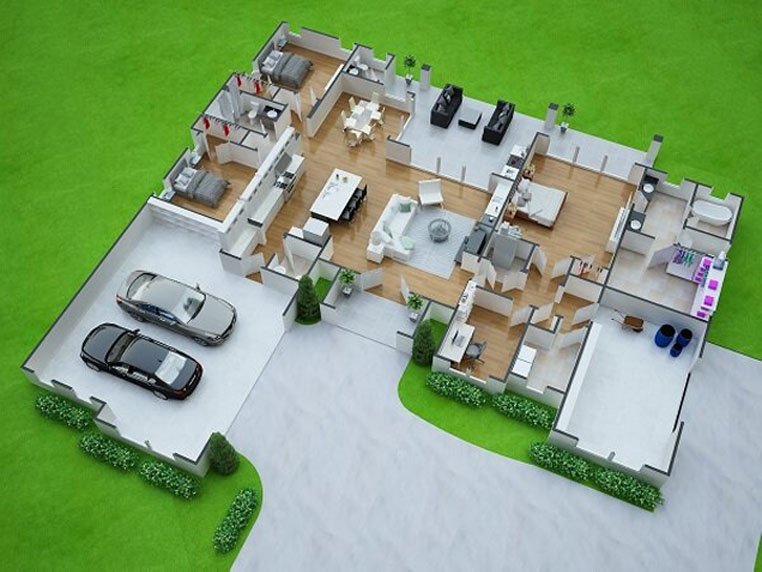
In today’s fast-paced architecture and interior design industry, virtual rendering services have become an essential tool for homeowners, architects, real estate developers, and construction companies. Before investing thousands — or even millions — into a project, people want to see exactly how the final result will look. That’s where virtual rendering transforms the process.
From realistic 3D home designs to commercial property visualizations, virtual rendering helps businesses and clients make smarter decisions, reduce costly mistakes, and accelerate project approvals.
In this article, we’ll explore why virtual rendering services matter, how they save time and money, and why they are shaping the future of modern home design.
What Are Virtual Rendering Services?
Virtual rendering services are digital visualization solutions that create realistic 3D images, animations, and walkthroughs of architectural or interior design projects before construction begins.
These renderings can include:
- Exterior home designs
- Interior room visualizations
- Landscape concepts
- Commercial building presentations
- Furniture and décor layouts
- Virtual staging for real estate
- 360-degree walkthroughs
Using advanced rendering software, designers can produce lifelike visuals that accurately represent textures, lighting, materials, and dimensions.
Why Virtual Rendering Services Matter Before You Build
One of the biggest challenges in construction and design is imagining the final outcome from technical drawings or blueprints. Most clients struggle to visualize spaces using 2D plans alone.
Better Project Visualization
Virtual rendering services allow clients to see a realistic version of the project before construction starts. This improves communication between designers, builders, and property owners.
Instead of relying on imagination, clients can:
- Review room layouts
- Compare material options
- Test lighting conditions
- Explore furniture placement
- Visualize color schemes
This level of clarity significantly reduces misunderstandings during the design phase.
Improved Decision-Making
Making design changes during construction can be extremely expensive. Virtual renderings help identify issues early so adjustments can be made before work begins.
For example:
- Incorrect room proportions
- Poor lighting placement
- Clashing materials
- Inefficient layouts
Spotting these issues beforehand leads to smarter planning and fewer costly revisions.
Increased Client Confidence
Clients are far more confident approving projects when they can clearly see the expected results. Realistic renderings help eliminate uncertainty and create trust in the design process.
How Virtual Rendering Services Save Time & Money
Construction delays and redesigns can dramatically increase project costs. Virtual rendering services help streamline the entire workflow.
Faster Design Approvals
When clients can visualize a project clearly, approvals happen much faster. Designers spend less time explaining concepts and more time refining the final outcome.
This speeds up:
- Client presentations
- Investor approvals
- Municipal submissions
- Real estate marketing campaigns
Reduced Construction Errors
Virtual rendering helps contractors understand precise design intentions. This minimizes miscommunication and reduces the risk of expensive construction mistakes.
Lower Redesign Costs
Changing structural elements after construction begins can be extremely costly. Virtual renderings allow modifications during the planning stage when changes are much more affordable.
Better Marketing for Real Estate
Real estate developers use virtual rendering services to market properties before they are built. High-quality renderings attract buyers and investors early, improving pre-sales opportunities.
This is especially useful for:
- Residential developments
- Luxury homes
- Apartment projects
- Commercial buildings
Virtual Rendering Services for Modern Home Design
Modern homeowners want personalized, functional, and visually appealing spaces. Virtual rendering services make customization easier than ever.
Personalized Interior Design
Homeowners can experiment with different design styles before making final decisions.
Popular customization options include:
- Flooring materials
- Wall colors
- Kitchen layouts
- Bathroom fixtures
- Furniture arrangements
- Lighting concepts
This creates a more satisfying and efficient design experience.
Smart Space Planning
3D renderings help homeowners maximize available space. Designers can test layouts digitally to improve functionality and flow.
This is especially important for:
- Small apartments
- Open-concept homes
- Multi-functional rooms
- Luxury interiors
Sustainable Design Planning
Virtual rendering also supports environmentally conscious construction. Designers can analyze natural lighting, ventilation, and energy-efficient layouts before building starts.
This leads to:
- Reduced energy consumption
- Better daylight utilization
- Sustainable material selection
- Eco-friendly home designs
Industries That Benefit from Virtual Rendering Services
Virtual rendering is no longer limited to architecture firms. Many industries now rely on professional rendering solutions.
Real Estate
Developers use renderings to market unbuilt properties and attract investors.
Architecture
Architects present concepts more effectively through realistic visualizations.
Interior Design
Designers showcase furniture layouts, textures, and décor ideas with precision.
Construction
Contractors use renderings to improve planning and reduce on-site errors.
Hospitality
Hotels and resorts use 3D renderings to preview renovations and future developments.
Key Features of Professional Virtual Rendering Services
Choosing the right rendering company can make a major difference in project quality.
Look for services that offer:
- High-resolution 3D renderings
- Photorealistic lighting and textures
- Fast turnaround times
- 360-degree virtual tours
- Animation walkthroughs
- Interior and exterior visualization
- Custom revisions
- Architectural accuracy
Professional rendering studios combine technical expertise with creative design to deliver highly realistic results.
The Future of Virtual Rendering Services
As technology continues to evolve, virtual rendering services are becoming even more immersive and interactive.
Emerging trends include:
- Virtual reality (VR) walkthroughs
- Augmented reality (AR) integration
- AI-powered rendering tools
- Real-time visualization
- Interactive design customization
These innovations are transforming how clients experience architecture and interior design projects.
Final Thoughts
Virtual rendering services have revolutionized the way homes and commercial spaces are designed, marketed, and constructed. By providing realistic visualizations before construction begins, these services help reduce risks, improve communication, and save both time and money.
Whether you are building a custom home, planning a renovation, or launching a real estate development, investing in professional virtual rendering services can dramatically improve project success.
As demand for smarter, faster, and more visually engaging design solutions continues to grow, virtual rendering is quickly becoming an industry standard rather than a luxury.