1. Why I Started Looking at “Dead Media” Differently
I used to think of old photos as finished content. A brand shoot was done, the best images were posted, and the rest stayed in a folder. Travel photos had the same problem. Product images, event shots, behind-the-scenes pictures, profile photos — all of them had a short life online.
That changed when short-form video became the default language of the internet.
A still image can be beautiful, but it often struggles inside a feed built for motion. When I started testing AI video tools, I noticed something useful: the biggest opportunity was not always creating something from nothing. Sometimes the smarter move was to take an image I already had and make it usable again.
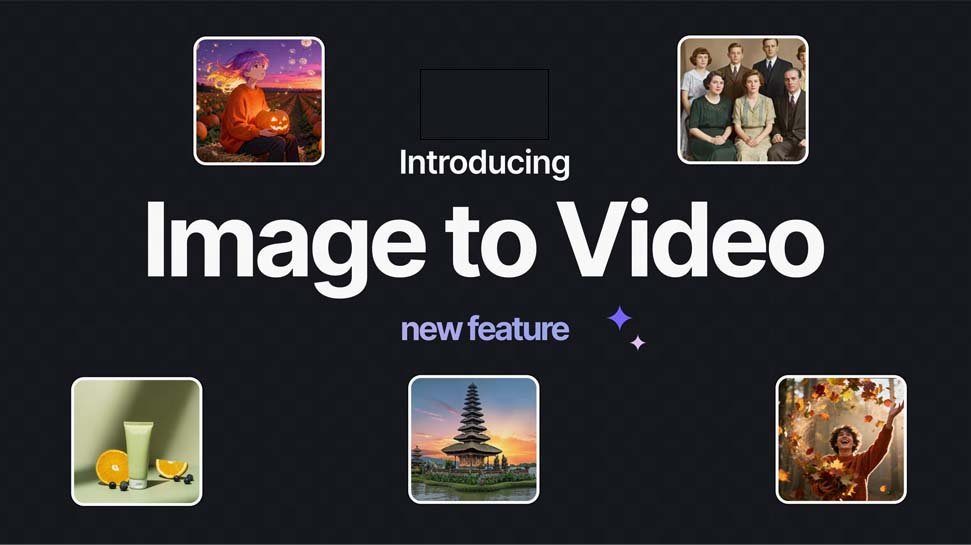
That is why I now see AI as a way to revive “dead media.” A single image can become a moving social clip, a product teaser, a short memory video, or a campaign asset. In that sense, tool like image to video generator is not just editing shortcuts. They change how creators treat their old image libraries.
GoEnhance AI also provides a good AI video generator for creators who want to turn simple visual ideas into short, usable clips without a heavy editing setup.
2. Photo Archives Are Becoming Content Libraries
Most people and small teams already have more visual material than they realize. The problem is not always a lack of content. The problem is that much of that content is locked in a static format.
I have seen this with small businesses, creators, and personal projects. Someone may have hundreds of decent images, but only a few of them ever get reused. Video platforms changed the value of those images. A photo that once looked “finished” can now become the starting point for a new piece of content.
Here is how I usually think about it:
| Old Asset | New AI Video Use |
| Product photo | Short product reveal or ad teaser |
| Event image | Recap clip or social highlight |
| Portrait | Animated profile content |
| Travel photo | Moving memory video |
| Brand visual | Website hero motion or campaign post |
| Screenshot | Product explanation clip |
This shift matters because it lowers the pressure to keep shooting new material. A small team does not always need a new production day. Sometimes it needs a better way to reuse what already exists.
3. The “Shoot Once, Animate Many Times” Workflow
The most practical idea I have taken from this is simple: shoot once, animate many times.
One product photo can support several different content angles. I might test a slow zoom for a premium feel, a soft light movement for a lifestyle post, or a more energetic motion for a campaign teaser. The image stays the same, but the story changes.
This workflow is useful because short-form platforms reward variation. Posting the same photo again does not usually work. Turning that image into different motion-based assets gives it a second life.
For example, a simple product image can become:
- a launch teaser
- a seasonal promotion
- a social media loop
- a website animation
- a short ad test
- an email campaign visual
The value is not only speed. It is flexibility. A still image becomes something you can test, adapt, and publish in different contexts.
4. Why Image Animation Is the Missing Middle Layer
Before AI animation tools became common, there was a big gap between a photo and a finished video. On one side, you had static images. On the other side, you had full video production with cameras, editing software, motion graphics, and time-consuming revisions.
Now there is a middle layer.
For creators who do not need a complex video production workflow, an image animation online tool can act as a lightweight bridge between a still photo and a finished short clip.
I like this middle layer because it is realistic. Not every image needs to become a cinematic video. Some only need enough motion to feel alive in a feed. A slight camera push, a subtle expression change, or a soft background movement can be enough.
That makes AI photo animation especially useful for small teams. It does not replace professional editing. It gives people a faster way to test whether a still image has video potential.
5. Who Benefits Most From Reanimated Images
The biggest winners are not always large media companies. In my experience, small creators and lean teams often benefit more because they have limited time and limited production budgets.
A few examples stand out:
Small e-commerce brands can turn product photos into short promotional clips instead of relying only on static listings.
Event teams can reuse old event images to create recap videos, case study visuals, or promotional clips for the next event.
Travel bloggers can turn photo collections into moving stories instead of posting another carousel.
SaaS companies can animate screenshots or product visuals to make feature explanations easier to understand.
Personal users can bring old family photos, pet images, or memory pictures into short video formats for private sharing or social posts.
The common theme is simple: old images become usable again.
6. Not Every Photo Should Move
This is where I think many AI content discussions miss an important point. Just because an image can move does not mean it should.
Some photos work better as still images. A quiet memorial photo, a serious brand portrait, or a carefully composed editorial image may lose power if the motion feels unnecessary. I have also seen animations where the movement makes the subject look unnatural, especially with faces and hands.
Before animating a photo, I usually ask:
- Does motion add meaning?
- Will the image still feel authentic?
- Is the movement too dramatic for the subject?
- Could this look cheap or distracting?
- Is this the right format for the audience?
Good AI use is not about adding motion everywhere. It is about choosing where motion helps the message.
7. What This Means for the Future of Content
I do not think static images are going away. They still matter. What is changing is how flexible they are.
A photo is no longer only a final output. It can be a raw material for video, social posts, ads, explainers, and visual experiments. For small creators, that is a major change. It means the value of existing content can stretch much further.
The end of “dead media” does not mean every old image becomes a masterpiece. It means more images get another chance to work. In a video-first internet, that chance can be valuable.
8. Final Thought
The real promise of AI image-to-video tools is not that they make everything move. It is that they help people see old visual assets differently.
A forgotten photo folder may not be dead content anymore. It may be the beginning of the next short video idea.