
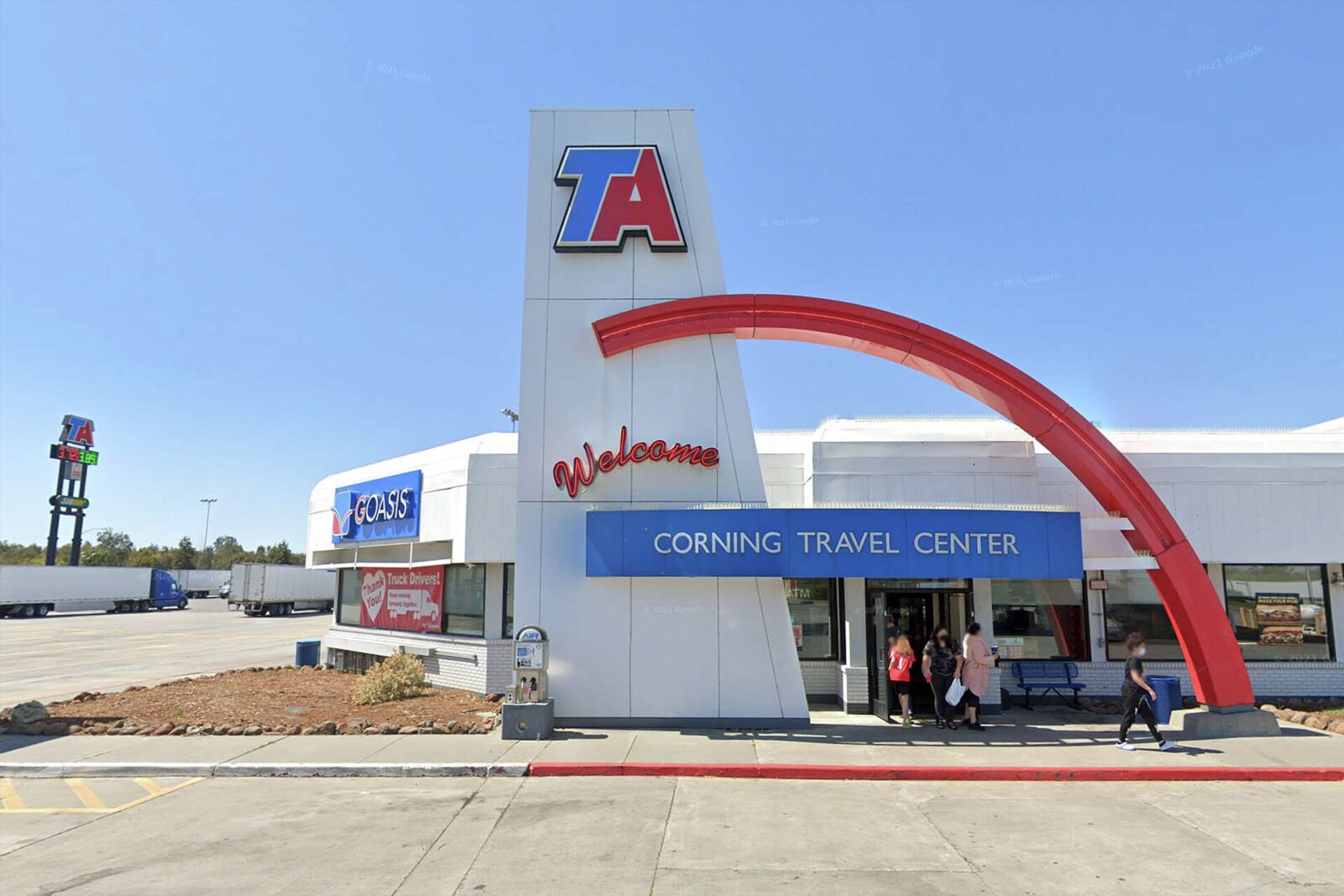
A Travel center plays a far more important role in modern transportation than most people realize. It is not just a roadside stop for fuel; it is a complete support system designed for drivers, travelers, and commercial transport operators who spend long hours on the road. These centers combine fuel services, rest facilities, food options, vehicle maintenance support, and safety essentials under one roof, making long-distance travel more manageable, efficient, and secure.
As transportation networks expand and road travel becomes increasingly essential for commerce and personal mobility, the demand for well-equipped travel hubs has grown significantly. Drivers, especially truck operators and long-route travelers, rely heavily on these centers to rest, refuel, and restore both themselves and their vehicles. Without them, long journeys would become more exhausting, unsafe, and inefficient.
Understanding how these facilities operate and why they are so important helps highlight their contribution to road safety, logistics efficiency, and traveler comfort. Whether someone is driving a personal vehicle across states or managing a heavy-duty freight truck, these centers provide essential services that keep journeys smooth and uninterrupted.
The Evolution of Roadside Support Systems
In earlier times, roadside stops were simple fuel stations with minimal facilities. Travelers had limited options for rest, food, or vehicle maintenance. Over time, as traffic increased and long-distance transportation became more common, the need for more comprehensive service areas grew. This led to the development of modern roadside hubs that offer a wide range of services beyond fuel.
Today, a fully developed travel hub is designed to accommodate both individual travelers and commercial drivers. These facilities include large parking areas, clean restrooms, convenience stores, repair services, and dining options. The goal is to reduce travel fatigue, improve safety, and ensure that both drivers and vehicles remain in good condition throughout long journeys.
Essential Services Offered at Modern Travel Facilities
Modern roadside service areas are designed to meet a wide variety of needs. One of the most important services is fuel provision. These centers typically offer multiple fuel types, including diesel for heavy trucks and gasoline for passenger vehicles. Fuel quality and availability are maintained at high standards to ensure consistent vehicle performance.
In addition to fueling, many centers provide vehicle maintenance services such as tire checks, oil changes, and minor mechanical repairs. This is particularly important for long-haul drivers who may experience unexpected issues during their journey. Having access to quick mechanical assistance reduces downtime and prevents small problems from turning into major breakdowns.
Food and beverage services are another essential component. Restaurants, cafes, and convenience stores inside these facilities offer travelers access to fresh meals, snacks, and drinks. This helps drivers maintain energy levels and avoid fatigue during long trips.
Rest areas are equally important. Comfortable seating, clean restrooms, showers, and sometimes even sleeping facilities allow drivers to rest properly before continuing their journey. Proper rest is critical for road safety, as fatigue is one of the leading causes of accidents on highways.
Why Roadside Service Centers Are Essential for Safety
Road safety is directly linked to driver alertness and vehicle condition. Long hours of continuous driving can lead to exhaustion, reducing reaction times and decision-making ability. This is especially dangerous for commercial truck drivers who operate large vehicles under heavy loads.
A well-designed Travel center provides a safe environment where drivers can take breaks, rest, and recover. These breaks are not just optional they are necessary for preventing accidents caused by fatigue. Studies have shown that rested drivers are significantly less likely to be involved in collisions compared to tired drivers.
Vehicle safety is also improved through regular inspections and maintenance services available at these centers. Issues such as low tire pressure, brake wear, or engine overheating can be identified early and corrected before they lead to serious accidents. This proactive approach ensures that vehicles remain safe for continued travel.
Lighting, security systems, and surveillance cameras also contribute to safety within these facilities. Drivers can park their vehicles with confidence, knowing that both personal safety and cargo security are being monitored.
Supporting Long-Distance Trucking Operations
Commercial trucking is one of the most demanding industries in transportation. Drivers often travel thousands of kilometers across different regions, delivering goods under strict deadlines. For these professionals, roadside service hubs are not just convenient—they are essential.
A single breakdown or delay can disrupt entire supply chains, affecting businesses and customers alike. That is why trucking companies rely heavily on well-equipped service networks. These facilities allow drivers to refuel, rest, and perform necessary maintenance without deviating significantly from their routes.
The availability of parking space for large trucks is another critical factor. Properly designed layouts ensure that heavy vehicles can maneuver safely without congestion or risk of damage. Many centers also offer dedicated truck lanes, weigh stations, and logistics support services.
By integrating these features, a Travel center becomes a vital part of the logistics ecosystem, ensuring that goods are delivered efficiently and on time.
Enhancing Driver Comfort and Reducing Fatigue
Driver comfort is a major factor in long-distance travel efficiency. Continuous driving without adequate breaks leads to physical and mental fatigue, which can severely impact performance. Modern roadside facilities are designed to address this issue by providing comfortable and accessible amenities.
Rest areas with clean sleeping quarters, showers, and relaxation spaces allow drivers to recover during long trips. Access to nutritious food and beverages helps maintain energy levels and concentration. Even small comforts, such as Wi-Fi access and entertainment options, contribute to reducing stress during travel.
A well-maintained Travel center plays an important role in ensuring that drivers remain alert and comfortable throughout their journey. By offering a space to rest and recharge, these facilities help reduce the physical strain associated with long hours on the road.
Economic Impact on Transportation and Trade
The economic importance of roadside service networks extends beyond individual convenience. These centers support the entire transportation industry, which is a key driver of global trade and commerce. Efficient logistics systems depend on reliable infrastructure that supports both vehicles and drivers.
By reducing downtime and improving travel efficiency, these hubs help businesses save time and money. Faster deliveries mean better customer satisfaction and improved supply chain performance. This has a direct impact on economic growth and productivity.
Employment opportunities are also created through these facilities. From fuel attendants and mechanics to food service workers and security personnel, a wide range of jobs are supported by the operation of travel hubs. This contributes to local and regional economic development.
Technological Advancements in Modern Travel Hubs
Technology has significantly improved the functionality of modern roadside service centers. Digital payment systems, automated fuel dispensers, and real-time traffic updates are now common features. These innovations make services faster, more efficient, and more user-friendly.
Mobile applications allow travelers to locate nearby facilities, check fuel prices, and plan stops in advance. Some systems even provide predictive maintenance alerts for vehicles, helping drivers avoid unexpected breakdowns.
Fleet management integration is another important advancement. Logistics companies can monitor vehicle locations, fuel usage, and driver rest schedules in real time. This level of control improves efficiency and reduces operational risks.
Environmental Considerations and Sustainability
Modern transportation infrastructure is increasingly focused on sustainability. Many roadside facilities are adopting eco-friendly practices such as energy-efficient lighting, solar power integration, and water conservation systems. These efforts help reduce environmental impact while maintaining service quality.
Waste management systems are also being improved to ensure proper disposal and recycling of materials. Electric vehicle charging stations are becoming more common, supporting the transition toward cleaner transportation technologies.
A forward-thinking Travel center contributes to environmental sustainability by promoting responsible energy use and reducing overall emissions associated with long-distance travel.
Challenges Faced by Roadside Service Infrastructure
Despite their importance, these facilities face several challenges. High operational costs, maintenance requirements, and fluctuating fuel prices can affect service quality. Additionally, managing large volumes of traffic during peak travel periods can lead to congestion and delays.
Security is another concern, especially in remote areas. Ensuring the safety of travelers, vehicles, and cargo requires continuous monitoring and investment in surveillance systems.
Weather conditions also impact operations. Extreme heat, heavy rain, or snow can disrupt services and increase maintenance demands. Addressing these challenges requires constant planning, investment, and technological upgrades.
The Future of Roadside Travel Support Systems
The future of roadside infrastructure is expected to be more advanced, efficient, and environmentally friendly. Automation, artificial intelligence, and smart logistics systems will continue to shape how these centers operate.
Electric vehicle support will become a standard feature, with expanded charging networks and faster charging technology. Autonomous vehicle integration may also change how rest and refueling systems are designed.
A modern travel center will likely evolve into a fully connected smart hub, offering predictive services, automated maintenance alerts, and real-time travel optimization tools. This evolution will further enhance safety, efficiency, and convenience for all road users.
Conclusion
Roadside service hubs are an essential part of modern transportation systems. They provide critical support for drivers, vehicles, and logistics operations, ensuring that long-distance travel remains safe, efficient, and comfortable. From fueling and maintenance to rest and food services, these facilities play a comprehensive role in supporting road travel.
As transportation demands continue to grow, the importance of well-developed service networks will only increase. Investing in advanced infrastructure, technology, and sustainability will be key to meeting future needs.
Ultimately, a reliable Travel center is not just a stop along the road—it is a vital component of the entire transportation ecosystem, ensuring that journeys continue smoothly, safely, and efficiently across long distances.
