
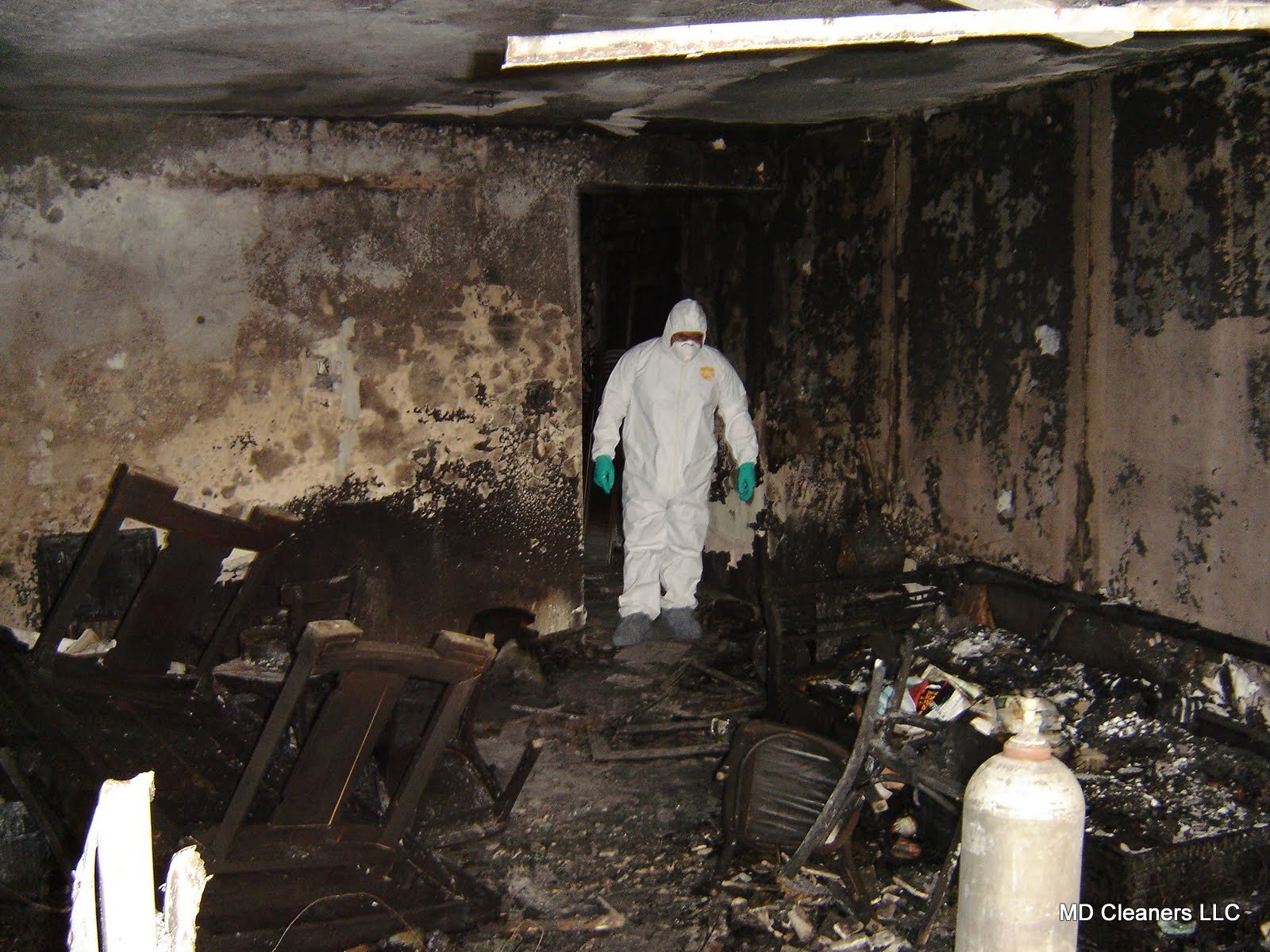
Understanding the Long-Term Impact of Fire Damage on Properties
Fire incidents are among the most destructive events that can occur in residential or commercial properties. Beyond the immediate visual destruction caused by flames, fire leaves behind a complex mix of structural weakening, smoke contamination, soot accumulation, and water damage from firefighting efforts. Many property owners assume that once the fire is extinguished, the situation is under control, but in reality, the aftermath is often more complicated and long-lasting than the fire itself. Walls, ceilings, flooring, electrical systems, and even hidden structural elements can suffer severe damage that is not always visible at first glance. This is why a proper recovery plan is essential to restore safety, functionality, and livability.
The aftermath of fire exposure also creates serious health concerns. Smoke particles penetrate deep into walls, furniture, fabrics, and ventilation systems, making indoor air unsafe for extended periods if not properly treated. Additionally, soot contains toxic substances that can irritate the respiratory system and worsen existing health conditions such as asthma or allergies. Without proper cleanup and restoration, these harmful residues continue to affect indoor environments long after the fire has been extinguished.
Structural Weakness and Hidden Building Damage
One of the most overlooked consequences of fire damage is the weakening of a building’s structural integrity. High temperatures can compromise the strength of concrete, steel, and wooden support systems. Even if a structure appears stable on the surface, internal components may have lost their load-bearing capacity. This creates potential safety risks for occupants, especially in multi-story buildings where stability is critical.
Cracks in walls, warped flooring, and damaged roofing materials often indicate deeper structural issues that require immediate professional evaluation. Electrical wiring systems may also be compromised due to heat exposure, increasing the risk of short circuits or electrical fires in the future. Water used to extinguish flames can further worsen the situation by soaking materials and promoting mold growth if not properly dried and treated.
Smoke and Soot Contamination Challenges
Smoke damage is one of the most persistent issues following a fire incident. Unlike visible fire damage, smoke particles spread throughout the entire property, settling into hidden areas such as air ducts, insulation, and behind walls. These particles carry strong odors and toxic chemicals that are difficult to eliminate without specialized equipment.
Soot, a black residue left behind after incomplete combustion, can stain surfaces permanently if not cleaned correctly. It is acidic in nature and can corrode materials like metal, glass, and painted surfaces over time. Attempting to clean soot without proper techniques often leads to further smearing and deeper penetration into surfaces, making restoration even more difficult.
This is where professional expertise becomes essential, as specialized cleaning methods and equipment are required to fully eliminate contamination and restore indoor air quality.
Water Damage After Fire Extinguishing Efforts
Although water is essential for controlling fires, it often creates additional damage during the process. Large volumes of water used by firefighters can saturate flooring, furniture, drywall, and insulation. If not addressed quickly, this moisture can lead to mold growth, material decay, and structural weakening.
Water damage also affects electrical systems, increasing the risk of future hazards if wiring becomes corroded or short-circuited. Proper drying techniques, including industrial dehumidifiers and air movers, are necessary to ensure that all moisture is removed from affected areas. Delaying this process can significantly increase restoration costs and reduce the chances of full recovery.
Importance of Professional Assessment and Inspection
After a fire incident, one of the first steps in the recovery process is a detailed inspection of the entire property. Professionals assess structural damage, identify safety hazards, and determine the extent of smoke, soot, and water contamination. This evaluation is critical for developing an effective restoration plan that ensures all issues are addressed systematically.
Attempting to handle fire damage without expert guidance can result in overlooked problems that may worsen over time. Certified restoration specialists are trained to detect hidden damage that is not visible to the untrained eye, ensuring that the property is restored safely and efficiently.
The Role of Cleaning and Decontamination Processes
Deep cleaning is a major part of the restoration process following fire damage. This includes removing soot from surfaces, deodorizing affected areas, and sanitizing all spaces to eliminate harmful residues. Specialized cleaning agents and equipment are used to ensure that contaminants are fully removed without causing further damage to materials.
Air purification systems are also commonly used to improve indoor air quality by filtering out smoke particles and odors. In many cases, furniture, clothing, and personal belongings can be restored through advanced cleaning techniques, reducing overall loss and helping property owners recover more effectively.
Electrical and Mechanical System Restoration
Fire incidents often damage electrical and mechanical systems within a property. Wiring, circuit breakers, HVAC systems, and appliances may all be affected by heat, smoke, or water exposure. These systems require thorough inspection before being reactivated to prevent safety risks.
In many cases, rewiring or complete replacement of damaged systems is necessary to ensure compliance with safety standards. HVAC systems, in particular, must be cleaned thoroughly to prevent smoke particles from circulating throughout the building after restoration.Time plays a critical role in minimizing fire damage. The longer a property remains untreated after a fire, the greater the risk of secondary damage such as mold growth, corrosion, and permanent staining. Quick response helps preserve salvageable materials and reduces overall restoration costs.
This is why professional fire damage restoration services are essential immediately after a fire incident. Prompt action ensures that damage is contained, cleaned, and repaired before it worsens, allowing property owners to regain use of their space more quickly and safely.
Odor Removal and Air Quality Improvement
One of the most challenging aspects of fire recovery is eliminating persistent smoke odors. These odors can linger for months or even years if not properly treated. Traditional cleaning methods are often ineffective because smoke particles penetrate deep into porous materials.
Advanced deodorization techniques such as thermal fogging, ozone treatment, and hydroxyl generation are used to neutralize odors at a molecular level. Improving air quality is essential not only for comfort but also for health, as prolonged exposure to smoke residues can cause respiratory irritation.Many items affected by fire, including furniture, clothing, documents, and electronics, can often be restored depending on the level of damage. Specialized restoration techniques such as ultrasonic cleaning, dry cleaning, and content recovery processes help salvage valuable belongings.
Electronics may require component-level cleaning and testing before they can be safely reused. In some cases, digital recovery methods can also be used to retrieve important data from damaged devices. Proper handling of personal belongings helps reduce emotional and financial loss for property owners.
Insurance Claims and Documentation Process
After a fire incident, proper documentation is essential for insurance claims. Detailed records of damage, photographs, and professional assessment reports help streamline the claims process. Insurance companies typically require evidence of loss and repair estimates before approving compensation.
Working with experienced restoration professionals can simplify this process, as they often assist in preparing documentation and communicating with insurance providers. This ensures that property owners receive fair compensation and can begin restoration without unnecessary delays.Safety is a top priority during the restoration process. Fire-damaged structures may contain unstable surfaces, exposed wiring, and hazardous materials. Only trained professionals should enter heavily damaged areas without proper protective equipment.
In addition, air quality must be continuously monitored to ensure that harmful particles are not present in the environment. Restoration teams follow strict safety protocols to protect both workers and property occupants during the entire process.
Modern Techniques in Fire Recovery
Advancements in restoration technology have significantly improved the efficiency and effectiveness of fire recovery processes. Thermal imaging cameras, moisture detection tools, and air quality monitors allow professionals to assess damage with greater accuracy.
Modern equipment also enables faster drying, cleaning, and deodorization, reducing overall restoration time. These innovations have transformed the industry, making recovery more reliable and less disruptive for property owners.While restoration is essential after a fire, prevention remains the most effective strategy. Regular electrical inspections, proper maintenance of appliances, and safe storage of flammable materials can significantly reduce fire risks.
Installing smoke detectors, fire alarms, and sprinkler systems provides early warning and minimizes potential damage. Educating occupants about fire safety practices also plays a crucial role in prevention.
Conclusion
Fire incidents can have devastating effects on both property and personal well-being. The damage extends far beyond what is visible, affecting structural integrity, indoor air quality, electrical systems, and personal belongings. Effective recovery requires a systematic approach that includes inspection, cleaning, repair, and long-term safety improvements.
Professional fire damage restoration services play a vital role in ensuring that properties are safely and efficiently restored to their original condition. By addressing both visible and hidden damage, these services help property owners recover faster and with greater confidence.
Ultimately, successful recovery depends on timely action, professional expertise, and a commitment to safety. With the right approach, it is possible to rebuild and restore not just the physical structure, but also peace of mind after a fire incident.
