
Introduction to an Interactive Dining Concept
Modern dining culture has moved far beyond simple meals and basic restaurant service, evolving into immersive experiences where food, service, and atmosphere all play an equal role in customer satisfaction. One of the most distinctive examples of this evolution is the concept commonly known as a brazilian steakhouse, which focuses on continuous service of fire-grilled meats in a highly interactive format. This dining style is designed to offer abundance, variety, and engagement, allowing guests to enjoy multiple cuts of meat served directly at the table without ordering each item individually. The experience is built around hospitality and celebration, making it popular for gatherings and special occasions. The atmosphere is usually lively, with an emphasis on movement, service, and visual appeal. Guests are not passive consumers but active participants in their dining experience. This format has gained international attention for its uniqueness and entertainment value. It combines traditional grilling techniques with modern restaurant service systems. A Brazilian steakhouse creates a dining environment where food becomes a continuous experience rather than a single plated meal.
Historical Origins and Cultural Background
The roots of this dining style are deeply connected to ranching traditions in South America, where cattle herding was a central part of rural life. Gauchos, or traditional horsemen, developed methods of slow-cooking meat over open flames during long journeys. This simple approach relied on natural flavors, coarse salt, and fire rather than complex seasoning techniques. Over time, this rustic cooking method evolved into a structured restaurant concept that preserved its cultural essence while adapting to modern expectations. A Brazilian steakhouse reflects this heritage by maintaining fire-roasted preparation methods and emphasizing high-quality meat cuts. The tradition of communal eating and sharing large portions also remains central to the experience. It is not just a culinary method but a reflection of cultural identity and hospitality. This historical background gives depth and authenticity to the modern dining format. It connects present-day restaurants with centuries-old cooking traditions.
Rodízio Service Model and Dining Flow
The most defining feature of this dining experience is the rodízio service system, which allows continuous table-side serving of various meats until guests decide to stop. In this system, waiters move through the dining area carrying skewers of freshly grilled meat and serve portions directly onto the plate. This creates a seamless flow of food without the need for repeated ordering. A Brazilian steakhouse uses this model to ensure variety, efficiency, and guest satisfaction in one structured system. Diners typically use a small signaling card or token to indicate whether they want more food or a temporary pause. This interactive system gives guests full control over their dining pace. It also allows them to sample multiple cuts of meat in a single sitting. The rodízio model enhances engagement and eliminates waiting time between dishes. This continuous service structure is one of the key reasons for its global popularity.
Meat Selection and Cooking Techniques
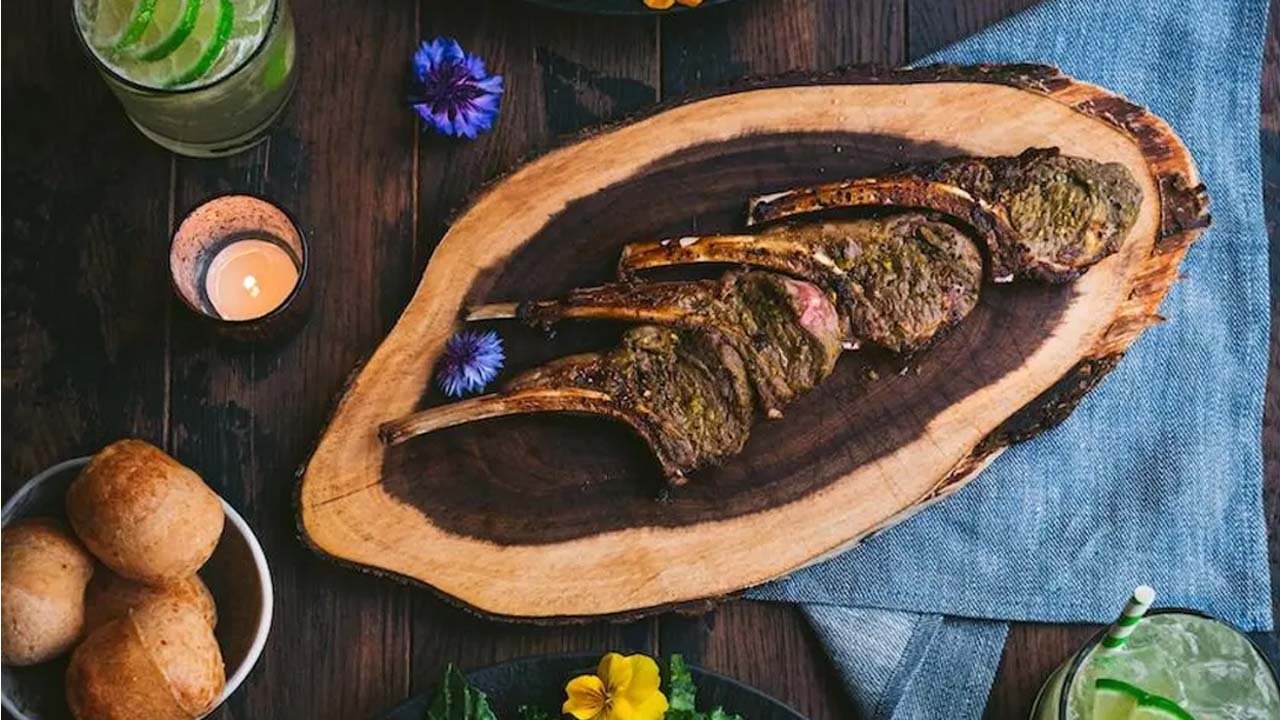
A central attraction of this dining style is the wide variety of meats prepared using traditional grilling techniques. Popular cuts include picanha, beef ribs, sirloin, lamb, chicken, and pork, each prepared with attention to texture and flavor. The seasoning is usually minimal, often just salt, to highlight the natural quality of the meat. Cooking is done over open flames or specialized grills that allow slow roasting and even heat distribution. In a Brazilian steakhouse, chefs carefully monitor temperature and timing to achieve optimal results. The outer layer of the meat is lightly caramelized while the inside remains juicy and tender. This balance of crisp exterior and soft interior is a signature characteristic of the style. Guests are encouraged to try different cuts throughout their meal, creating a dynamic tasting experience. The focus remains on simplicity, quality, and authenticity.
Ambience and Interior Design Experience
The environment plays a major role in shaping the overall dining experience, with interiors designed to reflect warmth, comfort, and cultural influence. Wooden textures, soft lighting, and open seating layouts are commonly used to create a welcoming atmosphere. A brazilian steakhouse often emphasizes spacious design to accommodate continuous movement of service staff. The goal is to maintain a balance between elegance and liveliness. Decorative elements may reflect traditional grilling culture while still maintaining a modern aesthetic. Background music and ambient lighting enhance the overall mood. The design encourages social interaction and shared dining experiences. Every detail contributes to a sense of celebration and hospitality. This carefully crafted environment enhances both comfort and enjoyment.
Customer Control and Dining Flexibility
A unique feature of this dining model is the level of control it gives to customers during their meal. Guests can easily regulate the flow of food using simple visual signals. This allows them to pause or continue service based on appetite and preference. In a Brazilian steakhouse, this system ensures a highly personalized dining experience. Customers are free to explore different meat options without pressure or limitation. It encourages experimentation with flavors and cuts while maintaining comfort. Service staff are trained to respond quickly and respectfully to guest signals. This interaction between customer and server creates a smooth and flexible dining process. The system enhances satisfaction and reduces unnecessary waste.
Global Expansion and Modern Adaptation
Over time, this dining style has expanded globally and adapted to various culinary cultures. Restaurants in different regions have adopted the concept while adding local influences and side dishes. A brazilian steakhouse is now recognized as an international dining trend that blends tradition with innovation. Many modern establishments enhance the experience with salad bars, seafood options, and fusion-inspired dishes. Despite these adaptations, the core concept of continuous meat service remains unchanged. Its popularity continues to grow due to its unique and engaging nature. The format appeals to people seeking both variety and entertainment in dining. This global expansion highlights the adaptability of traditional culinary practices. It has become a symbol of cultural exchange in the food industry.
Culinary Expertise and Quality Standards
Maintaining high-quality standards is essential for delivering a consistent dining experience. Skilled chefs and grill masters play a crucial role in selecting, preparing, and serving meats. In a Brazilian steakhouse, precision in cooking time, temperature control, and seasoning is critical. Hygiene and food safety standards are strictly followed to ensure customer well-being. Staff undergo continuous training to maintain service quality and efficiency. The focus on detail ensures that each serving meets high expectations. Culinary expertise is combined with traditional techniques to create consistent results. Every dish reflects professionalism and craftsmanship. This commitment to quality is key to long-term success in the industry.
Social and Cultural Importance of Shared Dining
Beyond food, this dining concept plays a significant role in social interaction and cultural expression. It encourages group participation, conversation, and shared enjoyment of meals. A Brazilian steakhouse often serves as a venue for celebrations, family gatherings, and business meetings. The communal style of dining strengthens relationships and creates memorable experiences. Food becomes a shared activity rather than an individual task. The lively environment promotes connection and engagement among guests. This cultural aspect contributes greatly to its popularity worldwide. It transforms dining into a social event rather than just consumption. The experience fosters a sense of community and enjoyment.
Conclusion: A Lasting Global Dining Tradition
In conclusion, this unique dining style represents a successful fusion of tradition, culture, and modern hospitality. It continues to evolve while maintaining its original identity rooted in fire-grilled cooking methods. A Brazilian steakhouse offers a complete experience that combines food, service, and atmosphere in a continuous flow. Its emphasis on variety, interaction, and quality makes it a standout concept in global dining culture. As culinary trends continue to change, this style remains relevant due to its simplicity and uniqueness. It bridges cultural heritage with modern expectations in a seamless way. The popularity of this dining experience continues to grow, making it an important part of contemporary restaurant culture worldwide.
