
Introduction
Modern architecture is no longer defined solely by aesthetics or structural innovation. Today, architects, builders, and property owners prioritize energy efficiency, occupant comfort, environmental responsibility, and long-term building performance alongside attractive design. As building codes evolve and sustainability becomes a greater focus, insulation has emerged as one of the most essential components of modern construction. A properly insulated building consumes less energy, maintains consistent indoor temperatures, reduces noise pollution, and contributes to healthier indoor environments. Whether used in residential homes, commercial offices, educational facilities, or industrial buildings, insulation plays a critical role in creating structures that are efficient, durable, and environmentally responsible. Understanding how insulation supports modern architecture helps homeowners, designers, and developers make informed decisions that improve building performance while reducing operating costs for decades.
Understanding Building Insulation
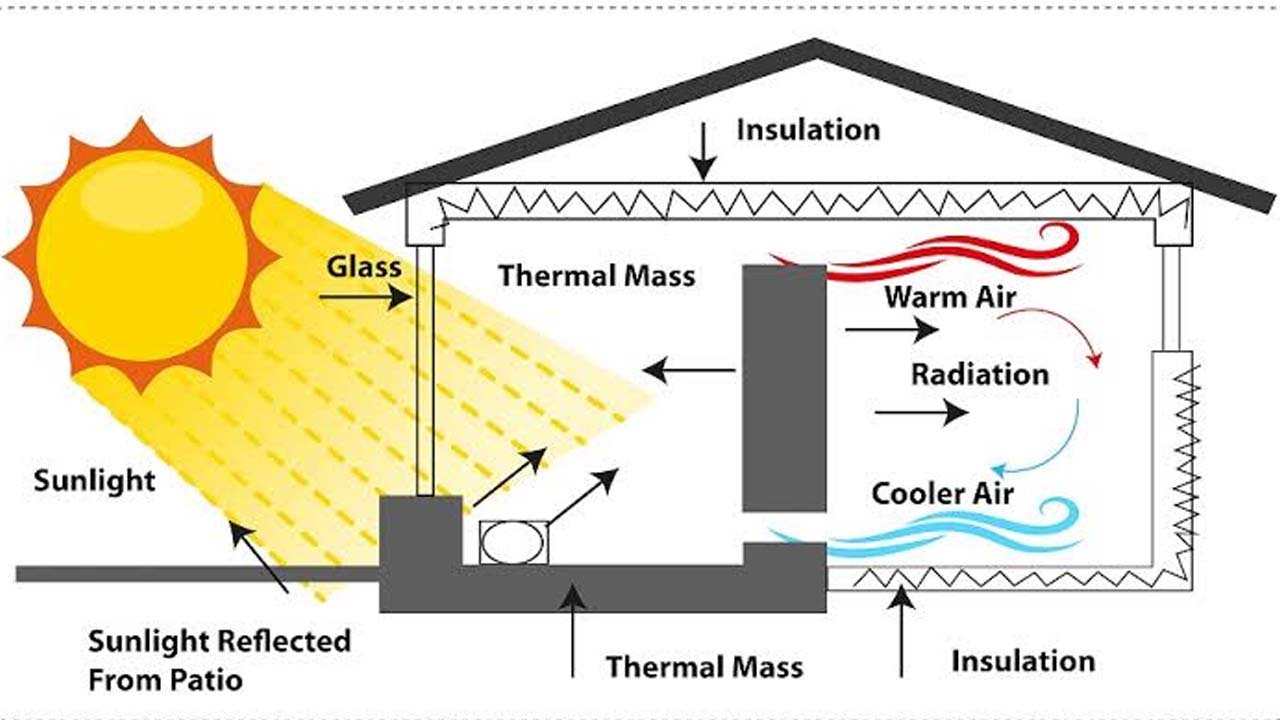
Insulation is a material or system designed to reduce the transfer of heat between the interior and exterior of a building. By slowing heat movement during both summer and winter, insulation helps maintain comfortable indoor temperatures while reducing the workload placed on heating and cooling systems.
Modern insulation products are available in several forms, including fiberglass batts, spray foam, rigid foam boards, cellulose, mineral wool, and reflective insulation. Each material offers unique advantages depending on the building’s design, climate, and energy efficiency goals.
Proper installation is equally important because even high-quality insulation cannot perform effectively if gaps, compression, or air leaks reduce its ability to create a continuous thermal barrier.
Why Insulation Is Essential in Modern Architecture
Modern buildings are designed to achieve higher levels of energy efficiency than ever before. Advanced windows, airtight construction, efficient HVAC systems, and sustainable materials all work together to minimize energy consumption. Insulation serves as the foundation that allows these systems to perform at their highest potential.
Without adequate insulation, heated or cooled air escapes through walls, ceilings, floors, and roofs, forcing HVAC equipment to operate longer and consume more energy. Proper insulation reduces these losses, allowing buildings to maintain stable indoor temperatures with less energy use.
As architects increasingly focus on sustainable building practices, insulation remains one of the most cost-effective methods of improving overall building performance.
Improving Energy Efficiency
Energy efficiency is perhaps the greatest benefit provided by modern insulation systems. Buildings with effective insulation require less heating during cold weather and less air conditioning during warm seasons because indoor temperatures remain more stable.
Reducing heat transfer decreases energy demand throughout the year, resulting in lower utility bills and reduced environmental impact. Homeowners and commercial property owners often experience significant long-term savings because heating and cooling systems operate more efficiently when insulation performs properly.
Improved energy efficiency also contributes to national sustainability goals by reducing overall energy consumption and lowering greenhouse gas emissions.
Enhancing Indoor Comfort
Comfort is one of the primary goals of every well-designed building. Proper insulation eliminates many of the temperature fluctuations that commonly occur in poorly insulated structures.
Rooms remain warmer during winter and cooler during summer, creating a more comfortable indoor environment regardless of changing outdoor conditions. Occupants experience fewer drafts, reduced cold spots near exterior walls, and more consistent temperatures throughout the building.
This improved comfort enhances everyday living while increasing occupant satisfaction in both residential and commercial spaces.
Reducing Heating and Cooling Costs
Heating and cooling represent one of the largest operating expenses for most buildings. Poor insulation allows conditioned air to escape, increasing HVAC operating time and raising monthly utility costs.
By minimizing heat transfer, insulation allows heating and cooling systems to operate more efficiently. Equipment cycles less frequently, reducing energy consumption while extending the lifespan of HVAC components.
Over time, the savings generated through lower utility bills often exceed the initial investment in quality insulation.
Supporting Sustainable Construction
Sustainability has become a defining principle of modern architecture. Designers seek building solutions that reduce environmental impact while maximizing long-term efficiency.
Insulation contributes directly to sustainable construction by lowering energy demand, reducing carbon emissions, and supporting environmentally responsible building certifications. Many insulation products are manufactured using recycled or renewable materials, further reducing environmental impact.
Buildings that consume less energy help conserve natural resources while creating healthier communities for future generations.
Improving Acoustic Performance
Modern architecture increasingly emphasizes indoor comfort beyond temperature control. Noise reduction has become an important consideration in homes, offices, schools, healthcare facilities, and multi-family housing.
Many insulation materials provide excellent sound absorption in addition to thermal performance. Properly insulated walls, ceilings, and floors reduce the transmission of airborne noise between rooms and from outdoor sources.
Improved acoustic comfort creates quieter living and working environments that support productivity, relaxation, and overall well-being.
Controlling Moisture and Condensation
Moisture management is essential for preserving building durability. Temperature differences between indoor and outdoor environments often create condensation inside wall cavities or attic spaces if insulation is inadequate.
Modern insulation helps maintain more consistent surface temperatures, reducing condensation that could otherwise lead to mold growth, wood deterioration, corrosion, or insulation damage.
Combined with proper ventilation and moisture barriers, insulation supports healthier indoor air quality while protecting structural components from long-term moisture-related damage.
Extending Building Lifespan
Buildings designed with high-quality insulation often experience less structural stress caused by repeated temperature fluctuations. Stable interior conditions reduce expansion and contraction of building materials, helping preserve walls, ceilings, roofing systems, and flooring.
Lower moisture levels also reduce the likelihood of rot, mold, and corrosion that can weaken structural components over time.
By protecting both the building envelope and interior systems, insulation contributes significantly to long-term building durability and lower maintenance costs.
Increasing Property Value
Energy-efficient buildings are increasingly attractive to buyers and investors. Homes and commercial properties with modern insulation often command greater market interest because they promise lower operating costs, improved comfort, and better environmental performance.
Buyers recognize the value of buildings designed to minimize energy expenses while providing year-round comfort. High-performance insulation therefore becomes an investment that supports stronger resale value and greater long-term financial returns.
Supporting Modern Building Technologies
Modern architecture incorporates advanced technologies that improve efficiency and sustainability, including high-performance windows, smart climate control systems, energy-efficient HVAC equipment, and renewable energy solutions. Insulation allows these technologies to perform at their full potential by reducing heat transfer and maintaining consistent indoor temperatures. When all components of the building envelope work together, the structure operates more efficiently while providing greater comfort and lower operating costs.
Different Types of Insulation Materials
Modern construction offers a variety of insulation materials designed for different applications. Fiberglass insulation remains one of the most commonly used options because it provides reliable thermal performance at a reasonable cost. Spray foam insulation creates an excellent air seal that minimizes drafts and improves energy efficiency. Cellulose insulation, often made from recycled paper products, offers environmentally friendly performance while reducing heat transfer. Mineral wool provides outstanding fire resistance and sound absorption, making it suitable for many residential and commercial buildings. Rigid foam boards deliver high insulating value in areas where space is limited, while reflective insulation helps reduce radiant heat gain in warmer climates.
Selecting the right insulation depends on the building design, climate, budget, and performance requirements.
Insulation and Indoor Air Quality
A comfortable building should also provide healthy indoor air. Proper insulation contributes to improved indoor air quality by reducing moisture intrusion and limiting conditions that encourage mold growth. Buildings with effective insulation experience fewer drafts that carry dust, allergens, and outdoor pollutants into living spaces.
When combined with proper ventilation systems, insulation creates a balanced indoor environment that supports healthier air circulation while maintaining comfortable humidity levels throughout the year.
Fire Safety Benefits
Many insulation materials are designed with fire-resistant properties that contribute to building safety. Mineral wool and certain fiberglass products resist high temperatures and help slow the spread of fire between structural components. While insulation alone cannot prevent fires, selecting fire-resistant materials adds another layer of protection that supports overall building safety and compliance with modern building codes.
Insulation in Residential Construction
Homeowners benefit significantly from proper insulation because it creates more comfortable living spaces while lowering monthly utility bills. Insulated attics, walls, crawl spaces, and floors help maintain stable temperatures throughout the home regardless of changing weather conditions. Bedrooms remain more comfortable, living areas experience fewer drafts, and heating and cooling systems operate more efficiently.
Modern residential architecture increasingly emphasizes energy-efficient construction, making insulation one of the most valuable long-term investments for homeowners.
Insulation in Commercial Buildings
Commercial buildings often operate for extended hours while accommodating large numbers of occupants. Heating and cooling expenses represent a significant portion of operating costs, making energy efficiency a top priority.
Proper insulation reduces energy consumption while creating comfortable work environments that support employee productivity and customer satisfaction. Office buildings, retail centers, healthcare facilities, educational institutions, and industrial buildings all benefit from improved thermal performance and lower utility expenses through effective insulation systems.
Reducing Environmental Impact
As global attention focuses on climate change and environmental responsibility, insulation continues to play an essential role in reducing building-related carbon emissions. Buildings account for a substantial portion of worldwide energy consumption, much of which is used for heating and cooling.
Improving insulation decreases overall energy demand, reducing greenhouse gas emissions associated with electricity generation and fuel consumption. This contribution supports sustainable development while helping communities move toward cleaner and more efficient building practices.
Lower Maintenance Requirements
Well-insulated buildings often experience fewer maintenance issues because structural components remain protected from excessive temperature fluctuations and moisture damage. Stable indoor conditions reduce stress on roofing systems, wall assemblies, flooring materials, and HVAC equipment.
Lower maintenance requirements allow property owners to reduce long-term operating expenses while preserving the appearance and structural integrity of their buildings.
Meeting Modern Building Standards
Building codes continue evolving to improve energy efficiency, occupant safety, and environmental performance. Modern insulation systems help builders meet or exceed these standards while ensuring long-term compliance with energy regulations.
Architects and contractors carefully evaluate insulation performance during the design process to achieve optimal thermal efficiency without compromising structural integrity or architectural creativity. Proper insulation therefore becomes an integral component of code-compliant, high-performance construction.
Choosing the Right Insulation Solution
Every building has unique performance requirements based on its location, design, construction materials, and intended use. Selecting the appropriate insulation involves evaluating thermal resistance, moisture control, sound reduction, fire performance, installation methods, and overall durability.
Professional designers and contractors assess these factors carefully before recommending insulation systems that provide the greatest long-term value. Proper installation is equally important because even premium insulation materials cannot perform effectively if air gaps or installation errors reduce their efficiency.
The Future of Insulation in Architecture
The future of architecture will continue emphasizing sustainability, resilience, and energy efficiency. Advances in insulation technology are producing materials with higher thermal performance, lower environmental impact, and improved durability. Innovative products incorporating recycled materials, bio-based resources, and advanced manufacturing techniques are helping create buildings that consume less energy while offering greater comfort and longevity.
As building science continues evolving, insulation will remain one of the most important elements supporting high-performance architecture and environmentally responsible construction.
Conclusion
Insulation has become an essential component of modern architecture because it supports nearly every aspect of building performance. From improving energy efficiency and reducing utility costs to enhancing indoor comfort, controlling moisture, reducing noise, and extending building lifespan, insulation provides benefits that continue throughout the life of the structure.
Whether used in residential homes or commercial developments, properly designed and professionally installed insulation contributes to healthier indoor environments, stronger property values, and more sustainable communities. As architects, builders, and property owners continue prioritizing efficiency and environmental responsibility, insulation will remain one of the most valuable investments in creating buildings that are comfortable, durable, and prepared for the future.
