
Shopping for children’s clothing shouldn’t feel like a full-time job, yet many parents find themselves overwhelmed by the sheer number of choices available. Between managing growth spurts that seem to happen overnight, wrestling with budget constraints, and trying to find clothes that last longer than a few washes, it’s no wonder clothing decisions can feel exhausting. What you choose for your child goes well beyond picking cute outfits. These decisions directly impact their comfort throughout the day, their growing confidence, and even how freely they can move and develop. The good news? Once you understand the key factors that make certain clothing choices smarter than others, you’ll be able to create a wardrobe that truly works for your family.
Understanding Fabric Quality and Comfort
Ever notice how some clothes feel scratchy right out of the package while others feel soft enough to wear all day? That difference comes down to fabric quality, and it matters more than you might think for your child’s daily comfort. Natural fibers, think cotton, linen, and bamboo, win the breathability contest hands down, which makes them perfect for everyday wear, especially if your child has sensitive skin that protests against certain materials. Cotton deserves its reputation as the workhorse of children’s wardrobes because it checks all the boxes: soft against skin, durable enough to survive repeated adventures, and easy to care for when life gets messy. Sure, synthetic materials like polyester and nylon have earned their spot in activewear and rain jackets, but too much synthetic fabric can leave kids feeling sticky and uncomfortable.
Sizing Strategies for Growing Children
Anyone who’s bought kids’ clothes knows that sizing feels like a guessing game designed to frustrate parents everywhere. Age, based sizing varies so wildly between brands that a size 6 in one store might fit like a size 4 or 8 in another, absolutely maddening, right? Instead of trusting those age labels, grab a measuring tape and get your child’s actual height, chest, waist, and inseam measurements written down somewhere you won’t lose them. Many experienced parents swear by buying clothes that are slightly larger than current measurements, which gives growing room without making kids look like they’re drowning in fabric. The smart strategy involves buying must-have basics in the current correct size while snagging next-season items one size up to account for inevitable growth.
Building a Versatile Capsule Wardrobe
What if your child’s closet contained fewer clothes but somehow made getting dressed easier every single morning? That’s the magic of a capsule wardrobe, which focuses on quality pieces that work together instead of random items that don’t match anything. Building this foundation starts with neutral basics, navy, gray, white, and khaki are your friends here, because these colors pair effortlessly with everything else and never look dated in photos. Every child’s capsule should include comfortable jeans or pants in two colors, basic solid t-shirts that layer well, a few button-down shirts for moments requiring extra polish, and layering pieces like cardigans or hoodies for temperature changes. This approach doesn’t just simplify hectic mornings by eliminating the “I have nothing to wear” drama; it also means your investment in better-quality pieces actually stretches across way more outfit combinations. The capsule concept really shines when you need formal attire for weddings, family portraits, or special ceremonies, situations where well-constructed boys suits and similar quality formal pieces photograph beautifully while still letting kids move comfortably. Resist the urge to pack closets with trendy pieces that’ll be “so last season” before they’re even outgrown or worn more than twice. Sticking with timeless styles and classic cuts means you’re building a wardrobe that photographs well years later, holds resale value if you go that route, and significantly reduces your family’s participation in wasteful fast fashion cycles.
Balancing Style, Function, and Safety
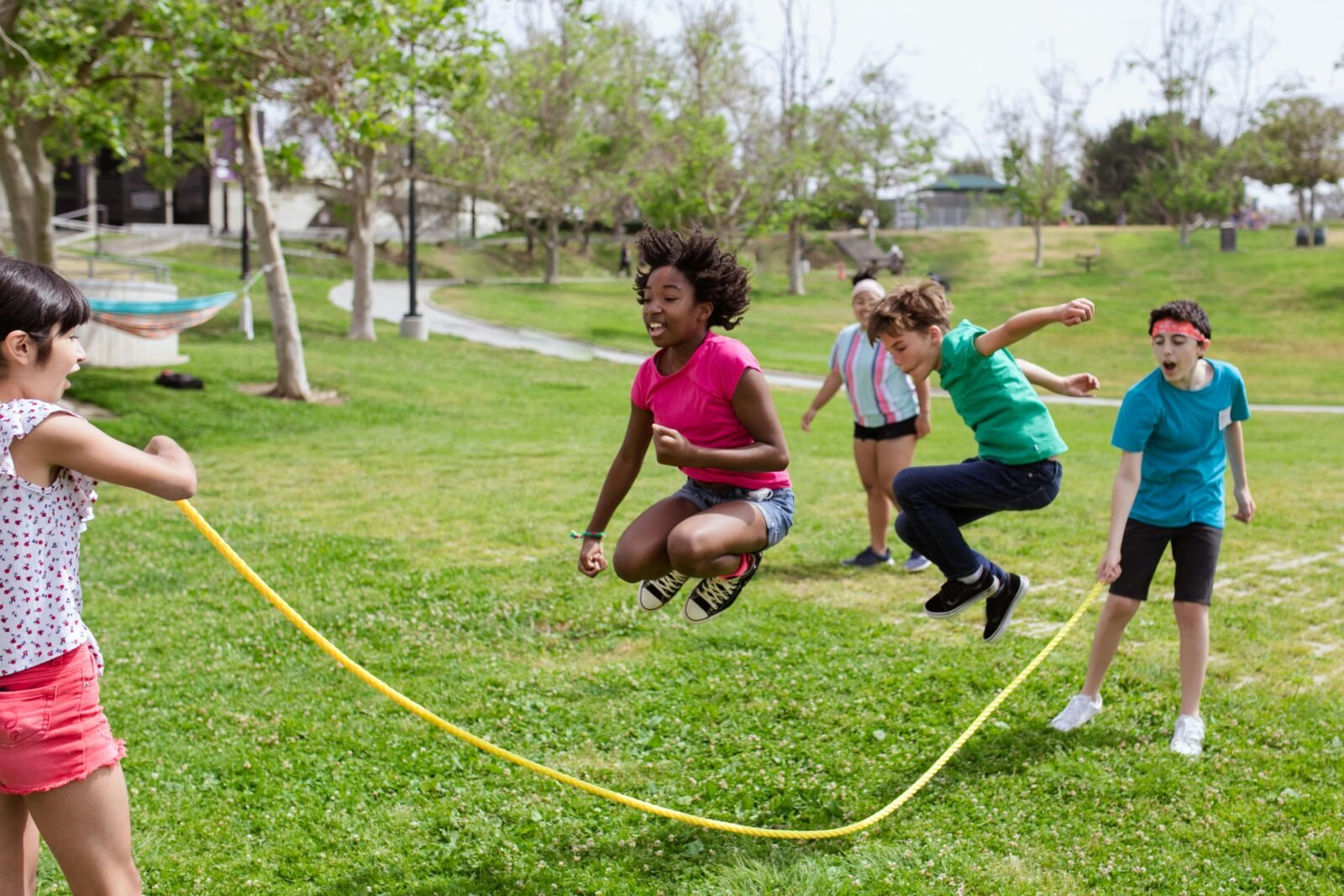
Finding clothes that look great while actually working for real childhood activities requires thinking beyond what looks cute on the hanger. Active kids need clothes with enough stretch and solid construction to handle climbing, running, tumbling, and whatever adventure comes next without splitting seams or restricting movement. Safety considerations matter more than aesthetics when you’re dealing with younger children, avoid drawstrings that pose strangulation risks, choose flame, resistant sleepwear that meets safety standards, and pick footwear that provides proper support rather than just looking trendy. Care requirements deserve serious consideration too, because that beautiful outfit requiring dry cleaning will likely sit unworn in closets where practical machine-washable options dominate.
Smart Shopping Strategies and Budget Management
Spending wisely on children’s clothing doesn’t mean sacrificing quality, it means shopping strategically so your budget stretches further without compromising what your kids wear. Shopping off-season delivers the best bang for your buck, with end-of-season clearance sales offering incredible opportunities to stock up on next year’s wardrobe at prices that make sense. Consignment stores, clothing swaps organized with other families in similar situations, and reputable online secondhand marketplaces provide amazing finds on gently used children’s clothing at a fraction of what you’d pay retail. When you do invest in brand-new items, put your money toward pieces that’ll see frequent wear and special occasion outfits that’ll be featured in photographs you’ll treasure for years.
Teaching Children About Clothing Care and Responsibility
Getting kids involved in choosing and caring for their clothes builds life skills they’ll use forever while fostering appreciation for their belongings. Age-appropriate tasks might include sorting laundry by color, folding easier items like towels and t-shirts, hanging clothes on kid-height hooks or rods, and checking pockets before items hit the washing machine. Teaching children to honestly assess whether clothes are truly dirty or just worn briefly for an hour encourages more mindful wearing habits that extend how long garments last between washes. Setting up clear expectations about changing from school clothes into play clothes before messy activities protects nicer items from unnecessary stains and damage.
Conclusion
Choosing great clothes for your children doesn’t have to be complicated when you focus on what truly matters: quality fabrics, comfortable fits, versatile styles, practical functionality, and smart budget management that accommodates their remarkable growth rates. Building a wardrobe around durable fabrics, mix-and-match pieces, and strategic sizing decisions means your kids will have appropriate clothes for various occasions throughout the year without constant shopping trips draining your wallet. Getting children involved in clothing selection and care teaches valuable skills while making garments last longer through more mindful treatment. Remember that the best approach combines practical considerations with opportunities for kids to express their developing personalities, allowing them to explore personal style while meeting the demands of their active, messy, wonderful childhoods.