
Youth sports participation offers far more than just physical exercise and competition. When children engage in athletic activities, they’re really embarking on a transformative journey that shapes who they become, builds essential life skills, and establishes foundations for lifelong health and success. From team dynamics to individual challenges, sports create a unique environment where young people can grow physically, mentally, emotionally, and socially. Understanding how athletic participation contributes to child development helps parents, coaches, and educators maximize these benefits while creating positive experiences that extend well beyond the playing field. It’s about nurturing the whole child, not just creating better athletes.
Physical Development and Health Benefits
Sports participation plays a crucial role in developing children’s physical capabilities during their formative years. Regular athletic activity strengthens muscles, improves cardiovascular health, and enhances coordination and motor skills that serve children throughout their lives. Young athletes develop better balance, agility, and spatial awareness as they practice various movements and techniques specific to their chosen sports, and these physical improvements translate into greater confidence in their bodies. Additionally, establishing active habits early in life significantly increases the likelihood that children will maintain healthy exercise routines into adulthood.
Building Mental Resilience and Focus
Athletic participation provides exceptional opportunities for developing mental toughness and concentration skills that benefit children academically and personally. Young athletes learn to maintain focus during high, pressure situations, whether they’re attempting a challenging skill or competing in important games. They experience both success and failure in safe, structured environments where they can process these emotions with guidance from coaches and parents. This exposure to manageable challenges builds resilience, teaching children that setbacks are temporary, and improvement comes through persistence and practice, lessons that prove invaluable throughout life.
Social Skills and Teamwork Development
Team sports particularly excel at teaching children how to collaborate effectively with others toward common goals. Young athletes learn to communicate clearly with teammates, understanding that success depends on collective effort rather than individual glory alone. They develop empathy and perspective-taking skills as they recognize teammates’ strengths and weaknesses and adjust their own behavior accordingly. Resolving conflicts that naturally arise during competitive situations teaches children’s negotiation and compromise skills they’ll use throughout their relationships, both on and off the field.
Emotional Intelligence and Self-Regulation
Athletic participation accelerates emotional development by exposing children to intense feelings in controlled contexts. Young athletes experience joy, frustration, disappointment, and pride regularly, learning to recognize and name these emotions accurately. They develop coping strategies for managing competitive stress and channeling nervous energy into productive focus, skills that serve them well in countless life situations. Sports teach children that emotions are natural responses but that they must regulate their expressions appropriately, particularly when officials make unfavorable calls or opponents gain advantages. This emotional self-regulation extends beyond sports, helping children manage academic pressures, social conflicts, and personal challenges more effectively. Children also learn to celebrate successes graciously and accept defeats with dignity, developing sportsmanship that reflects mature emotional intelligence. The relationship between coaches and young athletes provides additional emotional learning opportunities, as children navigate authority figures’ expectations and feedback in constructive ways that prepare them for future mentorship relationships.
Character Building and Value Formation
Sports provide concrete opportunities for children to internalize important values and ethical principles through direct experience. Young athletes learn that hard work produces results, understanding the relationship between effort and improvement in tangible ways that lectures simply can’t teach. They develop integrity as they follow rules, respect officials’ decisions, and compete honestly even when shortcuts might seem tempting. Commitment becomes meaningful as children attend practices consistently and honor obligations to teammates who depend on their participation.
Starting Young with Age, Appropriate Activities
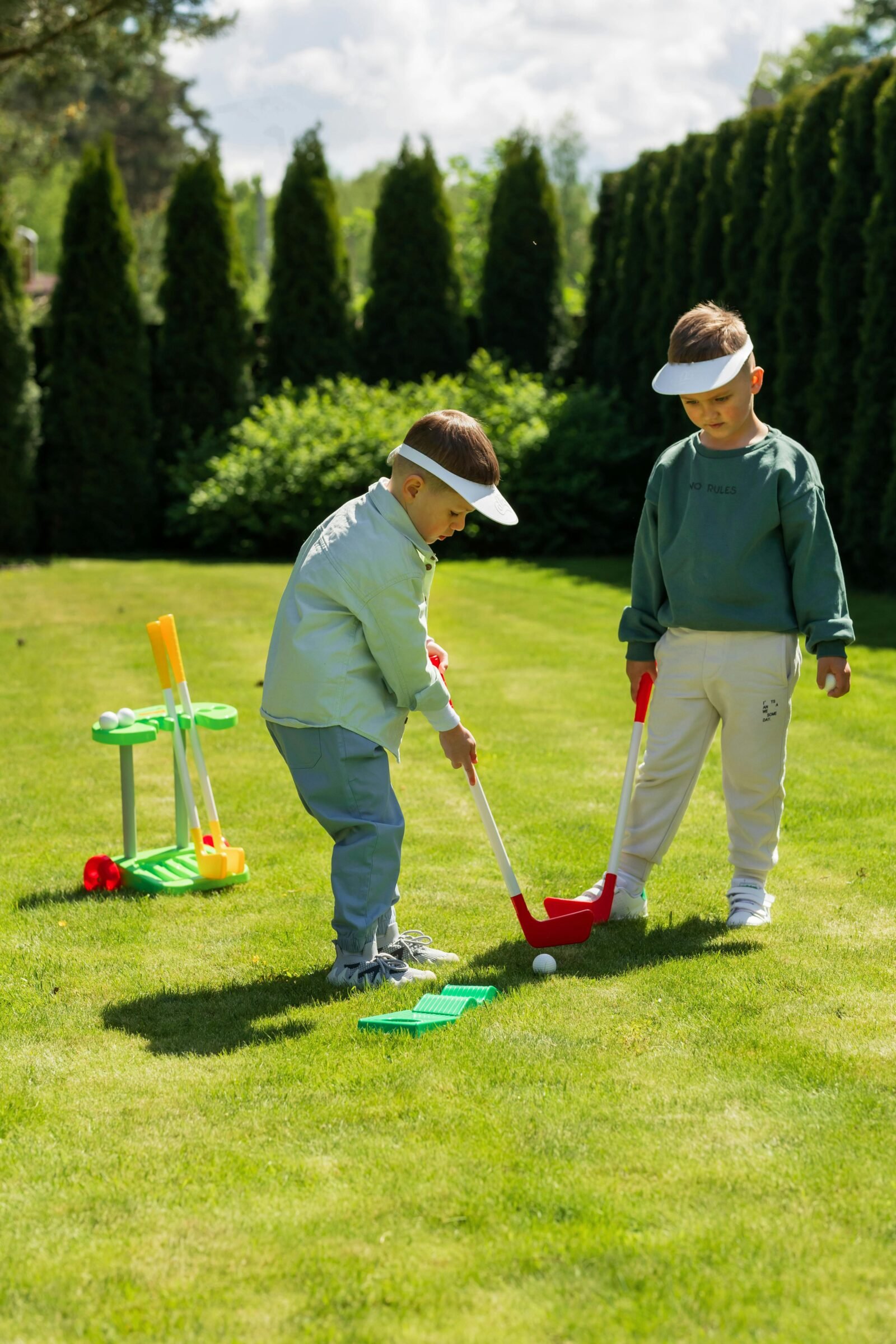
Introducing children to sports during early childhood establishes positive associations with physical activity and skill development. Age-appropriate athletic experiences for very young children focus on basic motor skills, simple rules, and fun rather than competition or complex techniques. Preschool-aged children benefit tremendously from activities that develop hand-eye coordination, balance, and spatial awareness through playful engagement, turning learning into an adventure they genuinely enjoy. When introducing young children to activities like golf, parents who use toddler golf clubs age 3-5 find that properly sized equipment makes participation more accessible and enjoyable, reducing frustration and increasing success rates. Starting sports early also helps children discover their interests and natural aptitudes across different athletic disciplines before specializing in sports. Parents should prioritize enjoyment and skill development over winning during these early years, ensuring children develop intrinsic motivation rather than external pressure. The habits formed during these introductory experiences often determine whether children continue athletic participation throughout childhood and adolescence, making these early years critical for long-term engagement.
Conclusion
Sports participation offers comprehensive developmental benefits that prepare children for success in all life areas. The physical health improvements, mental resilience, social skills, emotional intelligence, and character development gained through athletics create well-rounded individuals equipped to handle life challenges with grace and determination. By providing age-appropriate opportunities and maintaining focus on holistic development rather than competitive outcomes alone, parents and coaches maximize the transformative potential of youth sports. Investing in children’s athletic experiences today builds stronger, healthier, more confident individuals who carry these lessons forward throughout their lives, creating positive ripple effects in families, communities, and society at large. The time and energy devoted to youth sports isn’t just about the present; it’s an investment in the future.