
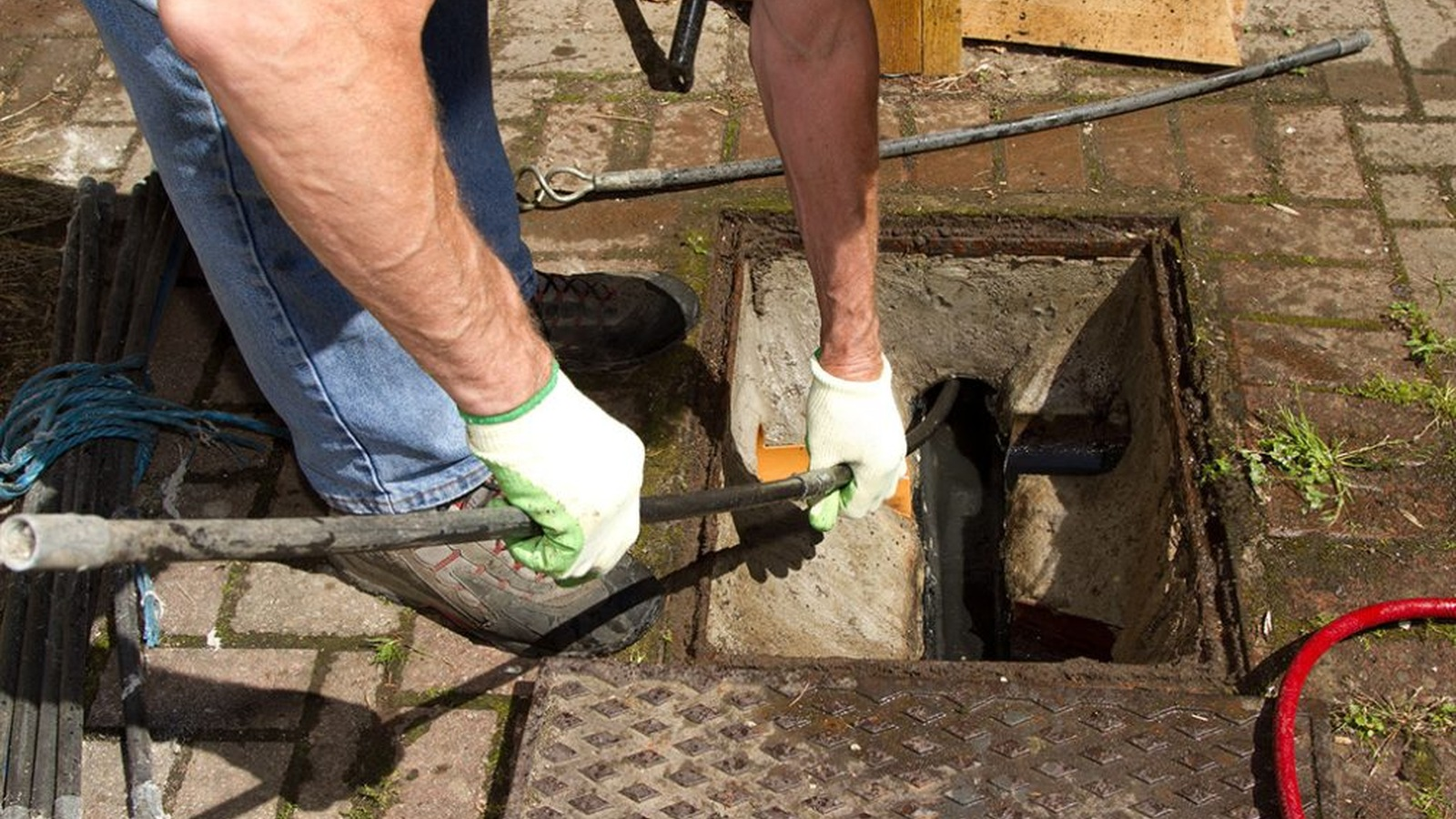
Why a rapid response should combine safe containment, accurate triage and evidence that reduces the risk of another interruption.
A blocked drain can disable the parts of a property people rely on most. In a home, toilets, sinks and washing facilities may become unusable. In a restaurant, shop, care setting or office, the same problem can affect hygiene, customer access and the ability to trade. Speed matters because every additional discharge can increase contamination and damage. Yet the fastest useful response is not simply the first van to arrive; it is a controlled process that restores essential use without losing sight of the cause.
Effective clearance has three time horizons. The first minutes are about stopping flow and protecting people. The attendance is about locating and removing the obstruction safely. The follow-up is about cleaning, inspection, repair or maintenance where recurrence is possible. Treating all three as one plan protects the building better than measuring success only by how quickly water begins to move.
Stop the System from Feeding the Blockage
Once a serious restriction is suspected, stop using connected fixtures. Tell residents, staff or customers which toilets, sinks or appliances are unavailable. A washing machine, dishwasher or bath can release a large volume and turn slow drainage into an overflow. Where practical, disable the appliance or place a clear sign rather than relying on a verbal warning.
If sewage is present, separate the area and prevent foot traffic from carrying contamination. Keep children, pets and unprotected staff away. Do not use electrical equipment near water or attempt to enter a chamber. Move clean stock or possessions only if this can be done without exposure.
These actions reduce the volume the engineer must manage and preserve a safer route into the site. They are often more valuable than repeated DIY attempts during the wait.
Give the Call Handler Decision-Useful Information
State whether water is actively rising, where it appears and which fixtures were used immediately beforehand. Identify the property type, floor level, access constraints and whether neighbours or other units are affected. Mention chemicals, previous clearances and known damaged pipes.
For a business, explain the operational consequence. One staff toilet in a large building differs from the only customer facilities in a food premises. A clear description helps the provider allocate urgency, equipment and personnel appropriately.
Provide parking, gate, reception and out-of-hours access details. A rapid journey has little value if the engineer cannot reach the chamber or responsible person. Nominate one contact who can authorise necessary changes to the scope.
Triage the Affected Route on Arrival
The engineer should review the symptoms before opening equipment. Which outlets are affected? What is the lowest point? Are there safe, accessible chambers? Does the pattern suggest a local appliance waste, a branch, a stack or an underground run? This short assessment avoids starting at the most convenient location rather than the most informative one.
In multi-unit buildings, confirming the shared route is essential. A blockage downstream may appear first in the lowest unit. In commercial premises, floor drains, grease systems and pumped equipment can add complexity. The site representative should describe recent high-use events, deliveries or maintenance.
Triage also identifies hazards: traffic, customers, contaminated spaces, unstable covers, confined areas, overhead work and nearby services. Fast work remains planned work.
Select the Clearance Method to Fit the Obstruction
Manual removal, plunging, powered cables, jetting and specialist cutting tools each solve different problems. The engineer should consider pipe material, diameter, access and suspected condition. Applying force without this context can lodge an object more firmly or damage a vulnerable pipe.
A local soft blockage may clear quickly. Grease, scale or roots can require more extensive cleaning. A collapsed section may prevent normal equipment passing and need a structural response. The method should have a defined aim: retrieve an object, restore a passage, clean the bore or prepare for inspection.
Clients requesting help with a blocked drain Stevenage should ask what has actually been achieved when flow returns. Was the obstruction removed, pushed onward, cut through or cleaned from the pipe wall? The answer influences recurrence risk.
Restore Essential Services in a Controlled Order
After initial clearance, test fixtures gradually. Begin with controlled discharge while observing available access points. Do not release every toilet and appliance at once. The engineer should confirm that water passes through the former blockage area and that another outlet does not react.
In a business, agree which facilities can reopen and which should remain isolated pending further work. Temporary operating arrangements must still meet hygiene, welfare and safety requirements. A manager should communicate the decision consistently to staff rather than allowing individual testing.
If the system cannot be made reliably usable, say so. A partial restoration can be helpful, but it should not be presented as complete when an unresolved defect could cause another overflow during peak use.
Protect Health, Stock and Building Materials
Wastewater can contaminate porous finishes, packaging and stored goods. Clearance does not automatically complete cleaning and drying. Separate contaminated items, record damage and arrange appropriate remediation. Avoid using household cleaning methods for extensive sewage contamination without suitable guidance.
Businesses should review any product, food or equipment exposed to wastewater or aerosols according to their safety procedures. Document affected zones and decisions. For residential properties, inspect lower ceilings, cabinets and voids where overflow may have travelled out of sight.
The drainage contractor may restore flow but not provide full environmental cleaning or building repair. Clarify the boundary so the next service is arranged promptly and no one assumes another party completed it.
Preserve Evidence While Working Quickly
Photograph the initial condition if safe. Ask the engineer to record the access point, blockage distance, material removed and method. Where a camera is used, retain relevant footage. This record supports landlords, insurers, managers and future repair decisions.
Evidence also improves recurrence analysis. If the same obstruction appears at a similar distance, a structural feature may be responsible. If different materials and locations are involved, use or broader deposit may need attention. Without records, every incident looks like a first blockage.
Speed and documentation are compatible. A short job sheet with exact observations is more useful than a long generic report produced later.
Decide Whether Further Cleaning Is Required
Emergency tools may create a path through the obstruction. The pipe can still be heavily coated. Once the immediate risk is controlled, ask whether full-bore cleaning is needed and whether the pipe is suitable for the proposed method.
This second stage may be completed during the visit or scheduled for a quieter period. Businesses often benefit from planned cleaning outside operating hours, followed by inspection. Homes may need a follow-up when all access points are available. The important point is to state the temporary condition clearly.
A post-clean camera pass can reveal whether the surface is clear and whether a defect lies beneath the deposit. It turns a reactive callout into a maintenance or repair decision.
Investigate Recurrence and Structural Damage
Repeat blockage, root material, displaced fragments, standing water or an inability to pass equipment justifies investigation. A camera can identify joints, cracks, deformation and connections, provided the line is visible. The defect should be located from a known access point and related to the surface where repair is proposed.
Ask whether the issue is local or part of broader deterioration. A patch can be appropriate for one defect in sound pipe. Multiple failures, poor alignment or collapse may require lining or replacement. Each option should be supported by the survey, not selected by habit.
If responsibility may lie with a sewerage company, freeholder or neighbouring owner, provide the evidence before major work is authorised. Emergency safety action and ownership of the final repair are separate questions.
Plan for Business Continuity
Every commercial property with essential drainage should have a simple response plan. Identify isolation points, chambers, responsible managers, approved contractors and contact routes. Keep a site sketch and note areas where hoses or equipment can pass without exposing customers or sensitive operations.
Consider temporary closure criteria. Who decides that toilets, kitchens or public areas cannot operate? How will customers be redirected? Which stock must be moved? Written roles reduce delay and conflicting instructions during a messy incident.
After an event, review what extended the interruption. Hidden access, missing keys, uncertain responsibility and unavailable records are preventable delays. Fix them while the experience is recent.
Protect Homes with Clear Household Communication
In a home, fast response depends on everyone stopping the right fixtures. Explain which outlets share the affected route and when normal use can resume. Provide bins and disposal guidance to reduce wipes, fat and food entering the system.
Landlords should give tenants one clear emergency contact and a way to report photos and timing. Tenants should not be expected to diagnose the pipe, but early reporting of slow flow and interaction between fixtures can prevent damage. Owners should respond to patterns rather than repeatedly treating complaints as isolated misuse.
Keep the job report with property records. If occupants change, the drainage history should not disappear with them.
Agree Transparent Cost and Authority
Emergency work can develop quickly, so agree the attendance basis, included equipment and approval process before additional services are used. The site contact should understand whether camera work, reports, cleaning and repair are separate. Confirm tax and any out-of-hours terms.
For drain clearance Stevenage, ask the provider to explain the difference between immediate clearance and durable resolution. A fast attendance may rightly focus on safe flow; a separate quotation can then address deposits or defects. Problems arise when the two are confused.
Where a managing agent or insurer is involved, obtain necessary authorisation without delaying life-safety action. Record who approved each stage and why it was required.
Verify the Result Before Reopening Fully
Testing should reflect the actual load. The engineer may run selected fixtures in sequence while observing chambers or camera footage. In a business, do not move instantly from one successful test to peak operation without considering the route and finding.
Check that covers are secure, hoses and equipment are removed, contaminated areas remain isolated and staff understand any restrictions. Receive a clear verbal handover followed by the agreed written record.
The completion question is not merely “Does it drain?” It is “What was found, what was removed, what remains uncertain and what action is needed next?” A provider who answers all four leaves the property in a stronger position.
Reduce the Risk of the Next Emergency
Use evidence from the blockage to set prevention. Grease requires disposal controls and perhaps cleaning. Wipes require occupant education and bins. Roots or damaged joints require structural consideration. High-use commercial runs may need planned inspection, while a sound domestic line may need only better habits.
Preserve access points and keep external gullies clear. Protect drains during building work. Schedule follow-up before the likely recurrence interval when a permanent repair cannot be completed immediately. Review the plan after each visit.
Prevention should be specific enough to assign. Name who checks the gully, who keeps the report, who briefs new staff or tenants and who reviews a recommended repair. Unowned advice is easily forgotten.
Conduct a Short Post-Incident Review
Within a few days, bring together the site contact, property manager and anyone responsible for cleaning or repair. Reconstruct the event from the first warning to reopening. Identify where information, access or authority slowed the response and which actions protected the property.
Update the drain plan, emergency contacts and contractor notes. Replace missing chamber keys, move stored items that blocked access and clarify which facilities share the route. If customers or residents received inconsistent messages, prepare one short instruction for future incidents.
Review cost by stage: emergency attendance, cleaning, remediation, downtime and planned repair. This shows whether an apparently cheap recurring clearance is becoming an expensive operating pattern. Assign every follow-up action to a named role and date. A post-incident review should be brief, but it closes the gap between solving yesterday’s blockage and improving tomorrow’s response.
Keep the review factual and blameless until evidence establishes a cause. Staff are more likely to report early warning signs when the process aims to improve the site rather than identify someone to blame. Early reporting is one of the fastest forms of property protection.
Final Perspective
Fast drain clearance protects a property by stopping escalation, restoring essential use and preserving the opportunity for diagnosis. The best rapid response is organised: limit discharge, provide accurate information, control contamination, choose a suitable method, test carefully and document the finding.
For homes and businesses in Stevenage, the time saved by good preparation can be as important as the travel time of the engineer. Accessible chambers, a site plan, one authorised contact and a record of previous work allow the response to focus on the pipe. When follow-up cleaning or repair is then tied to evidence, speed becomes more than a temporary rescue; it becomes the first stage of preventing another interruption.
