
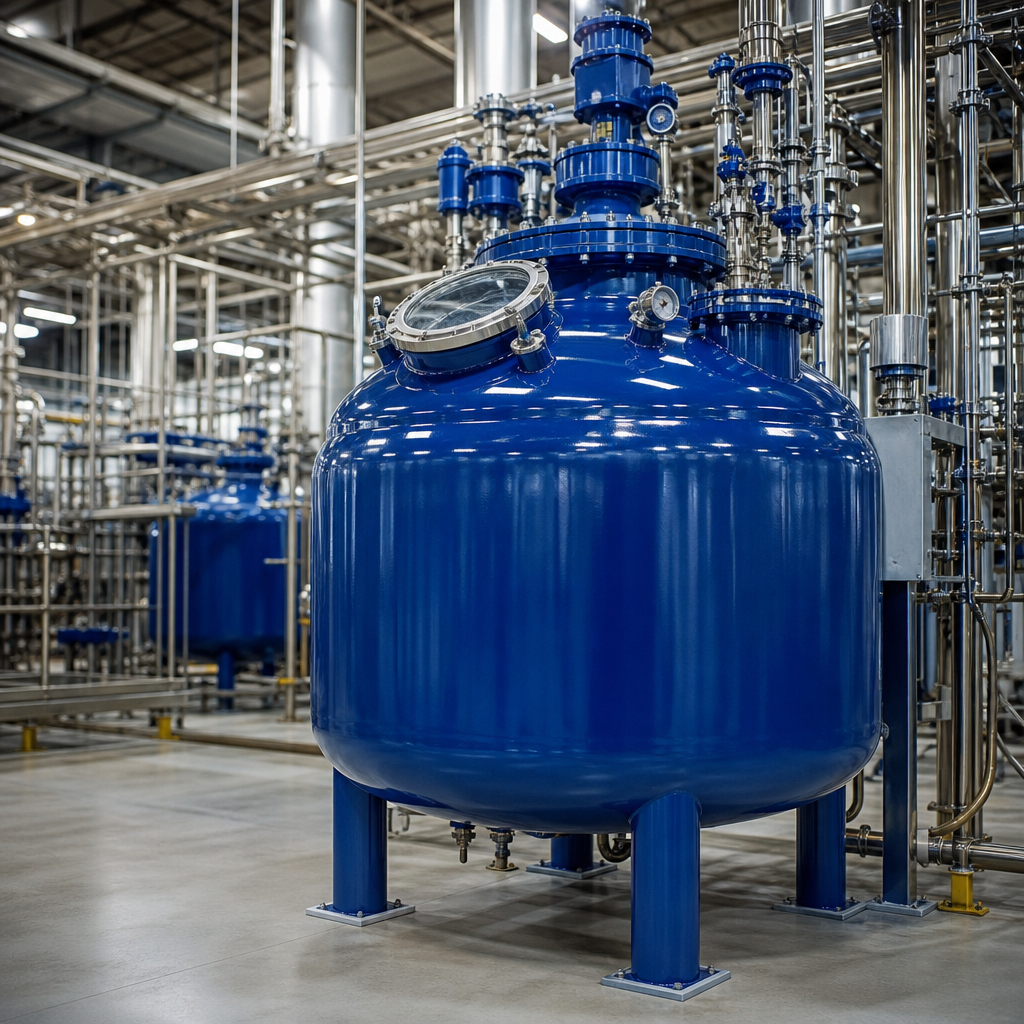
In the world of chemical processing, pharmaceutical manufacturing, and specialty industrial production, the materials used to contain reactive substances are never a trivial consideration. Corrosion, contamination, and chemical incompatibility can compromise entire production batches, damage expensive equipment, and create serious safety hazards. Among the many solutions engineers have developed over decades to address these challenges, one technology has proven remarkably enduring: the glass lined reactor vessel. Its combination of chemical resistance, thermal stability, and hygienic surface properties has made it indispensable across a wide range of industries. Understanding why this technology continues to dominate certain sectors requires a closer look at the science behind it, the operational demands it meets, and the engineering expertise required to deploy it effectively.
The Science Behind Glass Lining Technology
Glass lining is not simply a coating applied to a metal surface. It is a fused, vitreous enamel layer that is bonded to a steel substrate through a high-temperature firing process, typically exceeding 800 degrees Celsius. The result is a composite structure that combines the mechanical strength and pressure resistance of steel with the chemical inertness of borosilicate glass. This dual-material approach is what makes glass lined equipment so uniquely suited to aggressive chemical environments.
The glass layer itself is highly resistant to acids, solvents, and a broad spectrum of organic and inorganic compounds. It is also non-porous, which means it does not absorb process materials or harbor microbial growth — a critical advantage in pharmaceutical and food-grade applications. The smooth, glassy interior surface also facilitates thorough cleaning and sterilization, supporting compliance with stringent regulatory standards such as those set by the FDA and EMA.
Limitations and Engineering Considerations
Despite its many advantages, glass lining is not without limitations. It is susceptible to mechanical impact, which can cause chipping or cracking of the glass layer. It also has reduced resistance to strongly alkaline solutions and hydrofluoric acid. Engineers must therefore carefully evaluate the chemical environment, operating pressures, and temperature ranges before specifying glass lined equipment. Thermal shock — the rapid change in temperature — is another factor that must be managed carefully during operation and cleaning cycles to prevent stress fractures in the glass layer.
Applications Across Key Industrial Sectors
The pharmaceutical industry is perhaps the most prominent user of glass lined reactors. The synthesis of active pharmaceutical ingredients (APIs) frequently involves highly corrosive reagents, precise temperature control, and the absolute requirement for product purity. Glass lined batch reactors provide the ideal environment for these reactions, offering chemical resistance without the risk of metallic contamination that could compromise drug safety or efficacy.
In the specialty chemicals sector, glass lined vessels are used for the production of dyes, agrochemicals, and fine chemicals where reaction conditions can be particularly aggressive. The food and beverage industry also employs glass lined equipment in fermentation and processing applications where hygiene and flavour neutrality are paramount. Even in emerging sectors such as battery material production and advanced polymer synthesis, glass lined technology is finding new relevance as manufacturers seek materials that can handle novel chemistries without degradation.
Batch Processing: The Dominant Mode of Operation
Glass lined reactors are most commonly deployed in batch processing configurations, where discrete quantities of materials are processed through a defined sequence of steps before the vessel is emptied and cleaned. This mode of operation suits industries where product formulations change frequently, where regulatory traceability requires clear batch records, or where the scale of production does not justify continuous processing infrastructure. Batch reactors offer flexibility, ease of validation, and straightforward scale-up from laboratory to production scale.
Sourcing Quality Glass Lined Equipment
For process engineers and procurement specialists seeking reliable glass lined equipment, sourcing from reputable suppliers with proven track records is essential. International Process Plants offers a comprehensive range of used and refurbished process equipment, including a glass lined vessel suitable for batch reactor applications. Their inventory provides a cost-effective route to acquiring high-quality process equipment without the lead times and capital expenditure associated with new builds, making them a practical choice for plant expansions, pilot projects, and replacement scenarios.
Supporting Systems: Compressed Air and Fluid Handling
A glass lined reactor does not operate in isolation. It is part of a broader process system that includes agitation drives, heat transfer jackets, instrumentation, and a range of ancillary utilities. Among the most important of these are compressed air systems, which power pneumatic actuators, control valves, and instrumentation throughout the plant. The reliability and efficiency of these systems directly affects the performance of the entire process train.
Modern industrial facilities are increasingly turning to smarter, more energy-efficient compressed air solutions to reduce operating costs and improve system reliability. Optimised compressed air design can significantly reduce energy consumption while ensuring that critical process equipment, including glass lined reactors, receives the consistent pneumatic supply they require for safe and precise operation.
Pump and Fluid Transfer Considerations
Fluid handling is another critical dimension of process plant design. Whether transferring raw materials into a glass lined reactor, circulating heat transfer fluids through a jacket system, or moving finished product to downstream processing, pump selection and specification must be carefully matched to the process requirements. High-performance pump technology continues to evolve, with manufacturers developing solutions tailored to the demanding conditions found in chemical and pharmaceutical plants. For example, advanced boiler feed pump technology from KSB illustrates how precision engineering in fluid handling equipment supports large-scale industrial operations with demanding performance requirements.
International Process Plants: A Trusted Equipment Partner
International Process Plants has established itself as a leading global source of used and reconditioned process equipment for the chemical, pharmaceutical, food, and energy industries. With an extensive inventory spanning reactors, heat exchangers, distillation columns, storage vessels, and complete plant systems, they provide procurement teams with access to quality-verified equipment at competitive prices. Their technical expertise and global logistics capabilities make them a valuable partner for projects of all scales, from single equipment replacements to complete plant acquisitions.
Their glass lined reactor inventory in particular represents a strong value proposition for buyers who need proven, chemically resistant process vessels without the extended delivery schedules of new equipment orders. Each unit is assessed for condition and suitability, giving buyers confidence in the equipment they are acquiring.
Conclusion: Enduring Value in a Demanding World
The glass lined vessel has earned its place in industrial process engineering through decades of reliable performance in some of the most chemically demanding environments imaginable. Its unique combination of corrosion resistance, product purity, and hygienic surface properties continues to make it the preferred choice for pharmaceutical, specialty chemical, and food processing applications. As industries evolve and new chemistries emerge, the fundamental principles that make glass lining effective remain as relevant as ever. For process engineers, plant managers, and procurement professionals, understanding this technology — and sourcing it from trusted suppliers — is a foundational element of building efficient, compliant, and productive manufacturing operations.