
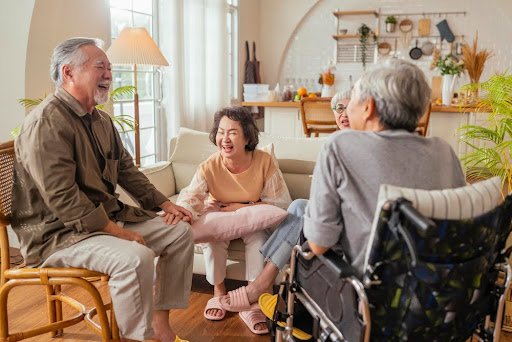
Life changes a lot with age. Work routines end, friends become harder to meet, and home life can feel quieter than before. Over time, many seniors begin to spend more hours alone than they expect, and that can slowly affect mood and health.
Independent living offers a better path. It gives seniors freedom with built-in chances to connect. In places like Langley, this style of living helps older adults stay active, social, and engaged. Choosing Independent Living in Langley, BC can improve not just comfort, but also relationships and well-being.
Understanding Independent Living in Langley
Independent living is designed for seniors who can manage most parts of their lives on their own. They live in private spaces but share common areas. Support services are available, but the focus stays on independence.
Langley offers a calm setting with easy access to nearby cities. It combines a peaceful lifestyle with a strong sense of community. Seniors can enjoy quiet surroundings while staying connected to others.
The Hidden Impact of Social Isolation in Seniors
Loneliness does more than affect mood. Studies show it increases the risk of depression and memory loss. It can even affect heart health and shorten life expectancy.
Many seniors who live alone face fewer chances to talk with others. Mobility issues or lack of transport make it harder to meet people. Over time, this leads to isolation.
Independent living reduces this risk. It places seniors in an environment where interaction happens often and naturally.
Built-In Community Design That Encourages Interaction
The layout of a community plays a big role in social life. Independent living spaces are designed to bring people together without pressure.
Common areas like lounges, dining rooms, and gardens create natural meeting points. Residents pass by each other often. These small moments can turn into conversations and friendships.
Living close to others also builds familiarity. Seeing the same faces each day makes it easier to start a conversation. This simple design choice has a strong effect on social connection.
Daily Social Opportunities Without Pressure
Not every senior wants a busy social calendar. Independent living respects that. It offers options without forcing participation.
Residents can join events or simply enjoy casual interactions. A short chat during breakfast or a walk in the garden can be enough to feel connected.
These small, regular moments often matter more than large gatherings. They build comfort and trust over time.
Shared Interests Create Stronger Bonds
Friendships grow faster when people share interests. Independent living communities support this through clubs and group activities.
Residents often take part in:
- Art and craft sessions where creativity brings people together
- Gardening groups that offer both activity and conversation
- Music or reading clubs that build routine social time
These shared experiences help seniors reconnect with hobbies. They also create a sense of purpose, which improves mood and confidence.
Wellness Programs That Support Social Life
Health programs in independent living do more than support the body. They also bring people together.
Group fitness sessions, yoga classes, and walking clubs encourage interaction. Seniors motivate each other and build bonds through shared effort.
Some communities also offer support groups or quiet spaces for reflection. These help residents form deeper connections, not just casual ones.
Dining as a Social Experience
Meals play a central role in social life. Eating together creates a routine where people meet and talk.
In independent living communities, dining areas are often shared. Residents sit together, share stories, and build friendships. This daily habit creates a strong sense of belonging.
Flexible seating also helps. Seniors can meet new people while still keeping close connections. Over time, these meals become the highlight of the day.
Living Among Peers Builds Comfort
Being surrounded by people in the same stage of life makes socializing easier. Seniors often feel more relaxed with peers who share similar experiences.
This setting reduces fear or hesitation. Conversations flow more naturally. People understand each other without much explanation.
It also creates a support system. Neighbors check in on each other. Small acts of care build strong bonds within the community.
Independence Builds Confidence and Connection
Confidence plays a key role in social life. Seniors who feel in control of their lives are more likely to engage with others.
Independent living removes many daily burdens like home maintenance and chores. This frees up time and energy for social activities.
With fewer worries, residents feel more open to meeting people. This leads to stronger and more frequent interactions.
Research-Backed Benefits of Social Living
Social connection improves mental health. Seniors who stay socially active report lower levels of depression. They also show better memory and thinking skills.
Physical health improves as well. Social seniors tend to stay more active. This reduces the risk of illness and supports longer life.
These findings show that social living is not just about comfort. It plays a direct role in health and longevity.
Social Advantages of Independent Living in Langley
Langley offers a strong local community. Many independent living spaces reflect this by promoting inclusive programs and shared activities.
The area also has parks, walking trails, and community events. These give seniors more chances to stay active and meet others.
The balance between quiet living and social access makes Langley a good choice. Seniors can choose when to engage and when to relax.
Independent Living vs Aging at Home
Living at home may feel comfortable, but it often limits social interaction. Seniors may go days without meaningful conversation.
Independent living changes that. It creates an environment where connection is part of everyday life.
The difference becomes clear over time. Seniors in social settings often show better mood, energy, and outlook.
Barriers to Social Connection and Simple Solutions
Some seniors face challenges when it comes to socializing. Independent living communities address these in practical ways.
- Mobility issues are handled through accessible spaces and on-site activities
- Shyness or fear of new situations is eased with small group events
- Language or cultural differences are supported through inclusive programs
These steps make social interaction easier and more comfortable for everyone.
What Families Should Look For in a Social Community?
Families should look beyond appearance when choosing a place. Social life is a key factor in long-term happiness.
Pay attention to:
- Activity schedules that show regular engagement
- Residents who appear active and involved
- Staff who encourage participation without pressure
During visits, observe how people interact. A friendly and relaxed environment often signals a strong community.
The Future of Social Living for Seniors
Technology is starting to play a role in senior communities. Video calls, online events, and digital groups help residents stay connected with family and friends.
New living models are also emerging. These focus more on shared spaces and group living. The goal remains the same: keeping seniors connected and engaged.
Final Thoughts
Social connection plays a major role in healthy aging. Independent living supports this by creating spaces where interaction happens naturally.
For seniors in Langley, this lifestyle offers both freedom and connection. Choosing the right Independent Living in Langley, BC can lead to stronger relationships, better health, and a more fulfilling life.