
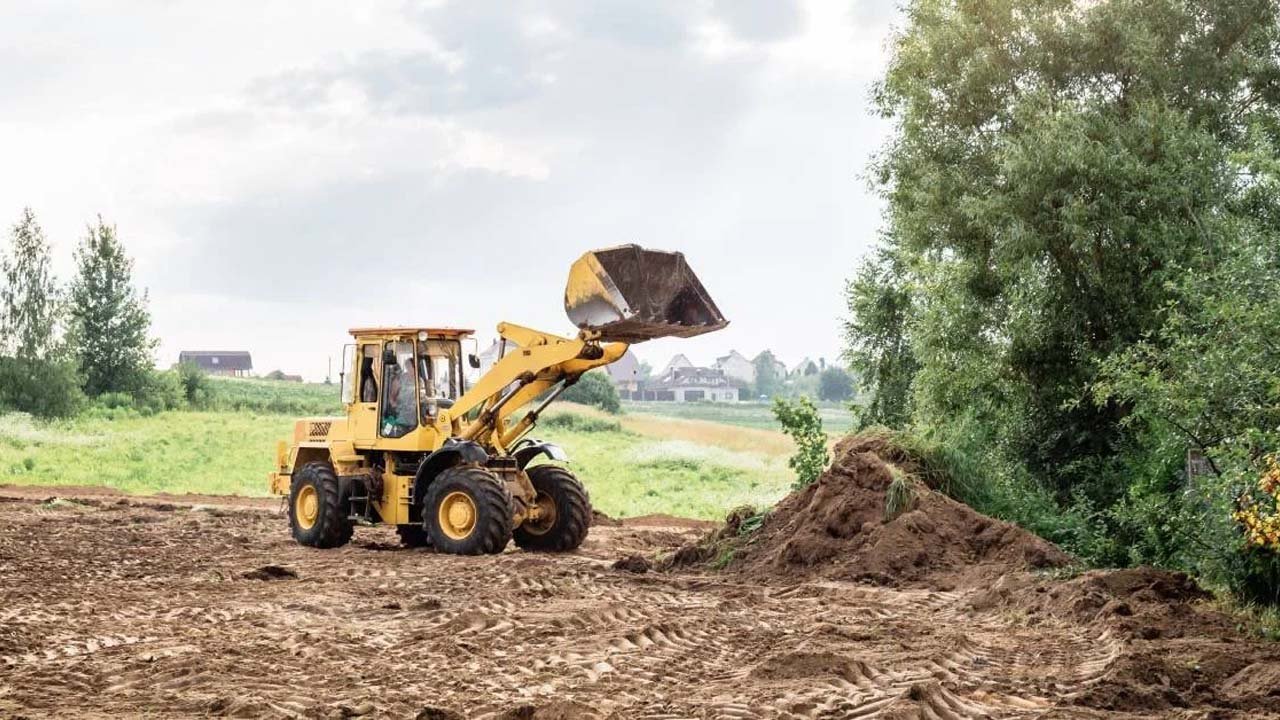
In today’s world of land development, agriculture, and environmental conservation, vegetation management has become more important than ever, and one of the most efficient modern techniques used for this purpose is forestry mulching. This method has gained popularity due to its ability to clear unwanted vegetation while improving soil health and reducing environmental impact. Unlike traditional clearing methods that involve burning or hauling debris, this approach transforms vegetation directly into mulch on-site. It supports land restoration, reduces erosion, and helps maintain ecological balance in a more natural way. As landowners and contractors continue to look for cost-effective solutions, forestry mulching has become a preferred choice for sustainable land management practices across different types of terrain and vegetation conditions.
Understanding Modern Vegetation Clearing Practices
Modern land clearing techniques have evolved significantly over the years, focusing more on environmental responsibility and efficiency rather than just speed. One of the widely recognized approaches in this category is forestry mulching, which allows operators to clear dense vegetation without disturbing the soil structure excessively. This method uses specialized machinery to grind trees, brush, and other vegetation into mulch, leaving behind a layer of organic material that benefits the soil. The process eliminates the need for multiple machines and reduces transportation costs associated with debris removal. In many cases, forestry mulching is considered both a land clearing and land improvement technique because it enhances soil quality while preparing the land for future use. It also minimizes disruption to surrounding ecosystems, making it a preferred method for environmentally conscious projects. The growing demand for sustainable land management has encouraged many professionals to adopt advanced techniques such as forestry mulching.
Equipment and Techniques Used in Land Clearing
A significant advantage of modern clearing methods is the use of advanced machinery that simplifies complex tasks. In one common application, forestry mulching machines are equipped with rotating drums that shred vegetation into fine mulch. These machines are designed to operate in challenging terrains such as slopes, forests, and uneven ground, making them suitable for a wide range of projects. Operators can control the cutting intensity and mulch output depending on the type of vegetation being processed. This flexibility ensures that the land is cleared efficiently without causing unnecessary damage to the soil structure or nearby vegetation. In practical field operations, forestry mulching is often chosen because it eliminates the need for hauling debris to disposal sites. This reduces fuel consumption and overall project costs. The mulch produced is evenly distributed across the land, which helps in preventing soil erosion and promoting natural decomposition.
Environmental Benefits of Sustainable Clearing
One of the most important aspects of modern vegetation management is its impact on the environment. Traditional land clearing methods often involve burning or transporting large amounts of organic waste, both of which can negatively affect ecosystems. In contrast, forestry mulching provides a more environmentally friendly solution by recycling vegetation directly back into the soil. This reduces carbon emissions and eliminates the need for burning, which contributes to air pollution. Another key benefit is its role in preventing soil erosion, as the mulch layer acts as a natural protective blanket for the ground. It also helps retain moisture, which supports plant regrowth and soil stability over time. Forestry mulching also reduces the spread of invasive plant species by removing unwanted vegetation in a controlled and efficient manner. These environmental advantages make it a valuable solution for sustainable land management and ecological restoration projects.
Practical Applications in Land Development
Forestry mulching is widely used in various industries, including agriculture, construction, and environmental restoration. In agricultural settings, it is used to clear overgrown fields and prepare land for planting without damaging the soil structure. In construction, it helps in preparing sites for building projects while maintaining environmental compliance. Environmental organizations also use this method for habitat restoration and wildfire prevention by reducing excess vegetation that can fuel fires. Forestry mulching is especially useful in areas where traditional clearing equipment cannot easily operate due to terrain challenges or dense vegetation. Its ability to handle different types of land conditions makes it a versatile and reliable solution. Many professionals prefer forestry mulching because it completes clearing and soil improvement in a single process, saving both time and resources.
Efficiency and Long-Term Advantages
One of the main reasons land managers prefer forestry mulching is its long-term benefits. Unlike traditional clearing methods that leave bare soil exposed to erosion, this technique improves soil quality over time. The decomposing mulch adds organic matter to the soil, enhancing its structure and fertility. This creates a healthier environment for future vegetation growth and reduces the need for additional soil treatments. Forestry mulching also reduces maintenance requirements for cleared land because the mulch layer naturally suppresses weed growth. This results in lower long-term maintenance costs and reduced labor needs for property owners. Additionally, the reduced use of heavy machinery and transportation lowers the overall environmental footprint of land clearing projects. Over time, forestry mulching proves to be both economically and ecologically efficient.
Future of Sustainable Land Management
As environmental awareness continues to grow, the demand for eco-friendly land clearing methods is expected to increase significantly. Forestry mulching represents a shift toward more sustainable practices that balance development needs with environmental protection. Advancements in machinery and techniques are making this process even more efficient, precise, and accessible for a wide range of applications. With continued innovation, forestry mulching will play a major role in shaping the future of responsible land management practices. Its ability to improve soil health, reduce environmental damage, and simplify clearing operations makes it an essential technique for modern land use planning. The adoption of such sustainable practices is likely to increase as industries recognize the importance of long-term ecological balance.
Conclusion
Forestry mulching has become one of the most efficient and environmentally responsible methods for modern land clearing and vegetation management. It provides a complete solution by combining vegetation removal, soil improvement, and environmental protection into a single process. By turning unwanted vegetation into beneficial mulch, it enhances soil fertility, reduces erosion, and minimizes environmental disturbance. Its versatility allows it to be used in agriculture, construction, and ecological restoration projects with equal effectiveness. As the need for sustainable land development continues to grow, forestry mulching will remain a key practice for balancing progress with environmental care
