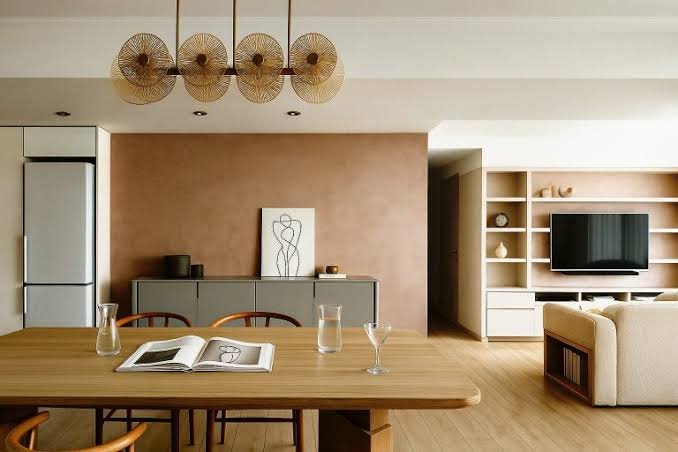
Introduction to Natural Wall Finishing and Surface Aesthetics
Interior design has evolved significantly over time, yet some traditional finishing methods continue to remain popular due to their natural beauty, eco-friendly composition, and timeless appeal. One such method is limewash, a mineral-based wall coating that has been used for centuries to create soft, breathable, and textured finishes on interior and exterior surfaces. Unlike modern synthetic paints, this technique allows walls to breathe, which helps in maintaining healthier indoor environments. In modern construction and renovation, limewash is gaining attention again because of its organic appearance and sustainable properties. It offers a unique aesthetic that blends simplicity with elegance, making it suitable for both traditional and contemporary spaces.
Understanding the Composition and Nature of Lime-Based Finishes
The foundation of limewash lies in its natural ingredients, primarily slaked lime and water, sometimes combined with natural pigments for color variation. This simple composition gives it a distinctive matte finish that changes subtly with light and surface texture. Unlike synthetic coatings, it does not form a thick layer on the surface but instead bonds chemically with the material underneath. This allows the surface to age gracefully over time, developing soft variations that enhance its character. Because of its breathable nature, limewash helps reduce moisture buildup in walls, which can contribute to improved durability and reduced risk of mold growth when applied correctly.
Historical Significance and Traditional Usage of Lime Finishes
For centuries, limewash has been used in architecture across different cultures due to its availability, affordability, and protective qualities. Ancient structures often relied on it not only for decoration but also for preserving building materials against weathering and decay. Over time, this technique became a preferred choice for both rural and urban buildings, especially where natural materials were widely used. Even today, limewash continues to be appreciated for its connection to traditional craftsmanship and sustainable building practices. Its ability to create soft, earthy textures has allowed it to remain relevant in modern interior design trends while still preserving its historical essence.
Surface Preparation and Importance of Base Conditions
Before applying any natural coating, proper surface preparation is essential to ensure smooth application and long-lasting results. The surface must be clean, free of dust, grease, or loose particles that could interfere with adhesion. In some cases, lightly dampening the surface helps improve absorption and bonding. The condition of the base wall also plays a critical role in the final appearance, as uneven or damaged surfaces can affect the consistency of the finish. Proper preparation ensures that limewash interacts correctly with the surface, allowing it to bond naturally and create a uniform yet textured look that enhances the overall visual appeal of the space.
Application Techniques for Achieving a Natural Finish
Applying lime-based coatings requires a slightly different approach compared to modern paints, as it is absorbed into the surface rather than sitting on top of it. It is usually applied in thin, overlapping layers using brushes or specialized tools that allow the material to spread evenly. Multiple coats are often required to achieve the desired depth of color and texture. During application, natural variations in tone may appear, which contribute to the signature aesthetic of this finish. Limewash is typically applied in crisscross patterns to enhance its organic appearance and avoid uniformity that might look artificial or overly polished.
Drying Process and Surface Transformation Over Time
After application, the drying process plays an important role in defining the final appearance of the surface. As the material reacts with air, it gradually hardens and integrates with the underlying surface. This chemical process results in a matte, velvety finish that continues to evolve over time. The appearance may initially look lighter but deepens as it fully cures. Environmental conditions such as humidity and temperature can influence the drying behavior and final texture. One of the unique characteristics of limewash is that it does not remain static; instead, it develops subtle variations that enhance its natural charm as it ages.
Aesthetic Benefits and Visual Appeal in Interior Spaces
One of the key reasons for the growing popularity of this technique is its ability to create visually soothing and elegant interiors. The soft, cloud-like texture produced by limewash adds depth and warmth to walls without overwhelming the space. It works particularly well in minimalist, rustic, and contemporary design styles where natural elements are emphasized. The subtle tonal variations create a dynamic surface that changes with lighting conditions throughout the day. This makes it a preferred choice for designers seeking a balance between simplicity and sophistication. Limewash also pairs well with natural materials such as wood, stone, and clay, enhancing the overall harmony of interior spaces.
Durability, Maintenance, and Long-Term Performance
Although lime-based finishes are known for their beauty, they also offer practical benefits in terms of durability and maintenance. When applied correctly, they form a strong bond with the surface and can last for many years without losing their natural appeal. Minor wear and tear can often be repaired by simply reapplying a thin layer, making maintenance relatively simple. However, it is important to avoid harsh cleaning chemicals, as they can damage the natural composition of the coating. In terms of longevity, limewash performs best in environments where moisture control and proper ventilation are maintained, ensuring that the surface remains stable and visually consistent over time.
Environmental Benefits and Sustainable Design Approach
Sustainability has become a major focus in modern architecture and interior design, and natural coatings align well with this approach. Limewash is considered environmentally friendly due to its natural composition and low chemical content. It contributes to healthier indoor air quality by reducing the presence of synthetic compounds often found in modern paints. Additionally, its production process has a lower environmental impact compared to many industrial coatings. Because it allows walls to breathe, it also helps regulate moisture levels, reducing the risk of long-term structural issues. These qualities make it a responsible choice for eco-conscious building practices.
Creative Design Possibilities and Modern Applications
In contemporary design, lime-based finishes are being used in creative ways to achieve unique interior styles. Designers often experiment with different application techniques to create textured, layered, or washed effects that add character to walls. It can be used in living rooms, bedrooms, kitchens, and even commercial spaces to introduce a natural and calming aesthetic. Color variations can also be customized using natural pigments, allowing for a wide range of design possibilities. Whether used as a subtle background or a statement wall, limewash provides flexibility that supports both traditional and modern design concepts.
Common Challenges and Practical Considerations
Despite its many benefits, there are certain considerations that must be kept in mind when using lime-based coatings. Surface compatibility is important, as not all materials respond equally well to application. In some cases, additional preparation or priming may be required. Environmental conditions during application can also affect the outcome, making timing and technique important factors. Because it behaves differently from synthetic paints, users must understand its natural variations and accept that uniform perfection is not its intended result. Instead, its beauty lies in its organic and imperfect finish.
Conclusion: Timeless Value of Natural Wall Finishing Methods
In conclusion, limewash remains a timeless and versatile wall finishing technique that combines aesthetic beauty with environmental benefits and historical significance. Its natural composition, breathable properties, and evolving surface texture make it a preferred choice for those seeking authenticity in design. While it requires proper application and understanding, the results offer a unique visual experience that cannot be replicated by synthetic coatings. From traditional architecture to modern interiors, this technique continues to inspire designers and homeowners alike. With proper care and thoughtful application, limewash can transform ordinary walls into elegant, living surfaces that age gracefully and maintain their charm for years to come.