
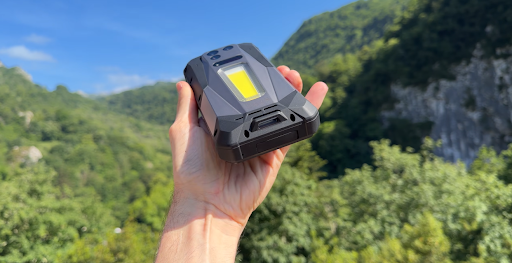
Rugged phones carry a reputation problem. Many buyers still picture heavy bricks with weak cameras and slow chips. That image is years out of date. Modern rugged devices run the same apps, shoot capable photos, and last for days. Yet old assumptions keep pushing field workers toward fragile phones in plastic cases. Those phones then crack, flood, or die halfway through a shift.
This guide breaks down the most persistent rugged smartphone myths and tests them against field reality. You will learn what protection ratings actually cover and where their limits sit.
What Are the Most Common Rugged Smartphone Myths?
The most common myths call rugged phones bulky, slow, ugly, overpriced, and niche. Each claim falls apart under current field evidence.
These ideas formed when early rugged handsets truly lagged behind. Old models shipped thick rubber bodies, dim screens, and outdated chips. Reviewers mocked them, and the label stuck for a decade. Five claims come up again and again in forums and reviews.
- Rugged phones are too heavy for daily carry
- Rugged phones use weak processors and old software
- Rugged cameras cannot capture usable photos
- Ruggedness makes a phone indestructible
- Tough phones only suit job sites
The sections below test each claim against real outdoor use. Where a myth holds a grain of truth, you will see the limits too.
Are Rugged Phones Too Bulky for Daily Use?
No. Most modern rugged phones stay pocketable despite the extra weight.
The added heft buys real advantages. Thicker frames house bigger batteries that run for days. Textured backs grip better in wet or gloved hands. You also skip the bulky case a fragile phone requires. A slim flagship inside a heavy protective case weighs nearly the same.
Design has improved as well. Many current models look closer to standard phones than to toolbox bricks. Raised screen edges let the phone lie face down on gravel without scratches.
Do Rugged Phones Sacrifice Performance and Features?
Not anymore. Modern rugged phones run the same operating systems and apps as mainstream devices. Current chips handle navigation, messaging, cameras, and site apps at once.
Camera Quality
Early rugged cameras deserved their bad reputation. Current models carry capable main sensors and useful extra lenses. For field documentation, stabilization and daylight clarity matter more than megapixel counts. Photograph labels, serial plates, and terrain, then judge the results yourself.
Modern Features
Feature gaps have closed fast. Many rugged models now support eSIM, fast charging, and contactless payments. Some even include a projector inside the body. A projector phone is simply a smartphone with a built-in projector.
For example, the 8849 Tank 5 shows how far the category has moved. It pairs a tough build with a built-in projector and eSIM support. That lets you share site plans or a movie off-grid without extra gear.
What Do IP Ratings and Military Standards Really Mean?
These ratings describe standardized lab tests, not guarantees of survival in every situation.
Rating Basics
IP ratings use two digits. The first digit describes dust protection, and the second describes water protection. Higher numbers generally indicate tougher sealing. Military standard testing covers stresses like drops, vibration, and temperature swings in general terms. Treat both as design benchmarks rather than verified field promises.
Rugged Smartphone Myths
Ratings create their own folklore. A water rating does not make a phone submarine-proof forever. Tests generally involve still, clean water, not hot springs or salt spray. Seals also age, so protection can fade over years of use. No rating makes glass immune to a sharp rock at the wrong angle. Respect the limits, and the phone will outlast anything fragile.
Are Rugged Phones Only for Construction Workers?
No. Rugged phones suit anyone who spends real time outdoors or works with their hands.
Hikers, anglers, campers, farmers, and travelers all benefit from sealed, durable hardware. Parents also buy rugged models as family devices that survive drops. If your phone faces dust, water, or hard floors, ruggedness pays off.
How Rugged Smartphone Myths Affect Your Buying Decision
Believing these myths usually leads to buying fragile phones for hard environments. That mistake costs money in repairs, downtime, and early replacements.
Use a simple comparison before you decide. Weigh each assumption against what actually happens outdoors.
| Myth | Field Reality |
| Too bulky to carry | Similar weight to a flagship in a heavy case |
| Weak performance | Runs mainstream apps and maps smoothly |
| Bad cameras | Capable sensors handle documentation and travel shots |
| Indestructible | Strong resistance, but seals and glass have limits |
| Only for job sites | Useful for hikers, campers, travelers, and families |
Read the left column as the assumption and the right column as the field check. If the reality column matches your daily conditions, shortlist a rugged phone.
Conclusion
Most rugged smartphone myths trace back to devices from a decade ago. Today the picture looks different. Tough phones now pair sealed builds with fast chips, big batteries, and useful cameras. They serve hikers, farmers, contractors, and anyone tired of babying fragile glass. The smart approach stays simple. Ignore folklore and check each claim against your daily conditions.
Match protection ratings to real hazards like dust, rain, and drops onto rock. Treat durability as damage resistance, not immunity, and the phone will serve you for years. If your current phone keeps failing outdoors, test a rugged model on your next job. Carry it for a week in real conditions. Let the results, not the myths, make the decision for you.
