
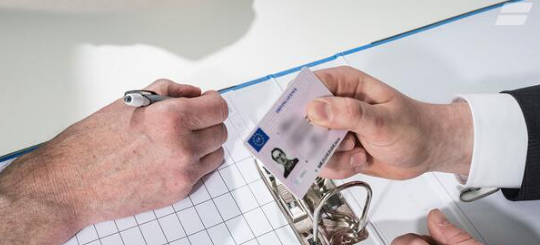
Selling a car is pretty straightforward as long as you have the right paperwork ready. If you are wondering, “What documents do I need to sell my car?”, this guide will walk you through everything you need before you hand over the keys.
It is all too easy to forget what came with your car over the years. Most people focus on the tricky bits -finding a buyer, negotiating a price = only to realise later they cannot locate the paperwork. Even if some of your documents are digital these days, keeping physical copies together makes the whole process much smoother. Let’s get you organised before you start the sale.
12 Essential Documents You Need
Whether you are selling privately, online, or via a dealership, there are twelve key documents you should have ready.
Service History
Your service history is a major selling point. It shows the car has been properly maintained and boosts buyer confidence. Even if you misplace the booklet, stamped receipts from garages will still demonstrate a solid maintenance record.
If you do not have any paperwork for the car, you can run an online service history check to obtain its full history. This report checks the vehicle’s service records with manufacturers and dealer networks to gather the relevant information. The report can then be printed and provided to the buyer.
V5C Logbook
The V5C logbook, or vehicle registration certificate, proves who officially owns the car. If you are selling privately, fill out sections 2 and 6 and send it to the DVLA. Dealers usually handle section 4 for you. You can also do this online so your buyer receives their new V5C by post. Selling without one is possible but not recommended. It can make buyers wary, complicate the sale, and create issues with taxing and insurance. Lost your V5C? Apply for a replacement before selling.
Receipts
Private sales often involve a deposit before the full payment. Issue a receipt when the deposit is paid and another when the balance is settled. Each transaction involves two receipts, for you and for the buyer, so your sale will generate four in total. Include names, car details, VIN, payment type, amounts, date, and signatures to protect both parties.
MOT Certificates
All vehicles over three years old need a valid MOT. Buyers will want to see the certificate and any advisory notes. Your MOT history is available online, but having physical copies is a nice touch. Selling a car without a recent MOT is legal, but you cannot mislead the buyer about roadworthiness.
Insurance Policy
Not required by law to sell, but keeping your insurance up to date until the sale completes reassures buyers and makes the process simpler.
Parts Receipts
Any receipts for repairs or upgrades prove proper maintenance and the value of aftermarket parts. They also clarify any accident history or modifications for potential buyers.
Proof of Purchase and Warranty
Provide proof of purchase to confirm ownership and, if applicable, that any finance is cleared. Transfer any remaining warranty to the new owner if allowed – it adds value.
V317 Number Plate Retention Form
If keeping your private plate, complete this form with the DVLA to retain or transfer it.
Owner’s Handbook, Driving Licence, and Bank Statement
The handbook provides technical info and maintenance instructions. A photo ID (driving licence or passport) and proof of address via bank statement complete the verification process.
Wrapping Up
Selling a car, van, or truck in the UK is straightforward once your paperwork is in order. Even with online records, having everything together physically makes the sale far easier. Keep things transparent and organized = your buyer will appreciate it, and the sale will run smoothly from start to finish.