
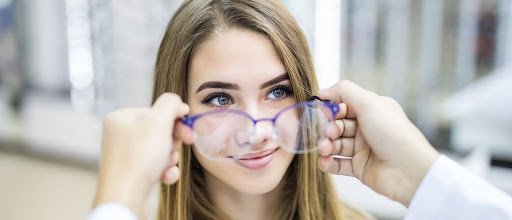
Clear vision plays a crucial role in everyday life, from reading and working to driving and enjoying outdoor activities. Millions of people rely on contact lenses or prescription glasses to correct vision problems and improve eye comfort. However, choosing the right option often depends on the specific eye condition, lifestyle, and personal preferences. Both contact lenses and prescription glasses are highly effective for vision correction, but they may perform differently depending on the type of eye problem. Understanding how each option works can help you choose the most suitable and comfortable solution for your eyes.
Understanding Common Eye Conditions
Vision problems usually occur when the eye cannot properly focus light on the retina. This results in blurred or distorted vision at certain distances. Some of the most common eye conditions include nearsightedness, farsightedness, astigmatism, and age-related vision changes. Modern vision correction options, including contact lenses and prescription glasses, are designed to address these conditions effectively. However, the best choice may vary depending on the nature and severity of the eye condition.
Contact Lenses vs Prescription Glasses: Key Differences
Before deciding which option is best, it’s important to understand the main differences between contact lenses and glasses. Contact lenses sit directly on the eye, allowing them to move naturally with eye movements. This often provides a wider field of vision and a more natural viewing experience.
Prescription glasses, on the other hand, sit slightly away from the eyes and correct vision by adjusting the way light enters the eye. They are simple to use, require minimal maintenance, and are often recommended for long-term comfort and eye protection.
Which Option Is Best for Different Eye Conditions?
Different eye conditions may benefit from different types of vision correction. Let’s explore how contact lenses and glasses perform for common vision problems.
Nearsightedness (Myopia)
Nearsightedness makes distant objects appear blurry while nearby objects remain clear. Both contact lenses and prescription glasses are highly effective for correcting myopia. Contact lenses often provide a sharper and more natural field of vision, especially for people who are active or spend time outdoors. Glasses, however, remain a convenient and reliable option for daily use.
Farsightedness (Hyperopia)
Farsightedness causes difficulty focusing on close objects, making reading and detailed work more challenging. Prescription glasses are commonly used for hyperopia because they provide consistent support for near vision tasks. Contact lenses can also be effective, particularly for individuals who prefer a glasses-free lifestyle.
Astigmatism
Astigmatism occurs when the cornea has an irregular shape, causing blurred or distorted vision at all distances. Both glasses and specialized toric contact lenses are designed to correct astigmatism. Glasses are often easier for beginners, while toric lenses provide a clearer and more stable visual experience for many users.
Presbyopia (Age-Related Vision Changes)
Presbyopia is a natural age-related condition that affects the ability to focus on nearby objects, usually after the age of 40. Prescription glasses, such as reading glasses or progressive lenses, are a popular solution. However, multifocal contact lenses are also available and allow users to see clearly at different distances without switching glasses.
Lifestyle Factors That Influence Your Choice
Choosing between contact lenses and prescription glasses is not only about eye conditions—it also depends on lifestyle and daily habits. People with active lifestyles, sports routines, or outdoor hobbies often prefer contact lenses because they provide freedom of movement and a wider field of vision. On the other hand, individuals who spend long hours reading, working on computers, or relaxing at home may prefer the comfort and simplicity of glasses.
Can You Use Both Contact Lenses and Glasses?
Many eye care professionals recommend using both options for maximum comfort and flexibility. For example, contact lenses can be worn during work, exercise, or social events, while glasses can be used in the evening or during extended screen time. This balanced approach allows you to enjoy clear vision, eye comfort, and convenience throughout the day.
Tips for Choosing the Right Vision Correction Option
Selecting the best vision correction method depends on several factors:
- Your specific eye condition
- Lifestyle and daily activities
- Comfort preferences
- Budget and maintenance needs
- Professional advice from an eye care specialist
A comprehensive eye examination can help determine the most effective solution for maintaining healthy and comfortable vision.
Conclusion
Both contact lenses and prescription glasses are powerful tools for correcting vision problems and improving daily life. The best option depends on your eye condition, comfort level, and lifestyle needs. Contact lenses offer freedom, flexibility, and a natural viewing experience, while prescription glasses provide simplicity, reliability, and long-term comfort. In many cases, combining both options can deliver the best results for clear vision and healthy eyes. By consulting with an eye care professional and understanding your vision needs, you can confidently choose the ideal vision correction solution for your eyes.