
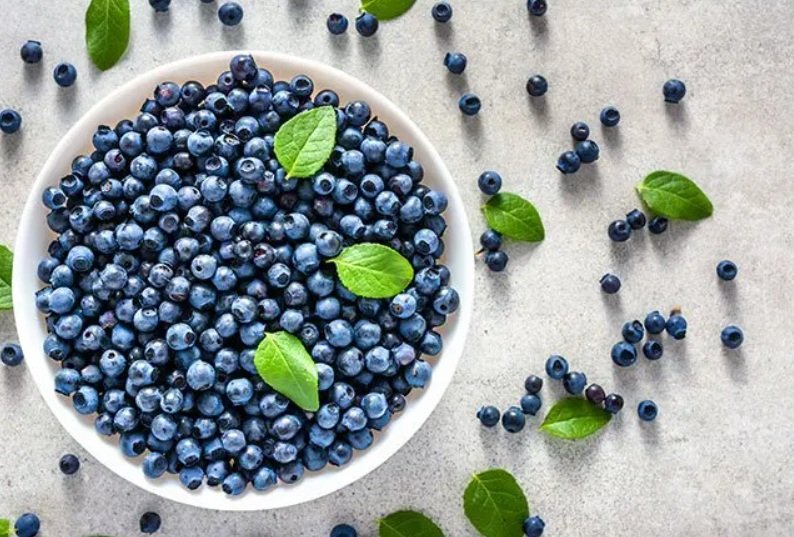
A little, dark-blue fruit that is closely related to blueberries is called a bilberry (Vaccinium myrtillus). It is native to Europe and has been used for generations in traditional medicine to promote general health, circulation, and vision. Because of its high concentration of bioactive chemicals and possible health advantages, bilberries are currently receiving more attention in the nutraceutical and functional food industries.
What Makes Bilberry Unique?
The high concentration of anthocyanins, which are naturally occurring pigments that give bilberries their rich blue-purple hue, is what gives them their potency. These substances are well-known for having potent anti-inflammatory and antioxidant qualities.
Key Active Compounds:
- Anthocyanins
- Flavonoids
- Tannins
- Vitamins C and E
Also Read: Standardized Botanical Extracts
Together, these substances support a number of body processes and shield cells from oxidative damage.
- Supports Eye Health and Vision
One of the most well-known uses of bilberry is for eye health.
Research Insight:
Bilberry anthocyanins may promote the regeneration of rhodopsin, a pigment required for night vision, and enhance blood flow to the eyes. According to some research, bilberry extract may lessen eye strain and enhance vision, particularly in low light.
Also Read: Supercritical Fluid (SCF) Extracts
Practical Benefits:
- Improved night vision
- Reduced eye strain from screens
- Protection against age-related eye conditions
- Powerful Antioxidant Protection
Bilberry is considered one of the richest sources of natural antioxidants.
Research Insight:
Free radicals are unstable chemicals that can harm cells and cause aging and chronic illnesses. Antioxidants aid in their neutralization.
Practical Benefits:
- Slows cellular aging
- Protects against oxidative damage
- Supports overall wellness
- Promotes Heart Health
Bilberry may play a role in maintaining cardiovascular health.
Research Insight:
It has been demonstrated that anthocyanins cut LDL (bad cholesterol) levels, lessen inflammation, and enhance blood vessel function.
Practical Benefits:
- Improved blood circulation
- Reduced risk of heart disease
- Better vascular health
- Helps Regulate Blood Sugar
Bilberry may be beneficial for individuals concerned about blood sugar levels.
Research Insight:
According to certain research, bilberry extract can lower blood glucose levels and increase insulin sensitivity by delaying the absorption and digestion of carbohydrates.
Practical Benefits:
- Better glucose control
- Supports metabolic health
- May help manage diabetes
- Supports Brain Health
Bilberry’s antioxidant properties extend to brain function as well.
Research Insight:
Anthocyanins may improve cognitive performance and lower the risk of neurodegenerative disorders by shielding brain cells from oxidative stress and inflammation.
Practical Benefits:
- Improved memory and focus
- Reduced cognitive decline
- Enhanced mental clarity
- Anti-Inflammatory Effects
Chronic inflammation is linked to many health conditions, including heart disease and arthritis.
Research Insight:
Bilberry compounds have demonstrated anti-inflammatory effects by reducing inflammatory markers in the body.
Practical Benefits:
- Reduced joint discomfort
- Better immune response
- Lower risk of chronic diseases
- Supports Immune Health
Bilberry can strengthen the immune system through its nutrient-rich profile.
Research Insight:
The combination of vitamins, antioxidants, and polyphenols helps enhance immune cell function and protect against infections.
Practical Benefits:
- Increased resistance to illness
- Faster recovery
- Overall immune support
- Digestive Health Benefits
Bilberry has traditionally been used to support digestive health.
Research Insight:
Tannins present in bilberry have mild astringent properties that can help manage diarrhea and support gut health.
Practical Benefits:
- Improved digestion
- Gut health support
- Relief from mild gastrointestinal issues
Safety and Side Effects
Bilberry is generally considered safe when consumed in moderate amounts. However, excessive intake or high-dose supplements may cause:
- Digestive discomfort
- Interaction with blood-thinning medications
Precautions:
- Consult a healthcare professional before use if you are pregnant or on medication
- Follow recommended dosages
Recommended Dosage
Bilberry is available in various forms such as capsules, extracts, and dried berries.
- Standardized extract: 80–160 mg (25% anthocyanins)
- Dried fruit: 20–60 grams per day
Always choose high-quality, standardized extracts for consistent benefits.
Conclusion
Bilberry is a potent natural substance that offers numerous health-protective advantages. It offers a comprehensive approach to wellbeing, supporting everything from cardiovascular and eye health to offering anti-inflammatory and antioxidant protection.
Current research and traditional use firmly support bilberry as a helpful supplement to a balanced diet and healthy lifestyle, even though more extensive clinical trials are required to validate all of its advantages.
Incorporating bilberry into your daily routine—whether through diet or supplementation—can be a simple yet effective way to enhance your overall health and protect your body against modern-day stressors.