
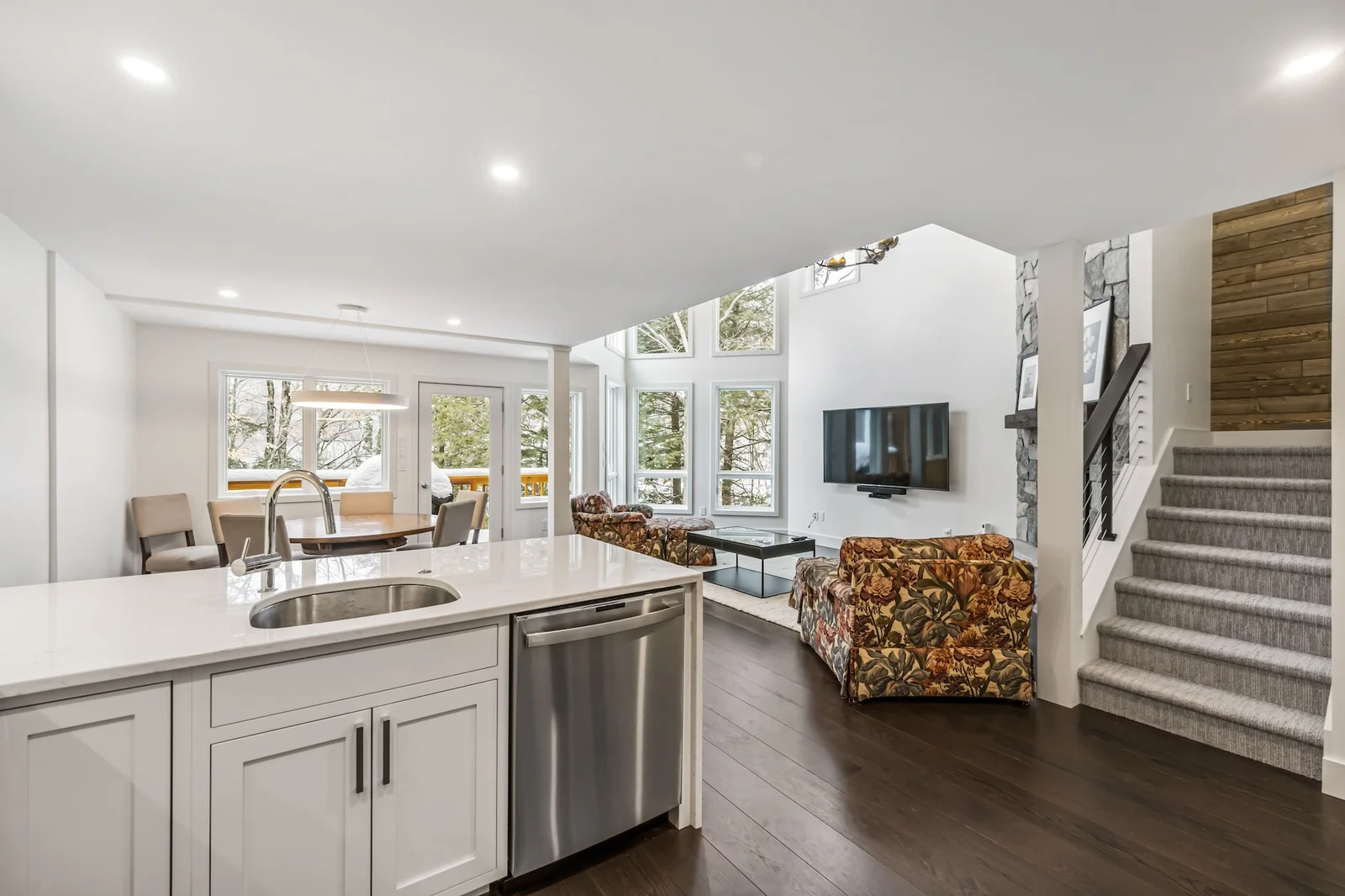
Creating a home that seamlessly blends aesthetic appeal with practical functionality represents one of the most rewarding challenges in residential design. Here’s the thing, modern homeowners don’t have to choose between a beautiful space and one that works for their daily lives. Today’s design philosophy embraces something refreshing true elegance that emerges when form follows function, and both elements work in harmony rather than fighting for dominance. Understanding how to achieve this balance requires careful consideration of spatial planning, material selection, lifestyle requirements, and personal taste.
Understanding Your Lifestyle Requirements
The foundation of any successful home design begins with an honest look at how you actually live in your space. Before you even think about painting colors or furniture styles, take time to evaluate your daily routines, family dynamics, entertainment habits, and long-term needs. Do you work from home and need dedicated office space that actually helps you focus? Do you love hosting friends and need versatile entertaining areas that can adapt to the fly? Maybe you have specific hobbies that demand specialized rooms or clever storage solutions. A family with young children will have vastly different functional requirements than empty nesters or busy working professionals, and there’s no one-size-fits-all approach.
Strategic Space Planning and Layout Optimization
Effective space planning forms the backbone of functional home design and directly impacts both usability and visual appeal. The arrangement of rooms and the flow between spaces should feel intuitive, with clear pathways that connect related areas in a way that just makes sense. Open floor plans have gained tremendous popularity because they facilitate natural movement and social interaction, though they do require careful zoning to prevent spaces from feeling undefined or chaotic. Consider sight lines from various vantage points, you want to ensure visually appealing views and maintain that sense of openness without sacrificing privacy where it’s genuinely needed.
Material Selection for Beauty and Durability
Choosing materials that satisfy both aesthetic preferences and practical demands ensures your home maintains its appeal for years down the road. Flooring options illustrate this delicate balance perfectly, while pristine white marble might look absolutely luxurious at first glance, it demands extensive maintenance and shows wear distressingly fast in high-traffic areas. Hardwood floors offer that timeless beauty combined with genuine durability, though engineered options provide similar aesthetics with enhanced moisture resistance for kitchens and bathrooms where traditional hardwood might struggle. Countertop materials should withstand daily use while complementing your overall design scheme, with quartz emerging as a favorite for combining beauty with remarkably low maintenance requirements. Upholstery fabrics need to strike that tricky balance between visual appeal and real-world stain resistance and durability, especially in homes with children or pets who don’t care about your design budget. Consider the longevity of trendy finishes versus classic choices that remain stylish through ever-changing design trends, it’s a decision with long-term implications. Natural materials like stone, wood, and leather often age gracefully, developing character rather than simply showing wear and tear. When planning custom residences, homeowners who need to build high-end properties often rely on luxury home construction to ensure these quality materials are specified and installed correctly from the foundation. The investment in quality materials pays dividends through reduced replacement costs and sustained visual appeal that doesn’t fade after a few years. Color selections should consider both current preferences and future flexibility, with neutral foundations allowing easier updates through accessories and accent pieces when you’re ready for a refresh.
Color Schemes and Visual Harmony
Creating a cohesive color palette throughout your home establishes visual continuity while still allowing individual rooms to express their own unique personalities. Start with a foundation of neutral tones that provide flexibility and timelessness; you won’t regret having a versatile backdrop when trends shift. Then layer in accent colors that genuinely reflect your personal style and energize the space in ways that feel authentic to you. Consider how natural light affects color perception throughout the day, north-facing rooms often benefit from warmer tones that compensate for cooler light, while south-facing spaces can handle cooler hues more successfully.
Furniture Selection and Arrangement Principles
Selecting furniture that balances style with functionality requires considering scale, proportion, comfort, and visual weight within each space, it’s more complex than it initially seems. Measure rooms carefully before purchasing pieces to ensure appropriate sizing, because furniture that’s too large overwhelms spaces and makes them feel cramped, while undersized pieces look insignificant and fail to serve their purpose effectively. Consider traffic patterns when arranging furniture, maintaining clear walkways of at least thirty-six inches for comfortable movement that doesn’t have people constantly squeezing past chair corners. Create genuine conversation areas by positioning seating to facilitate natural interaction rather than forcing people to shout across rooms or crane their necks uncomfortably just to chat.
Lighting Design for Ambiance and Functionality
Thoughtful lighting design transforms spaces and represents one of the most impactful yet frequently underutilized aspects of home design that deserves more attention. Layer different types of lighting to serve various needs and create flexibility throughout the day, ambient lighting provides that crucial overall illumination, task lighting supports specific activities like reading or food prep, and accent lighting highlights architectural features or artwork you want to showcase. Natural light should be maximized through strategic window placement and minimal window treatments where privacy permits, because nothing beats actual sunlight for mood and energy. Dimmer switches offer invaluable control over both mood and energy consumption, allowing bright illumination when you’re tackling projects and softer lighting when you’re ready to unwind.
Conclusion
Achieving that perfect balance between style and function in home design requires intentional planning, honest self-assessment, and genuine willingness to prioritize long-term satisfaction over fleeting trends that’ll look dated in a few years. The most successful homes authentically reflect their inhabitants’ lifestyles while showcasing personal aesthetic sensibilities through thoughtful material selections, cohesive color schemes, and strategic space planning that works. By investing time in understanding your genuine needs and making informed decisions about layouts, finishes, furniture, and lighting, you create spaces that don’t just look beautiful, they genuinely enhance daily living in tangible ways. Remember that home design isn’t about achieving some impossible perfection captured in magazine spreads, it’s about creating environments that support, inspire, and bring real joy to the people who live within them.
For homeowners looking to explore more ideas on home design, lifestyle improvements, and practical living solutions, trusted online resources can be incredibly helpful. Platforms like My Blogs Network offer a wide range of informative articles covering home décor, functionality, and everyday living tips. Exploring such content can inspire better design decisions and help create spaces that are both beautiful and truly functional.