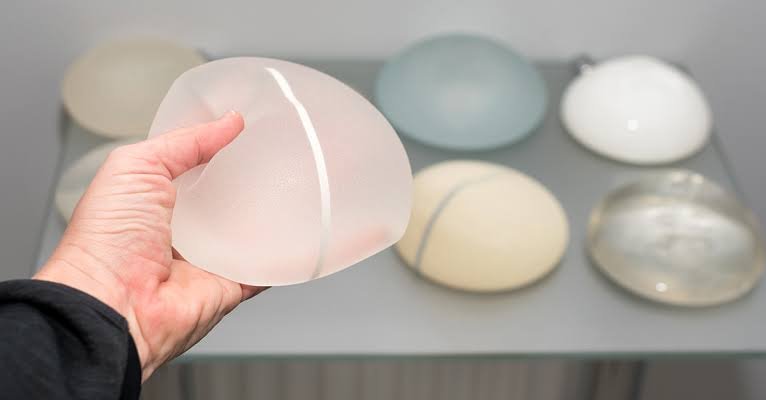
Breast implant surgery is one of the most commonly performed cosmetic procedures in the UK. While many people are pleased with their results, others experience ongoing health concerns they believe are linked to their implants. One condition that has received increasing attention in recent years is Breast Implant Illness (BII).
BII is a term used to describe a wide range of symptoms that some people report after receiving breast implants. Although BII is not currently recognised as a formal medical diagnosis and there is no definitive test to confirm it, many people describe experiencing symptoms that have a significant impact on their quality of life.
Research into BII is ongoing, and medical experts continue to investigate its possible causes. At the same time, it is important to understand that while BII itself is not currently considered a recognised complication that forms the basis of a medical negligence claim, there are other circumstances where negligent breast surgery or inadequate aftercare may entitle someone to make a breast surgery negligence claim for compensation.
What Is BII?
BII is an umbrella term used to describe a collection of symptoms that some people experience after breast implant surgery. The symptoms can affect multiple systems within the body and vary considerably from one person to another.
Unlike recognised medical conditions, BII does not have an agreed set of diagnostic criteria. As a result, healthcare professionals often assess people by considering their symptoms, medical history and by ruling out other possible causes.
Awareness of BII has grown considerably in recent years, with increasing numbers of people sharing their experiences and researchers working to better understand the condition. However, because there is currently no single test or confirmed biological marker for BII, it remains an area of active medical research.
It is also difficult to determine exactly how many people experience BII. Some people develop symptoms shortly after surgery, while others report symptoms several years after receiving implants.
Symptoms of BII
People who believe they are living with BII report a wide range of symptoms. These can develop gradually or appear suddenly and may fluctuate over time.
Commonly reported BII symptoms include:
- Persistent fatigue
- Joint or muscle pain
- Brain fog, memory problems or difficulty concentrating
- Headaches
- Hair loss
- Dry eyes or dry mouth
- Skin rashes
- Anxiety or low mood
- Sleep disturbances
- Digestive problems
- Hormonal changes
- Swollen lymph nodes
- Chest discomfort
The severity of symptoms varies significantly between individuals. For some people, symptoms are mild and manageable, while others find they interfere with work, family life, exercise and everyday activities. Living with unexplained symptoms can also affect emotional wellbeing, particularly when it takes time to identify a possible cause.
What causes BII?
At present, there is no confirmed explanation for what causes BII. Researchers continue to investigate why some people develop symptoms while many others with breast implants do not.
Several theories have been proposed, although none have been conclusively proven. These include:
- An immune system response: one theory suggests that breast implants may trigger an immune response in some people, causing widespread symptoms throughout the body.
- Chronic inflammation: some researchers believe implants may contribute to ongoing inflammation, which could potentially explain symptoms such as fatigue, joint pain and muscle aches.
- Silicone particle migration: although modern implants are designed to be durable, some experts have investigated whether microscopic silicone particles may migrate outside the implant shell and contribute to symptoms. Further research is needed to establish whether this occurs and, if so, whether it has any clinical significance.
- Biofilm formation: another theory involves biofilms, which are thin layers of bacteria that can develop on the surface of implants. Researchers are investigating whether these bacteria may contribute to chronic inflammation in some individuals.
- Genetic susceptibility: some experts believe certain people may have a genetic predisposition that makes them more likely to develop inflammatory or immune responses following implantation.
While these theories continue to be explored, there is currently no single accepted cause of BII.
How is BII diagnosed?
There is currently no specific test that can diagnose BII.
Instead, healthcare professionals will usually begin by reviewing a person’s symptoms, medical history and any previous breast surgery. Blood tests, imaging scans and other investigations may be recommended to rule out autoimmune conditions, infections, thyroid disorders or other illnesses that could explain the symptoms.
Because the reported symptoms of BII overlap with many other health conditions, diagnosis can sometimes take time. Anyone experiencing persistent or unexplained symptoms should seek medical advice to ensure appropriate investigations are carried out.
Treatment for BII
As there is no confirmed cause of BII, treatment is usually tailored to each person’s individual symptoms.
This may include medication to manage pain or inflammation, treatment for specific medical conditions that are identified during investigations and referrals to appropriate specialists where necessary.
Some people decide to undergo breast implant removal, also known as explant surgery. There are reports of people experiencing an improvement in symptoms following implant removal. However, current evidence shows that outcomes vary considerably, and symptom improvement cannot be guaranteed.
Anyone considering explant surgery should discuss the potential benefits and risks with an appropriately qualified healthcare professional before making a decision.
Other recognised complications following breast implant surgery
Although BII remains an area of ongoing research, there are several recognised complications that can occur following breast implant surgery.
These include:
- Symmastia, where implants sit too close together or appear to merge
- Areola stretching or distortion
- Significant asymmetry
- Implant displacement or malposition
- Implant rippling caused by poor placement or unsuitable implant choice
- Excessive or inappropriate scarring
- Nerve damage caused by surgical error
- Persistent pain linked to poor surgical technique
- Implant rupture caused by surgical damage
- Haematoma or seroma that was not properly treated
- Infection caused by poor surgical standards or inadequate aftercare
- Unsuitable implant size or placement
While some complications are recognised risks of surgery, they do not necessarily mean negligent treatment occurred.
When could a breast surgeon be negligent?
Not every poor outcome or complication following breast implant surgery is the result of negligence. However, if the standard of care provided fell below what would reasonably be expected and this caused avoidable harm, it may be possible to bring a medical negligence claim.
Examples of negligent treatment may include:
- Failure to obtain informed consent: patients should receive clear information about the risks, benefits and alternatives before deciding to undergo surgery. If significant risks were not properly explained, informed consent may not have been obtained.
- Poor surgical technique: avoidable surgical errors, incorrect implant placement or unnecessary damage to surrounding tissues may indicate that appropriate standards of care were not followed.
- Choosing an unsuitable implant: surgeons should recommend implants that are appropriate for the individual, taking account of their anatomy, medical history and treatment goals.
- Failure to diagnose or treat complications: prompt recognition and treatment of complications such as infection, implant rupture or significant bleeding is essential. Delays that result in avoidable harm may amount to negligence.
- Inadequate aftercare: patients should receive appropriate follow-up care after surgery. Failing to investigate ongoing symptoms, provide suitable advice or arrange further treatment where necessary may represent substandard care.
While BII itself is not currently regarded as a recognised basis for a medical negligence claim, there are well-established complications associated with breast implant surgery. If negligent treatment, poor surgical technique or inadequate aftercare has caused avoidable harm, it may be possible to claim compensation.
Anyone experiencing persistent symptoms following breast implant surgery should seek appropriate medical advice to identify the cause of their symptoms and discuss the most suitable treatment options.