
Introduction
Land development is a complex process that begins long before any construction or agricultural work takes place. One of the most important initial stages is preparing the ground so it is suitable for safe, stable, and efficient use. Natural landscapes often include dense vegetation, trees, rocks, uneven terrain, and debris that must be managed properly before any project can begin. This preparation stage ensures that the land is functional and safe for future development activities. Land clearing is the structured process of removing unwanted natural and man-made obstacles from a site to make it ready for construction, farming, or infrastructure development. It is not just about removing trees or plants but involves careful planning, evaluation, and execution using the right techniques and machinery. When done correctly, it creates a clean and stable foundation for long-term development. Poor execution, however, can lead to soil erosion, environmental damage, and structural issues in future construction. Proper land preparation ensures that all risks are identified and managed before work begins. It also improves accessibility for machinery and workers, making the entire project more efficient and organized.
Importance of Proper Site Preparation
Site preparation is one of the most essential steps in any development project because it determines the success of everything that follows. Without proper preparation, construction and agricultural activities can face delays, safety risks, and structural instability. Land clearing ensures that the ground is free from obstacles that could interfere with project execution. It creates a smooth and stable surface that supports buildings, roads, and other infrastructure. Proper preparation also helps identify soil conditions, drainage patterns, and terrain stability. These factors are critical for engineers and planners when designing structures. Land clearing reduces the risk of future issues such as foundation cracks, water accumulation, and uneven settling. It also improves efficiency by allowing construction machinery to operate without obstruction. Removing vegetation and debris helps reduce pest activity and fire hazards in the area. A properly prepared site leads to faster progress and fewer complications during development. Overall, site preparation is a key foundation for long-term project success.
Planning and Assessment Before Execution
Before any physical work begins, careful planning and detailed assessment of the land are necessary. Every site has unique characteristics that must be studied to ensure safe and efficient execution. Land clearing begins with a thorough survey of the area to evaluate vegetation density, soil quality, slope, and environmental sensitivity. This assessment helps determine the most suitable method for clearing the land. Planning also includes identifying potential hazards such as unstable soil, underground utilities, or protected natural features. Weather conditions must be considered because they can significantly affect safety and productivity. A structured plan outlines the sequence of operations, required equipment, and safety procedures. Proper planning ensures that resources are used efficiently and unnecessary damage is avoided. It also helps reduce operational costs and time delays. Risk assessment plays an important role in preventing accidents during execution. A well-organized plan ensures that every step of the process is controlled and predictable.
Machinery and Equipment Used in Modern Projects
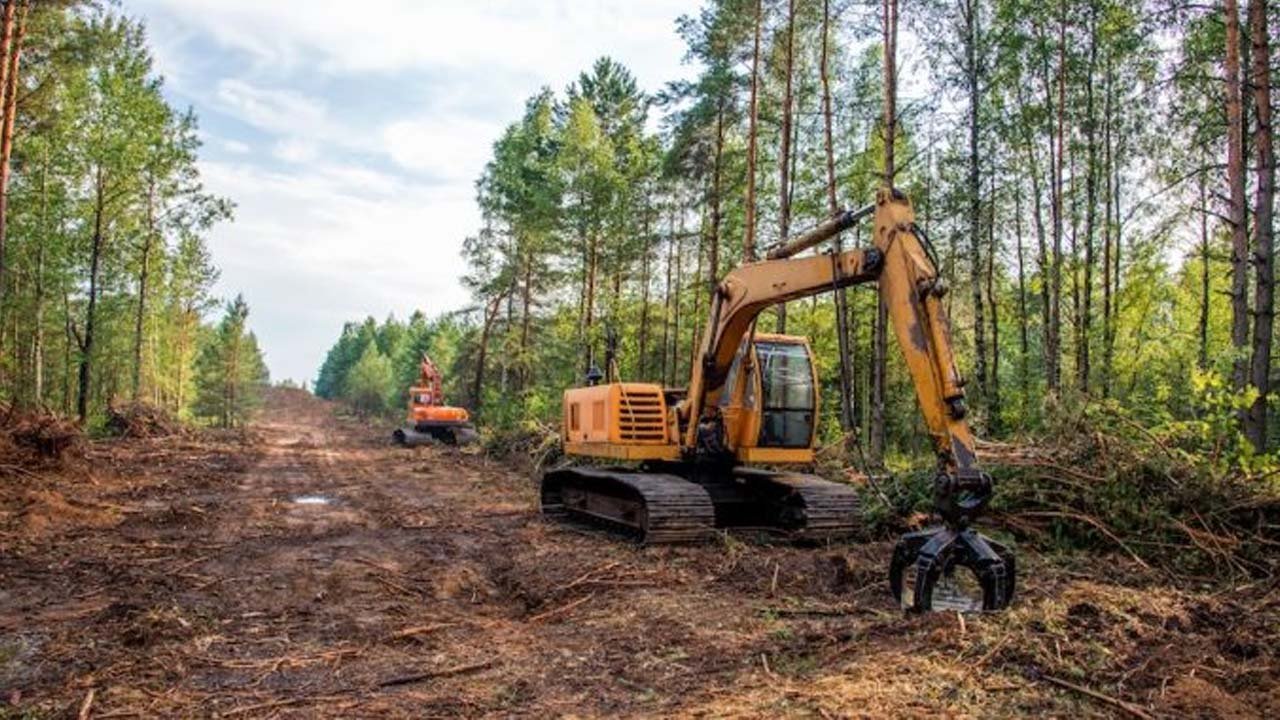
Modern development projects depend heavily on advanced machinery and equipment to complete tasks efficiently and safely. The type of equipment used depends on the size, terrain, and complexity of the site. Bulldozers, excavators, loaders, chainsaws, and mulchers are commonly used for large-scale operations. Land clearing becomes significantly faster and more effective when the right machinery is used. Heavy equipment is used to remove trees, stumps, rocks, and dense vegetation with precision and speed. Smaller tools are used for detailed work in sensitive areas where machinery cannot be applied. Proper maintenance of equipment is essential to ensure smooth and safe operations. Skilled operators are required to handle machinery effectively and prevent accidents. In some cases, specialized attachments are used to grind or shred vegetation on-site. GPS and modern surveying tools improve accuracy and reduce errors during operations. The correct selection of machinery ensures productivity, safety, and high-quality results.
Safety Measures and Risk Control
Safety is one of the most important aspects of any land development activity. Without proper precautions, serious accidents can occur during clearing operations. Land clearing requires strict adherence to safety protocols to protect workers, equipment, and surrounding areas. Protective gear such as helmets, gloves, boots, and safety glasses must always be used. Work zones should be clearly marked to prevent unauthorized access during operations. Communication between team members is essential for safe and coordinated execution. Only trained professionals should operate heavy machinery to minimize risks. Weather conditions must be continuously monitored to avoid unsafe working environments. Emergency procedures should be in place to handle unexpected situations. Regular safety training helps workers understand risks and prevention techniques. Proper supervision ensures that all safety guidelines are followed correctly. A safe environment is essential for smooth and efficient project completion.
Environmental Responsibility and Sustainable Practices
Modern development projects must balance construction needs with environmental protection. While land clearing is necessary for progress, it should be done responsibly to minimize ecological impact. Trees, plants, and soil ecosystems play an important role in maintaining environmental balance. Selective clearing methods are often used to preserve valuable vegetation while removing only necessary obstacles. Soil conservation techniques help prevent erosion and maintain long-term fertility. Waste materials such as wood and organic debris can be recycled or repurposed. Proper drainage planning ensures that natural water flow is not disrupted. Environmental regulations must always be followed to ensure compliance with legal standards. Sustainable practices help reduce long-term environmental damage. Responsible clearing ensures that development does not come at the cost of ecological destruction. Protecting natural resources is essential for future generations.
Step-by-Step Clearing Process
The land development process involves several structured stages that must be followed carefully. It begins with surveying the site and marking boundaries to define the working area. Land clearing typically starts with removing small vegetation such as grass and shrubs. Larger trees and obstacles are then removed using specialized machinery and controlled techniques. Stumps and roots are extracted to create a stable and level surface. Once major obstacles are cleared, the land is graded and shaped according to project requirements. Debris is collected and either disposed of or recycled based on the plan. Drainage systems may also be installed or adjusted during this stage. Each step must be performed in a controlled and systematic manner. Proper sequencing ensures efficiency and reduces operational risks. A well-executed process creates a ready-to-use site for development.
Common Challenges in Land Development
Land development projects often face various challenges that can affect progress and efficiency. Dense vegetation, uneven terrain, and rocky soil conditions make operations more difficult. Land clearing in such environments requires experienced operators and specialized machinery. Weather conditions such as heavy rain or extreme heat can slow down progress significantly. Environmental restrictions may limit the extent of clearing in certain areas. Unexpected underground obstacles can also cause delays during execution. Equipment breakdowns may impact timelines and increase costs. Proper planning and experience help overcome these challenges effectively. Flexibility in execution is important to adapt to changing conditions. Skilled teams are better equipped to handle complex situations. Effective management ensures successful completion despite difficulties.
Professional Services vs Independent Work
Land development can be carried out either by professional services or individuals depending on project size and complexity. Professional companies provide trained experts, advanced machinery, and structured processes for large-scale operations. Land clearing performed by professionals is generally safer, faster, and more reliable. They follow strict safety standards and ensure compliance with regulations. Independent work may be suitable for small-scale projects but carries higher risks without proper expertise. Professionals are better equipped to handle complex or hazardous environments. While professional services may involve higher costs, they reduce long-term risks and ensure better results. Choosing the right approach depends on safety requirements and project complexity. Professional handling is strongly recommended for large or critical projects. Expert services ensure accuracy, efficiency, and reliability.
Long-Term Benefits of Proper Land Management
Proper land management provides several long-term advantages for construction, agriculture, and infrastructure development. Well-prepared land ensures a stable foundation for future structures. Land clearing improves usability and increases accessibility for development activities. It helps reduce safety hazards by removing dangerous obstacles. Proper management supports better drainage and soil stability. It also reduces maintenance costs over time. Long-term planning ensures sustainable use of land resources. Environmental balance is maintained through responsible practices. Properly managed land increases property value and development potential. Overall, it contributes to safer and more efficient project outcomes.
Conclusion
Land preparation is a critical step in any development process that requires careful planning, proper execution, and environmental awareness. It ensures that the ground is safe, stable, and ready for construction or agricultural use. Land clearing plays a central role in removing obstacles and preparing the site for efficient development. When performed correctly, it improves safety, productivity, and long-term sustainability. Responsible practices ensure that environmental impact is minimized while achieving project goals successfully.
