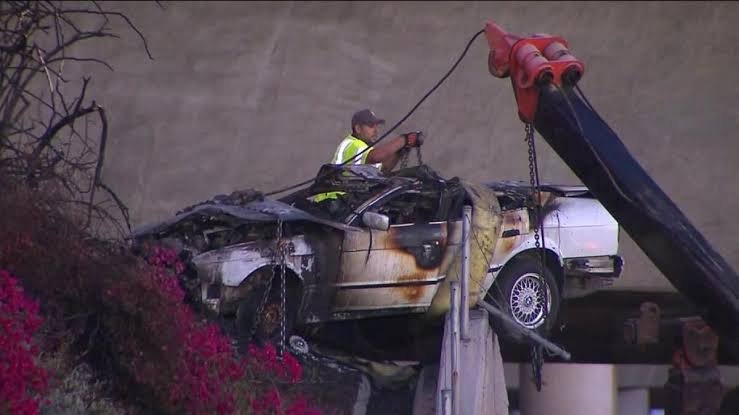
Cars with advanced driver assistance technology are becoming more common on Irvine roads. Features may help steer, maintain speed, keep a vehicle centered in a lane, or brake when a danger is detected. When a crash occurs while one of these systems is active, determining what went wrong can be more complicated than in an ordinary collision. An Irvine car accident lawyer can investigate the driver’s actions, the technology in use, vehicle data, and other evidence that may help explain the crash.
The term “semi autonomous” is commonly used, but it can create confusion. Many vehicles marketed with advanced features still require a human driver to supervise the road and remain ready to take control.
Driver Assistance Is Not the Same as a Driverless Car
One of the first questions after a crash is what technology the vehicle was actually using.
Some vehicles provide features such as:
- Adaptive cruise control
• Lane centering
• Automatic emergency braking
• Blind spot warnings
• Steering assistance
• Highway driving assistance
A system that controls both steering and speed may feel highly automated. However, NHTSA explains that Level 2 driving automation still requires the human driver to remain responsible for driving and to supervise the system continuously.
This is different from a genuinely driverless vehicle operating under an authorized autonomous vehicle program. California regulates testing and deployment of autonomous vehicles through specific DMV permit categories.
Understanding this difference is important when investigating responsibility for a collision.
The Driver’s Actions Still Matter
When a driver assistance system is active, the driver’s conduct remains a major part of the investigation.
Important questions may include:
- Was the driver watching the road?
• Were the driver’s hands required to be on the wheel?
• Did the system issue a warning?
• Did the driver respond to the warning?
• How long did the driver have to take control?
• Was the driver distracted?
The driver may argue that the vehicle failed to react properly. Another party may claim that the driver relied too heavily on the technology.
The evidence should be reviewed before either explanation is accepted.
The National Transportation Safety Board has investigated serious crashes involving partial driving automation and has repeatedly examined driver supervision and overreliance on automation as safety issues.
Vehicle Data May Help Explain What Happened
Modern vehicles can generate information that becomes important after a crash.
Depending on the vehicle and the circumstances, an investigation may examine:
- Whether a driver assistance feature was active
• Vehicle speed
• Braking activity
• Steering input
• Driver warnings
• System disengagement
• The timing of the collision
Some vehicles may contain more relevant electronic information than others.
An attorney should consider whether important data needs to be preserved before the vehicle is repaired, sold, destroyed, or altered.
The investigation may also require information about the specific system and software operating in the vehicle at the time of the accident.
Software Versions Can Become Part of the Investigation
Vehicle technology can change through software updates.
The same model of vehicle may operate differently depending on:
- The software version installed
• Available features
• Driver selected settings
• Whether an update was completed
• The conditions in which the system was designed to operate
This means identifying the vehicle make and model may not be enough.
An attorney may need to determine exactly what technology was available and active when the collision occurred.
Marketing names can also create confusion. A feature name that sounds highly automated does not necessarily mean the vehicle can safely operate without driver supervision.
Cameras and Video Can Show Whether the Driver Was Paying Attention
Video evidence may be especially important in a semi autonomous vehicle crash.
Possible sources include:
- Vehicle cameras
• Dashcams
• Nearby businesses
• Traffic cameras
• Other drivers
• Residential security systems
Video may show whether the vehicle stayed within its lane, whether another car suddenly entered its path, or whether the driver responded before impact.
Interior footage, when available, may also become relevant to whether the driver was looking at the road.
Evidence can disappear quickly. A nearby business may not keep surveillance recordings indefinitely, and a damaged vehicle may be repaired before its data is fully investigated.
These Crashes Can Involve Several Possible Causes
A crash involving advanced technology should not automatically be blamed entirely on the driver or entirely on the vehicle.
Possible issues may include:
- Driver distraction
• Overreliance on automation
• Failure to respond to warnings
• Another driver’s negligence
• A system limitation
• A sensor or component problem
• A possible product defect
Some crashes involve more than one contributing cause.
For example, another driver may make an unsafe lane change while the automated feature fails to respond as expected and the supervising driver reacts too late.
The attorney should investigate the complete sequence instead of starting with a predetermined theory.
More Than One Party May Need to Be Investigated
Depending on the facts, a semi autonomous vehicle crash may involve claims against different parties.
Potentially responsible parties may include:
- Another negligent driver
• The owner of a vehicle
• A driver’s employer
• A rideshare or delivery company
• A vehicle manufacturer
• A component manufacturer
The existence of advanced technology does not automatically create a claim against the manufacturer.
There must be evidence supporting the legal theory being pursued. In some cases, the evidence may show that the technology had little or nothing to do with the collision. In others, the vehicle system may require much closer examination.
Insurance Companies May Oversimplify the Crash
An insurance company may try to fit a complicated accident into a simple explanation.
An adjuster may argue that:
- The human driver was entirely responsible
• The technology was entirely responsible
• The injured person caused the crash
• The system was not active
• The driver should have taken control sooner
These conclusions may be reached before all relevant evidence has been collected.
An attorney can compare the insurer’s position with vehicle data, photographs, video, witness statements, police reports, and other available information.
Serious Injuries Can Increase the Importance of a Detailed Investigation
Semi autonomous vehicle crashes can occur on freeways and other higher speed roads.
Irvine is served by major routes including I 5, I 405, and nearby state routes, where serious collisions can involve significant forces and multiple vehicles.
Injury claims may involve:
- Traumatic brain injuries
• Spinal injuries
• Fractures
• Internal injuries
• Surgery
• Permanent physical limitations
• Future medical care
When the injuries are serious, identifying every responsible party and available source of compensation can become especially important.
Preserving the Vehicle Can Be Critical
A damaged vehicle may contain evidence that cannot be recreated later.
Before major repairs or destruction, an attorney may consider whether the vehicle needs to be inspected.
Important evidence may include:
- Physical damage
• Electronic data
• Sensors
• Cameras
• System warnings
• Software information
The other vehicles involved may also contain relevant evidence.
Preservation can be particularly important when the parties disagree about whether an automated feature was active or how the vehicle responded before impact.
Contact an Irvine Car Accident Lawyer After a Semi Autonomous Vehicle Crash
An Irvine car accident lawyer handling a crash involving semi autonomous technology should investigate more than the final moment of impact. The attorney may need to examine driver conduct, vehicle data, software, warnings, video evidence, and whether more than one party contributed to the accident.
Bojat Law Group represents people injured in serious car accidents throughout Irvine, Orange County, and Southern California. The firm handles freeway crashes, rear end collisions, multi car accidents, truck accidents, motorcycle crashes, Uber and Lyft accidents, pedestrian accidents, catastrophic injuries, traumatic brain injuries, and wrongful death cases.
Bojat Law Group has recovered more than $100 million for clients and offers free consultations 24 hours a day, 7 days a week.
Call Bojat Law Group at (818) 877-4878 to discuss your Irvine car accident case. There is No Win No Fee, which means you pay no attorney fee unless compensation is recovered.