
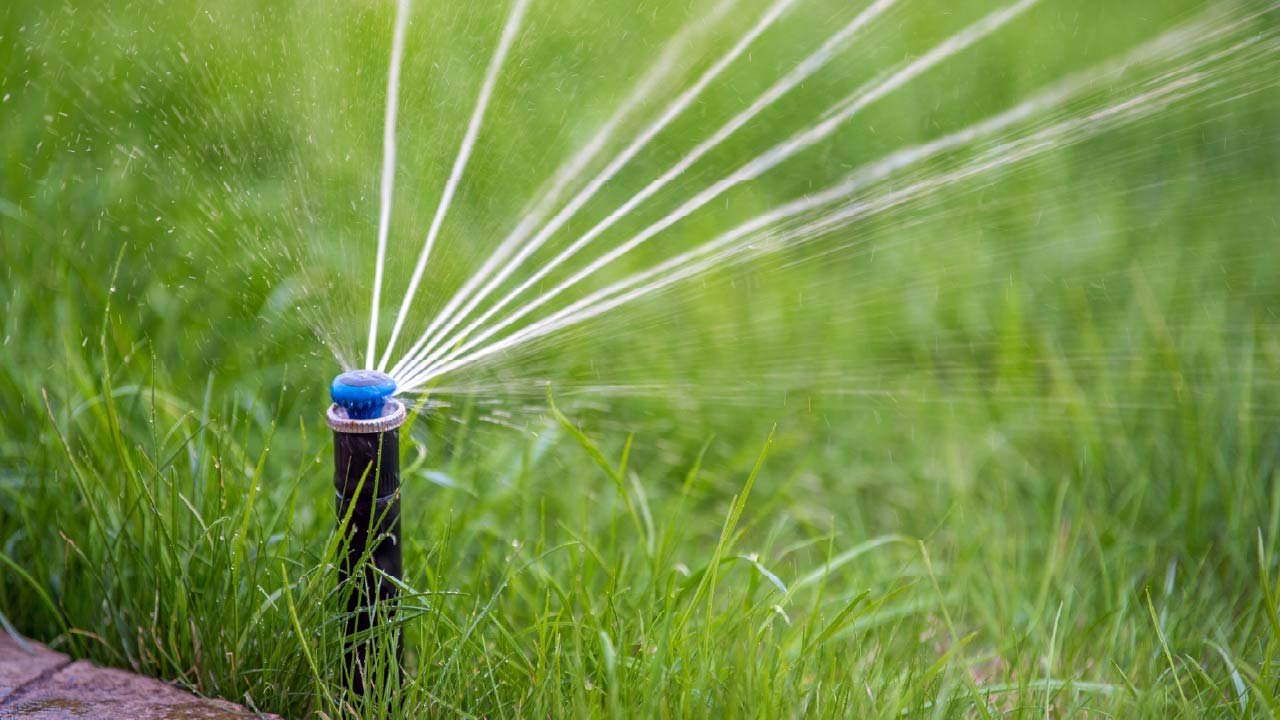
A well-maintained irrigation system plays an essential role in keeping lawns, gardens, and landscaped areas healthy and visually appealing throughout the year. After a long period of inactivity during colder months or off-seasons, irrigation systems require careful inspection and proper reactivation before they can function efficiently again. This process ensures that all components are working correctly and that water is distributed evenly across all zones without leaks, blockages, or pressure issues. Proper system preparation is especially important because any unnoticed damage or wear can lead to water waste, uneven irrigation, or costly repairs later in the season. This is why the process of sprinkler start up is considered a critical step in seasonal landscape maintenance. It allows property owners to restore full system performance, protect plant health, and ensure efficient water usage from the beginning of the watering season. Without proper preparation, irrigation systems may fail to deliver consistent results, leading to dry patches, overwatering, or system inefficiency.
Importance of Seasonal Irrigation System Preparation
Seasonal irrigation preparation is necessary because sprinkler systems remain inactive for extended periods during colder weather or off-seasons. During this time, water remaining in pipes can freeze, expand, and cause cracks or damage to system components. Dirt, debris, and environmental buildup may also accumulate inside sprinkler heads and pipes. When the system is turned on without inspection, these issues can lead to leaks, uneven water distribution, and reduced efficiency. Proper preparation ensures that every part of the system is carefully checked and tested before full operation begins. This process allows property owners to identify hidden issues early and prevent major failures later in the season. A properly executed sprinkler start up ensures that the entire irrigation system is ready to perform efficiently, reducing the risk of damage and improving long-term reliability.
Step-by-Step System Inspection Process
Before activating an irrigation system, a detailed inspection is required to ensure all components are functioning properly. This includes checking sprinkler heads for cracks, blockages, or misalignment. Pipes must be examined for leaks or visible damage, especially in areas exposed to freezing conditions. Valves should be tested to confirm they open and close correctly without pressure loss. The controller system must also be reviewed to ensure watering schedules are accurate and properly configured. Electrical connections and wiring should be inspected for safety and functionality. Each zone of the irrigation system should be tested individually to confirm proper water distribution. This careful inspection process helps identify issues early and ensures that the sprinkler start up process is completed safely and effectively without causing further damage to the system.
System Pressurization and Activation Process
Once the inspection is complete, the irrigation system must be gradually pressurized to avoid sudden damage to pipes and components. Rapid water flow can cause stress on joints and fittings, especially if the system has been inactive for a long period. Slowly opening the main valve allows water to enter the system evenly, reducing the risk of pressure shock. Each irrigation zone should be activated one at a time to monitor performance and identify any irregularities. During this process, technicians look for leaks, uneven spray patterns, or malfunctioning sprinkler heads. Any issues discovered must be addressed immediately to ensure proper system functionality. A controlled and careful approach during sprinkler start up helps protect the irrigation system and ensures that it operates smoothly throughout the watering season.
Common Problems Identified During System Reactivation
When irrigation systems are reactivated after long periods of inactivity, several common problems may arise. One of the most frequent issues is clogged sprinkler heads caused by dirt, debris, or mineral buildup. This restricts water flow and leads to uneven watering patterns across the landscape. Cracked or broken pipes are also common, especially in systems exposed to freezing temperatures. These leaks can cause water loss and soil damage if not repaired promptly. Misaligned sprinkler heads may result in water being sprayed onto sidewalks, driveways, or other non-landscaped areas. Faulty valves can prevent proper zone activation, while controller malfunctions may disrupt watering schedules. Identifying and fixing these problems during sprinkler start up ensures that the system is fully functional before regular use begins.
Importance of Proper Water Distribution
Even and efficient water distribution is essential for maintaining healthy landscapes. When irrigation systems are not properly calibrated, some areas may receive too much water while others remain dry. This imbalance can lead to patchy grass, weak plant growth, and soil erosion. Overwatering can also encourage fungal growth and root damage, while underwatering causes plants to dry out and become stressed. Proper system activation ensures that all sprinkler heads are correctly adjusted and that water is evenly distributed across all zones. During sprinkler start up, technicians carefully monitor spray patterns and make necessary adjustments to ensure balanced irrigation. This helps maintain healthy soil conditions and supports consistent plant growth throughout the season.
Water Efficiency and Environmental Responsibility
Efficient water usage is a key component of modern irrigation practices. Poorly maintained systems often waste large amounts of water due to leaks, incorrect pressure settings, or malfunctioning components. This not only increases utility costs but also negatively impacts the environment by depleting valuable water resources. Proper system activation ensures that water is used efficiently and only where it is needed. Adjusting sprinkler heads, checking pressure levels, and repairing leaks all contribute to reducing water waste. A properly managed sprinkler start up process helps improve overall system efficiency and supports sustainable landscaping practices. Responsible water usage benefits both property owners and the environment by conserving resources and reducing unnecessary waste.
Benefits of Professional System Activation
Professional irrigation specialists have the knowledge and tools required to properly activate and inspect sprinkler systems. They can identify hidden issues that may not be visible during a basic inspection. Their expertise allows them to adjust system pressure, clean sprinkler heads, repair leaks, and ensure proper controller settings. Professional services also reduce the risk of damage during system activation by using controlled techniques. Property owners who rely on expert assistance often experience better system performance and fewer maintenance issues throughout the season. A professional approach to sprinkler start up ensures that the irrigation system operates efficiently, safely, and reliably from the beginning of the watering cycle.
Preventing Long-Term System Damage
Proper system activation plays an important role in preventing long-term damage to irrigation components. When systems are turned on without inspection, hidden issues such as leaks or cracks can worsen over time. This can lead to significant water loss, soil erosion, and expensive repairs. Regular inspection and careful activation help identify these problems early, allowing for timely repairs before they escalate. Maintaining system integrity during sprinkler start up helps extend the lifespan of pipes, valves, and sprinkler heads. Preventive maintenance ensures that the irrigation system continues to operate efficiently and reduces the likelihood of unexpected breakdowns during peak usage periods.
Seasonal Maintenance and System Longevity
Seasonal maintenance is essential for ensuring long-term irrigation system performance. Each year, systems must be carefully prepared before use and properly shut down after the watering season ends. This cycle of maintenance helps protect system components from environmental damage and wear. Regular inspections, cleaning, and adjustments ensure that the system remains in good working condition year after year. Proper seasonal care also improves system reliability and reduces the need for frequent repairs. A well-managed sprinkler start up process contributes significantly to extending the lifespan of the entire irrigation system, making it more efficient and cost-effective over time.
Future of Irrigation System Management
Advancements in irrigation technology are improving the way systems are managed and maintained. Smart controllers, moisture sensors, and automated systems allow for more precise water control and efficient scheduling. These technologies help reduce water waste and improve overall system performance. Despite these advancements, manual inspection and proper system activation remain essential for ensuring reliability. Technology can enhance efficiency, but physical system checks are still necessary to identify mechanical issues. As irrigation systems continue to evolve, the importance of proper sprinkler start up procedures will remain a key factor in maintaining healthy and efficient landscapes.
Conclusion
Proper irrigation system activation is a critical step in maintaining healthy landscapes, conserving water, and ensuring long-term system performance. Without careful inspection and preparation, irrigation systems may develop leaks, inefficiencies, and operational problems that affect both plants and water usage. A structured approach to system reactivation ensures that all components are functioning correctly and that water is distributed evenly across all zones. From improving system efficiency to preventing long-term damage, proper maintenance offers significant benefits for property owners. Investing time and attention in a well-executed sprinkler start up process helps ensure reliable irrigation performance throughout the season while supporting healthy, sustainable, and well-maintained outdoor spaces.
