
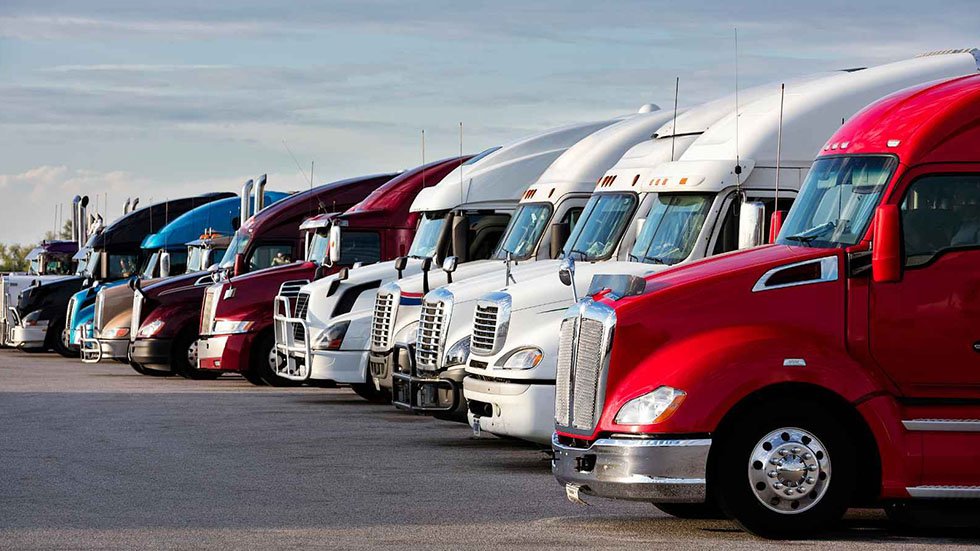
Understanding the Importance of Truck Parking in Transportation Systems
The global supply chain depends heavily on long-haul trucking, which moves goods across cities, regions, and countries every single day. In this system, truck parking is a critical but often overlooked part of logistics infrastructure. It is not just about providing a place for vehicles to stop; it directly impacts road safety, driver health, delivery efficiency, and overall supply chain performance.
As freight demand continues to increase due to e-commerce growth and industrial expansion, the need for safe, accessible, and well-managed truck parking facilities has become more urgent. Without proper parking options, drivers face serious challenges that can affect both compliance with regulations and safety on the road.
Why Truck Parking Is a Growing Global Challenge
One of the main reasons truck parking has become a major issue is the imbalance between increasing freight traffic and limited infrastructure development. The number of commercial trucks on highways has grown significantly, but dedicated parking spaces have not expanded at the same pace.
This shortage creates pressure on drivers who must follow strict driving-hour regulations. These rules require drivers to take mandatory rest breaks to prevent fatigue-related accidents. However, when parking spaces are unavailable, drivers may struggle to find legal and safe locations to rest.
This situation not only affects individual drivers but also disrupts logistics operations, causing delays in deliveries and increasing operational costs for transportation companies.Poor availability of truck parking directly impacts road safety. Driver fatigue is one of the leading causes of accidents involving heavy vehicles, and insufficient rest areas can force drivers to continue driving beyond safe limits.
Another serious issue is illegal roadside parking. When trucks are parked on highways, shoulders, or unauthorized areas, they can create dangerous obstacles for other vehicles. Reduced visibility, limited maneuvering space, and unexpected stops all contribute to higher accident risks.
Security is also a major concern. Trucks often carry valuable goods, and when parked in unsafe locations, they become vulnerable to theft, vandalism, or cargo damage. Properly designed parking facilities help reduce these risks by offering secure, monitored environments.
Common Problems Faced by Truck Drivers
Truck drivers encounter several difficulties when searching for truck parking. One of the most common issues is overcrowding at rest stops. Parking areas often fill up quickly, especially along busy transportation routes and during peak travel hours.
Another major challenge is the lack of real-time information. Many drivers are unaware of available parking spaces until they arrive at a location. This leads to wasted time, unnecessary fuel consumption, and delays in delivery schedules.In some cases, drivers are forced to park in unsafe or unauthorized locations due to a lack of alternatives. This increases stress levels and exposes them to legal penalties, fines, and safety risks.
Modern truck parking facilities are designed to improve safety, efficiency, and driver comfort. One of the most important features is adequate space planning. Parking areas must accommodate different types of trucks, including trailers and long-haul vehicles, without causing congestion or difficulty in maneuvering.
Security systems are also essential. Many facilities include CCTV surveillance, gated entry points, fencing, and on-site security personnel to ensure safety for both drivers and cargo.Driver amenities are another key aspect. Facilities often provide restrooms, showers, food services, and rest lounges. These features help drivers maintain physical and mental well-being during long journeys.Proper lighting, clear signage, and organized layout design further improve usability and safety, especially during nighttime hours.
Technology and Smart Truck Parking Systems
Technology is transforming the way truck parking is managed. Digital platforms and mobile applications now allow drivers to locate available parking spaces in real time, reducing uncertainty and improving route planning.
Some advanced systems use sensors and monitoring tools to track occupancy levels. This data is shared with drivers and logistics companies to optimize travel schedules and reduce congestion.Reservation systems are also becoming more common, allowing drivers to book parking spaces in advance. This ensures guaranteed availability and reduces stress during long-distance trips.
These innovations are making truck parking systems more efficient, reliable, and driver-friendly.The availability of proper truck parking has a direct impact on the efficiency of supply chains and overall economic performance. When drivers can easily find safe parking, they are able to rest properly and continue their routes without unnecessary delays.
This improves delivery timelines and reduces operational costs for logistics companies. It also helps maintain compliance with driving regulations, preventing fines and legal issues.On the other hand, a lack of parking infrastructure leads to inefficiencies such as delayed shipments, increased fuel usage, and reduced productivity. These issues can have a ripple effect throughout the entire supply chain.
Environmental sustainability is becoming an important factor in truck parking development. When drivers spend extra time searching for parking spaces, it leads to unnecessary fuel consumption and increased carbon emissions.
Future of Truck Parking Infrastructure
Modern parking facilities are addressing this issue by improving efficiency and reducing idle time. Some locations are incorporating energy-efficient lighting, solar panels, and eco-friendly construction materials.Better traffic flow within parking areas also helps reduce emissions by minimizing congestion and unnecessary vehicle movement.
The future of truck parking is expected to evolve significantly with advancements in technology and infrastructure investment. As global trade continues to grow, the demand for efficient parking solutions will increase further.
Electric trucks are also influencing future designs, as charging stations will need to be integrated into parking facilities. This will add a new layer of infrastructure requirements.
Conclusion: Why Truck Parking Matters More Than Ever
Smart systems powered by artificial intelligence will likely play a key role in managing parking availability, predicting demand, and improving traffic flow.
Governments and private investors are expected to focus more on building modern, secure, and technology-driven parking facilities.Truck parking is a fundamental part of the transportation industry that directly affects safety, efficiency, and economic performance. Despite its importance, many regions still face shortages of properly designed parking facilities.
Improving truck parking requires collaboration between governments, logistics companies, and infrastructure developers. With better planning and modern technology, it is possible to create safer and more efficient systems for drivers.Ultimately, truck parking is not just about stopping vehicles, it is about supporting the entire supply chain, protecting drivers, and ensuring the smooth movement of goods across regions.
