
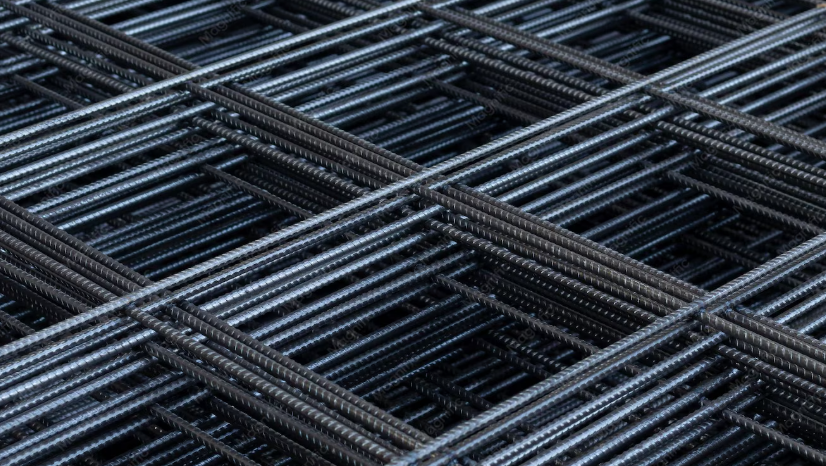
Concrete structures depend on proper reinforcement placement to achieve strength, stability, and durability. Reinforcing steel bars, commonly known as rebar, are used to improve the tensile strength of concrete and help structures withstand various loads and environmental conditions. Construction professionals must space rebar chairs correctly to maintain the required concrete cover and ensure that reinforcement remains properly positioned throughout the pouring process. To ensure that reinforcement remains in the correct position during concrete placement, rebar chairs are commonly used.
Rebar chairs are support devices designed to hold reinforcing bars at a specified height within a concrete slab, footing, wall, or other structural element. While these components may appear simple, their placement has a significant impact on the performance of the finished structure. Incorrect spacing can lead to inadequate concrete cover, reinforcement displacement, and reduced structural integrity.
Understanding how to position and space rebar chairs is an important part of achieving compliant and reliable concrete construction.
What Are Rebar Chairs?
Rebar chairs are supports made from plastic, steel, or other durable materials that elevate reinforcing bars above the formwork or ground. Their primary purpose is to maintain the required distance between the reinforcement and the surface of the concrete.
Concrete cover is essential because it protects reinforcement from moisture, corrosion, fire, and other environmental factors. If reinforcement sits too close to the surface, it may become exposed over time, leading to structural deterioration. Rebar chairs help prevent this issue by keeping reinforcement at the correct height throughout the concrete pouring process.
Different chair designs are available for various applications, including slabs, beams, footings, precast elements, and elevated construction projects. The choice of chair depends on factors such as load requirements, reinforcement layout, and construction specifications.
Why Proper Spacing Matters
The effectiveness of rebar chairs depends not only on their size but also on their spacing. If chairs are placed too far apart, reinforcement may sag or shift during installation and concrete placement. This movement can result in inconsistent concrete cover and compromise the performance of the structure.
Proper spacing provides continuous support across the reinforcement grid. It helps distribute loads evenly and ensures that reinforcement remains in the position specified by engineering drawings.
In addition to maintaining structural requirements, correct chair placement can improve construction efficiency. Workers can install reinforcement with greater confidence when adequate support is provided, reducing the need for adjustments before concrete placement.
Building standards and project specifications often include requirements for reinforcement support systems. Following these guidelines helps ensure compliance with engineering and regulatory expectations.
Factors That Influence Rebar Chair Spacing
Several factors determine the appropriate spacing of rebar chairs within a project. One of the most important considerations is the size and weight of the reinforcing steel. Larger diameter bars generally require more support than smaller bars due to their increased weight.
The type of structure also influences spacing requirements. Suspended slabs, foundations, driveways, and industrial floors may have different support needs depending on loading conditions and reinforcement arrangements.
Construction activities can affect spacing decisions as well. Areas subject to frequent worker traffic during installation may require additional support to prevent reinforcement displacement before concrete is poured.
Environmental conditions and project-specific engineering requirements should also be considered when determining the placement of rebar chairs.
Best Practices for Rebar Chair Placement
Accurate placement begins with reviewing project drawings and reinforcement schedules. These documents provide information regarding reinforcement locations, concrete cover requirements, and support recommendations.
Before installation, the work area should be prepared to provide a stable surface for the chairs. Uneven ground or debris can affect the ability of the supports to maintain proper reinforcement height.
Contractors should also inspect rebar chairs for damage before use. Broken or weakened supports may fail under load, resulting in reinforcement movement during construction.
To maintain reinforcement stability, it is important to space rebar chairs correctly according to engineering specifications and manufacturer recommendations. Proper spacing helps ensure that reinforcement remains secure throughout the concrete placement process and contributes to consistent concrete cover across the structure.
Regular inspections during reinforcement installation can identify potential issues before concrete is poured. Addressing concerns early can reduce costly repairs and help maintain compliance with project requirements.
Common Mistakes to Avoid
Several common mistakes can affect the performance of rebar support systems. One of the most frequent issues is using too few chairs. Insufficient support can allow reinforcement to bend, sag, or shift under its own weight or during construction activities.
Another mistake is selecting the wrong chair size. Chairs that are too short or too tall may create inadequate concrete cover, increasing the risk of durability problems later in the structure’s life.
Poor placement practices can also lead to instability. Chairs positioned on soft or uneven surfaces may settle or tilt, causing reinforcement movement. Ensuring that supports are placed on stable ground can help prevent these issues.
Ignoring project specifications is another avoidable error. Engineering requirements are developed to meet structural performance standards, and deviations can affect the safety and longevity of the finished structure.
Benefits of Proper Rebar Chair Spacing
Correctly spaced rebar chairs provide several advantages throughout the construction process and the life of the structure. They help maintain reinforcement alignment, ensuring that steel remains in the intended position during concrete placement.
Consistent concrete cover enhances protection against corrosion and environmental exposure, contributing to long-term durability. Proper support also improves structural performance by allowing reinforcement to function as intended within the concrete element.
From a construction perspective, stable reinforcement layouts can improve productivity by reducing the need for ongoing adjustments. Contractors can complete installations more efficiently while maintaining quality standards.
In addition, proper spacing supports compliance with engineering specifications, building codes, and project requirements, helping reduce the likelihood of inspection issues or corrective work.
Conclusion
Rebar chairs play a critical role in maintaining the position of reinforcing steel within concrete structures. Their effectiveness depends on selecting the appropriate support type and spacing it according to project requirements. Proper chair placement helps maintain concrete cover, prevent reinforcement movement, and support the structural performance of the finished element. By following engineering specifications, conducting regular inspections, and ensuring adequate support throughout installation, construction professionals can achieve safer, more durable, and compliant concrete structures.