
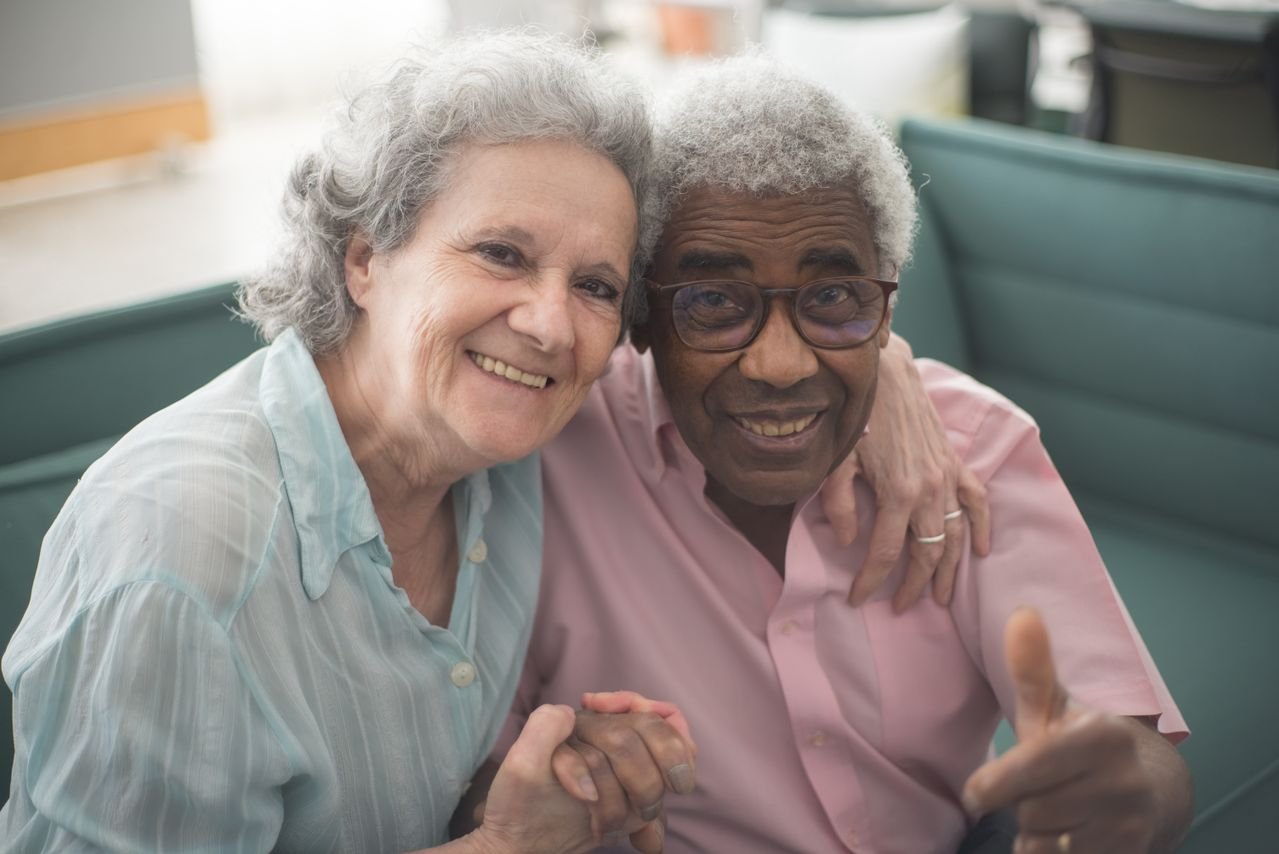
When a loved one needs memory care, families often focus on finding a community that can provide appropriate support and promote well-being. Equally important is finding a place where residents feel comfortable, respected, and connected. Quality memory care communities recognize that creating a sense of familiarity and belonging can positively influence daily experiences for individuals living with Alzheimer’s disease, dementia, and other memory-related conditions. By emphasizing personal choice, meaningful relationships, and supportive surroundings, these communities help residents feel more at ease.
1. Personalized Spaces and Familiar Surroundings
Memory care communities understand that familiar surroundings can provide comfort and reduce uncertainty. Team members often work closely with families to incorporate meaningful belongings, photographs, and treasured keepsakes into residents’ private rooms. Seeing familiar faces, favorite decorations, and personal mementos can encourage recognition and create a stronger sense of connection.
The design of the community also contributes to a welcoming atmosphere. Comfortable furnishings, warm lighting, and thoughtfully decorated common areas help create residential environments that feel inviting and familiar. Many communities also offer secure outdoor courtyards and gardens where residents can relax, socialize, and enjoy time outdoors. These design elements work together to foster a sense of belonging and comfort.
2. Daily Routines That Reflect Personal Preferences
Predictable routines can be especially reassuring for individuals living with memory loss. Quality memory care communities take time to learn about each resident’s preferences, habits, and personal history. This information helps team members create daily experiences that feel familiar and meaningful.
For example, if a resident has always preferred a slower start to the day, team members can often accommodate those preferences when possible. Likewise, communities may adapt schedules to support residents who experience periods of increased confusion or restlessness at certain times of day. By balancing structure with flexibility, memory care communities help residents maintain a sense of comfort while honoring personal choice and individuality.
3. Meaningful Life Enrichment Programs
Engagement plays an important role in emotional well-being and quality of life. Memory care communities offer life enrichment programs that reflect residents’ interests, abilities, and personal experiences. Some residents may enjoy gardening, while others find joy in music, art, storytelling, or sensory experiences.
GLOW® Memory Care in Muscatine, IA organizes life enrichment opportunities around residents’ individual backgrounds, interests, and cognitive abilities, recognizing the unique person behind every diagnosis. Meaningful programming helps create moments of success, enjoyment, and connection throughout the day.
Many communities also offer opportunities for interaction with volunteers, local organizations, and therapy animals. These experiences can encourage social connection and provide residents with enjoyable opportunities to engage with others in a supportive environment.
4. Compassionate, Person-Centered Team Members
A welcoming atmosphere depends greatly on the people who provide support each day. Memory care professionals receive specialized education focused on dementia, communication techniques, and person-centered care approaches. This training helps them understand how to support residents with respect, patience, and compassion.
Beyond professional knowledge, strong relationships between residents and team members contribute significantly to a sense of belonging. Residents often benefit from familiar faces, consistent interactions, and team members who take the time to learn about their interests, preferences, and life experiences. Small moments of connection, whether through conversation, shared laughter, or participation in a favorite program, help residents feel valued and supported.
5. Family Partnerships and Ongoing Communication
Family relationships remain important throughout a person’s memory care journey. Quality communities encourage family involvement and recognize the valuable insight loved ones can provide. Family members are often invited to participate in community events, life enrichment programs, celebrations, and visits that promote meaningful connection.
Regular communication between team members and families helps ensure that residents receive personalized support that reflects their preferences and life history. Families can share information about hobbies, traditions, favorite music, and meaningful experiences that contribute to individualized care planning.
Many communities also maintain ongoing updates regarding a resident’s well-being, helping families feel informed and involved. This partnership supports continuity and reinforces the connections that are important to residents.
Conclusion
Creating a true sense of home in memory care involves more than providing support services. It requires a thoughtful combination of familiar surroundings, personalized routines, meaningful life enrichment programs, compassionate team members, and strong family involvement. When these elements come together, residents can experience comfort, connection, and dignity each day. For families exploring Memory Care options, understanding how communities foster belonging can help identify a setting where a loved one feels welcomed, valued, and supported throughout their journey.
