
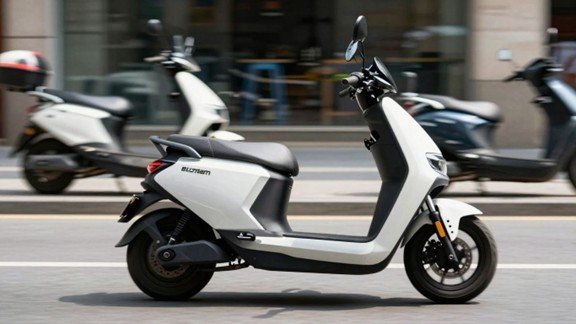
Electric scooters aren’t all built the same. Think of them like cars; you’ve got your basic commuter sedan and then your souped-up sports car. Understanding the different types helps you pick the right one for what you need to do. It’s all about matching the scooter’s capabilities to your riding style and where you plan to ride.
Entry-Level Electric Scooters Defined
These are your go-to for simple, everyday rides. Entry-level electric scooters are usually lighter, have modest top speeds, and aren’t built for extreme conditions. They’re perfect for short trips around the neighborhood or a quick ride to the local shop. If you’re just starting out or need something easy to manage, an entry-level model is a solid choice. They often have a simpler design and fewer features, which keeps the cost down and makes them less intimidating for new riders.
High-Performance Electric Scooters Defined
Now, if you’re looking for speed, power, and the ability to tackle tougher terrain, you’re in high-performance electric scooter territory. These machines pack a punch with stronger motors, bigger batteries, and often better suspension. They can handle longer distances and higher speeds, making them suitable for more adventurous riders or those who need a robust commuter. Think of them as the sports cars of the scooter world – built for excitement and capability.
Classification by Speed and Power
When we talk about electric scooter classification, speed and motor power are big factors. Low-speed models are generally capped around 15-20 mph, ideal for casual cruising. Mid-range scooters might hit 25 mph, offering a bit more zip for commuting. High-performance electric scooters, however, can easily go over 40 mph, sometimes even reaching 60 mph or more. This difference in power directly impacts how quickly they accelerate and their overall riding feel. A scooter’s motor power is a key indicator of its intended use and performance level.
Performance Metrics: Speed and Range
When looking at electric scooters, speed and range are two big things people check. They tell you a lot about what the scooter can do and where you can take it.
Comparing Top Speeds: From Casual Cruising to High-Speed Thrills
Entry-level scooters usually top out around 15 to 20 mph. This is plenty for getting around town or for folks just starting out. They offer a relaxed ride. High-performance models, however, are a different story. These can hit speeds of 50 mph, 60 mph, or even more. This kind of speed is for experienced riders who want excitement and can handle the power. The difference in top speed really shows how different these scooters are for different needs.
Understanding Electric Scooter Range Capabilities
Range is all about how far you can go on a single charge. Basic scooters might get you 15 to 25 miles. That’s usually enough for short commutes or quick trips. But if you need to go further, like for longer rides or if you don’t want to worry about charging often, you’ll want a scooter with a bigger range. High-performance scooters can often go 60 to 100 miles on one charge. This extended range makes them suitable for longer journeys where stopping to charge isn’t practical. Thinking about your typical ride length is key when choosing.
The Impact of Motor Power on Performance
Motor power directly affects how a scooter performs, especially its speed and acceleration. Entry-level scooters typically have motors between 250W and 750W. This gives them moderate acceleration and the lower top speeds mentioned earlier. High-performance scooters, on the other hand, often have much more powerful motors, sometimes dual motors totaling over 2000W. This extra power means they can accelerate much faster, even uphill. It’s this motor power that allows for those higher top speeds and a more dynamic riding experience. The motor is the heart of the scooter’s performance.
Motor Technology and Riding Experience
Standard Motors Versus Advanced Bosch Motors
The heart of any electric scooter is its motor, and the type of motor significantly shapes the ride. Standard motors, often found in entry-level models, are built for cost-effectiveness and reliable daily use. They provide decent power for city commutes and flat terrain. On the other hand, advanced Bosch motors represent a step up in engineering and performance. These are precision-engineered for smoother power delivery and greater efficiency, making them a popular choice for high-performance scooters.
Bosch motors are designed with strict quality standards and extensive testing. This focus on quality means they often offer better long-term reliability, especially under demanding conditions like steep hills or rough trails. While standard motors get the job done, Bosch motors aim for a more refined and consistent riding experience, translating into a more confident feel for the rider.
Power Delivery and Acceleration Differences
When you twist the throttle, the motor’s power delivery dictates how the scooter responds. Standard motors can sometimes feel a bit abrupt; they give you a strong push, but it might not always be the smoothest transition, especially from a standstill. This can be fine for open roads, but less ideal on uneven surfaces where control is key.
Bosch motors, however, are known for their progressive acceleration. This means the power ramps up more gradually and predictably. This smoother power curve helps riders maintain confidence when navigating trails or steep inclines. It feels more controlled, allowing for precise adjustments and a generally more comfortable ride, particularly for those who value a refined feel over raw, sudden bursts of speed.
Torque and Hill-Climbing Capabilities
Torque is essentially the rotational force a motor can produce, and it’s vital for how well a scooter climbs hills or carries weight. Standard motors generally offer adequate torque for moderate inclines and everyday urban riding. They can handle a typical city commute without much fuss.
However, for those who frequently encounter steep hills or plan on riding off-road, the difference becomes apparent. Bosch motors typically provide higher and more consistent torque output. This stronger torque allows scooters to maintain momentum on challenging inclines and power through rougher terrain more effectively. It’s the kind of performance that makes tackling a steep hill feel less like a struggle and more like a smooth ascent.
Build Quality and Durability
Construction Differences Between Scooter Types
Entry-level electric scooters often use simpler construction. Think basic frames and less robust components. They’re built for smooth paths and light use. High-performance models, however, feature superior construction. They boast strengthened frames and more advanced materials. This build quality is key for handling rougher rides.
The difference in build quality directly impacts how a scooter handles stress. Entry-level scooters might flex or show wear faster. High-performance scooters are designed to take a beating. They use better welds, thicker metal, and more durable plastics. This makes them feel more solid on the road.
Durability for Different Riding Conditions
When it comes to durability, it’s all about what the scooter is made for. Entry-level models are fine for paved city streets and occasional use. They aren’t meant for off-road trails or constant heavy riding. Potholes and bumps can really wear them down quickly. The build quality just isn’t there for that kind of stress.
High-performance scooters are built tough. They can handle varied terrain, from city streets to dirt paths. Their robust design means they can withstand more vibration and impact. This makes them a better choice for riders who push their scooters hard or ride in less-than-ideal conditions. Durability is a major selling point here.
Suspension and Tire Considerations
Suspension systems vary a lot. Cheaper scooters might have no suspension or very basic spring systems. This means you feel every bump. Tires on these models are often smaller and less durable, too. They’re okay for smooth surfaces but not much else.
Performance scooters usually come with better suspension. This could be advanced spring systems, hydraulic shocks, or even air suspension. It makes a huge difference in ride comfort and control. Tires are also typically larger, wider, and made of tougher rubber. This improved setup contributes significantly to the overall durability and riding experience.
Ideal Users for Each Scooter Type
Who Benefits from Entry-Level Models
Entry-level electric scooters are a solid choice for folks just getting into the electric scooter scene. They’re generally lighter, simpler to operate, and don’t break the bank. Think of them as the perfect starter pack for casual riders or anyone needing a basic way to get around town for short trips. If your daily commute is pretty short and mostly on smooth paths, an entry-level model will likely do the trick without any fuss. They’re also great for people who might need to hop on and off public transport, as their lighter weight makes them easier to carry.
These scooters are a good fit for:
- Beginners: Easy controls and lower speeds make them forgiving for new riders.
- Short-distance commuters: Ideal for trips under a few miles on flat terrain.
- Budget-conscious individuals: Offers a cost-effective way to get around.
- Casual riders: Perfect for occasional use or leisurely rides around the neighborhood.
Entry-level scooters offer a straightforward and affordable entry into personal electric mobility, focusing on ease of use and basic transportation needs.
Who Benefits from High-Performance Models
For those who crave more speed, power, and the ability to tackle tougher conditions, high-performance electric scooters are the way to go. These machines are built for riders who push the limits, whether that means long-distance travel, exploring off-road trails, or simply enjoying a thrilling ride. They often come with beefier motors, better suspension, and larger batteries, meaning they can handle more demanding use. If you’re a heavier rider or often carry extra gear, the increased weight capacity and robust build of these scooters are a big plus.
High-performance scooters are best suited for:
- Adventure seekers: Capable of handling varied terrain and longer journeys.
- Speed enthusiasts: Riders who want quick acceleration and higher top speeds.
- Frequent riders: Those who rely on their scooter for daily, longer commutes.
- Heavier riders or those carrying loads: Built to support more weight and stress.
These scooters are not just about speed; they’re about capability and endurance.
Matching Scooters to Riding Styles
Choosing the right electric scooter really comes down to what you plan to do with it. If you’re just looking for a simple way to cover the last mile from the train station to your office, an entry-level scooter is probably all you need. It’s light, easy to store, and won’t cost a fortune. On the other hand, if you dream of weekend adventures exploring trails or need a scooter that can keep up with long daily commutes without breaking a sweat, a high-performance model is a better investment. It’s about aligning the scooter’s capabilities with your personal needs and how you intend to ride. Don’t overbuy if you don’t need the extra power, but don’t underbuy if you’ll be disappointed by its limitations.
Weight, Portability, and Storage
Weight Classifications of Electric Scooters
When looking at electric scooters, their weight is a big deal. It directly impacts how easy they are to move around and where you can store them. Think about it: a lighter scooter is way simpler to carry up stairs or onto a bus. High-performance models, on the other hand, often pack more power and bigger batteries, which naturally makes them heavier. This extra weight can be a good thing for stability at higher speeds, but it’s definitely something to consider if you plan on lifting it often.
Generally, you’ll see scooters fall into a few weight categories. Ultra-lightweight models might be under 30 pounds, making them super portable. Standard weight scooters usually sit between 30 and 50 pounds, offering a decent balance. Then you have the heavy-duty electric scooters, which can easily go over 50 pounds, sometimes even over 100 pounds for the really powerful ones. This weight difference is a major factor in deciding which scooter fits your daily routine.
The trade-off between weight and performance is a key consideration for any buyer. A lighter scooter is easier to handle day-to-day, but a heavier one often means more power and a longer ride time. It’s all about what you prioritize for your specific needs. Understanding these weight classifications helps you make a more informed choice about the electric scooter that’s right for you.
Portability for Urban Commuters
For folks living in cities, portability is often king. If your commute involves public transport, navigating crowded sidewalks, or storing your scooter in a small apartment, a lightweight and foldable electric scooter is a lifesaver. These models are designed with the urban environment in mind, making them easy to pick up and carry when needed. They often feature quick-fold mechanisms that allow you to collapse them in seconds.
High-performance scooters, while offering incredible speed and range, can be a real challenge for urban commuters. Their substantial weight makes them difficult to carry up flights of stairs or maneuver through tight spaces. If you need to take your scooter on and off trains or buses regularly, a heavy model might quickly become a burden. The portability factor is a significant differentiator between entry-level and high-performance electric scooters. TrailSurge’s electric scooter 30mph collection is better suited to riders who prioritize faster private-land performance, upgraded power, stronger frames, and higher-capacity batteries over everyday carry convenience.
Choosing a scooter that balances your need for performance with your daily portability requirements is essential for a positive ownership experience. Don’t underestimate how often you’ll need to lift or carry your scooter.
Storage Requirements for Different Models
Where you plan to store your electric scooter is another important detail. Smaller, lighter models can often be tucked away in a closet, under a desk, or even carried into your home or office. Their compact design means they don’t take up much space. This makes them ideal for people with limited storage options.
On the flip side, larger and heavier electric scooters require more dedicated storage space. Their longer wheelbases and wider frames mean they can’t just be shoved into any corner. Some riders might need to dedicate a specific spot in a garage or shed for these bigger machines. The storage needs can influence where you live and how much space you have available. It’s not just about riding; it’s about owning and keeping the scooter when it’s not in use.
| Scooter Type | Typical Weight | Portability | Storage Needs | Ideal For | |
| Ultra-Lightweight | < 30 lbs | Very High | Minimal | Daily commuters, frequent carrying | |
| Standard Weight | 30-50 lbs | Moderate | Moderate | Balanced use, occasional carrying | |
| Heavy-Duty/High-Perf | > 50 lbs | Low | Significant | Long rides, performance, less carrying |
Wrapping It Up
So, when you’re looking at electric scooters, it’s pretty clear there’s a big difference between the basic models and the souped-up ones. Entry-level scooters are great for just getting around town, especially if you’re new to riding or just need something simple for short trips. They’re usually lighter and easier to handle. On the other hand, high-performance scooters are built for speed, longer distances, and tackling rougher paths. They have more powerful motors and bigger batteries, but they also tend to be heavier and cost more. Thinking about how you’ll use the scooter – whether it’s for a quick commute, a fun weekend ride, or something more adventurous – will really help you pick the right one. It’s not just about getting from point A to point B; it’s about finding the scooter that fits your life.