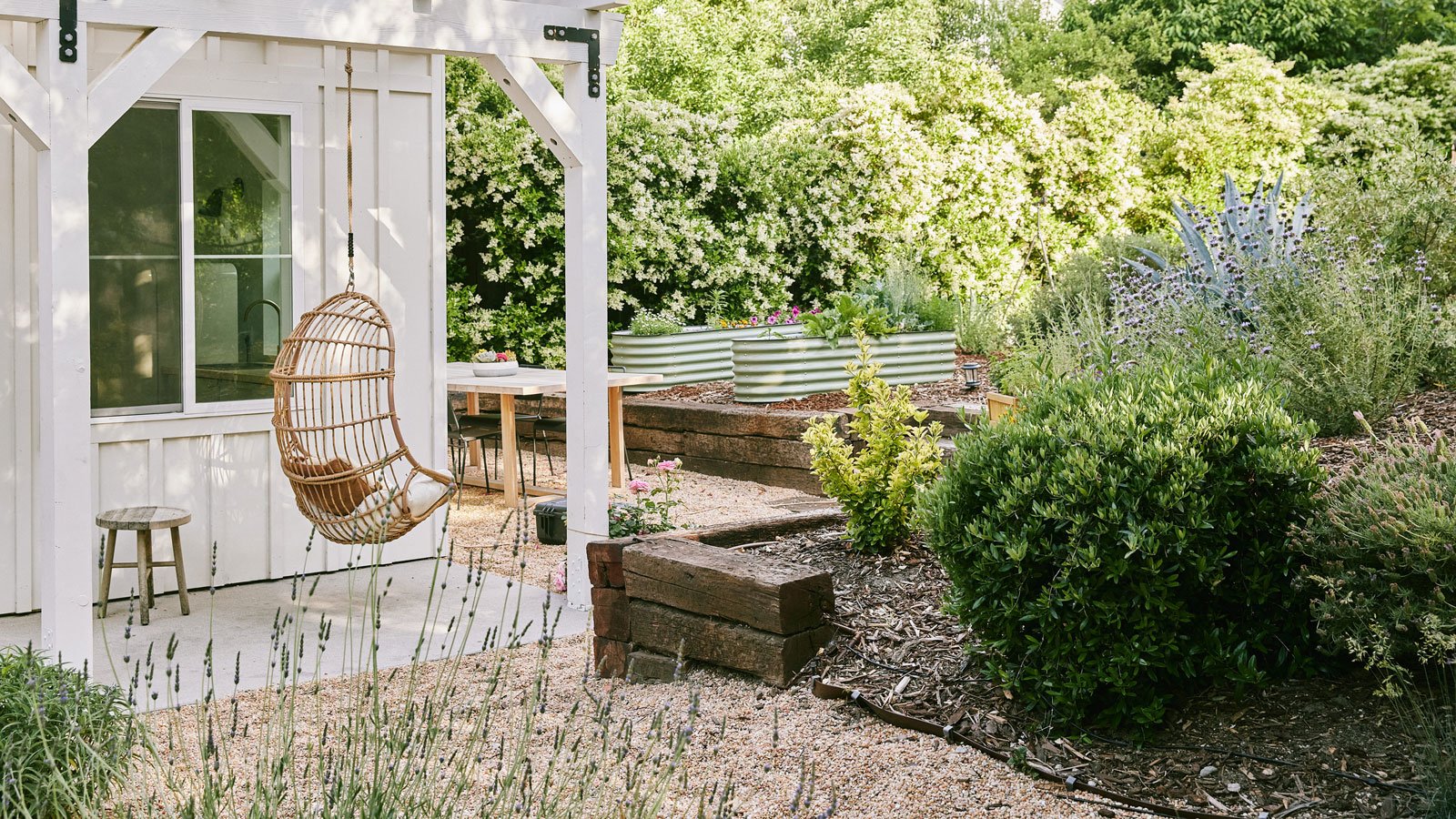
Outdoor spaces have become an important extension of modern living areas, offering opportunities for relaxation, entertainment, connection with nature, and improved property appeal. A well-planned outdoor environment does more than add visual beauty; it creates a functional space that reflects personal preferences while enhancing the overall character of a property. Whether the goal is to create a peaceful garden retreat, an inviting entertainment area, or a sustainable outdoor environment, careful planning plays a crucial role in achieving successful results.
Many property owners begin with ideas about colors, plants, and decorative features but may overlook the importance of structure, balance, and long-term functionality. A successful outdoor transformation requires understanding how different elements work together, including plant selection, hardscape features, lighting, water management, and maintenance requirements. When these components are thoughtfully combined, an outdoor area can become a valuable and enjoyable part of everyday life.
Professional planning helps turn ordinary outdoor spaces into carefully designed environments that provide both beauty and practicality. By considering the property’s layout, existing conditions, and the needs of the people using the space, designers can create solutions that remain attractive and useful for years. A detailed approach to landscape design allows outdoor areas to become more than decorative spaces by making them functional, sustainable, and visually appealing.
The Importance of Creating a Clear Outdoor Vision
Before beginning any outdoor improvement project, it is essential to establish a clear vision for how the space will be used. Every property has unique characteristics, and the best results come from designs that are customized according to lifestyle needs and personal preferences. Some homeowners may want a quiet area for relaxation, while others may prioritize spaces for gatherings, recreation, or gardening.
Understanding the purpose of the outdoor area helps determine which features should be included. Seating areas, pathways, planting zones, lighting systems, and decorative elements should all support the intended use of the space. Without proper planning, outdoor improvements may appear disconnected or fail to provide the comfort and functionality expected by the property owner.A thoughtful design process also considers how the space will change over time. Plants grow, materials age, and outdoor needs may evolve. Creating a flexible plan allows the landscape to maintain its appeal while adapting to future requirements. This forward-thinking approach prevents frequent redesigns and helps maximize the value of the investment.
Understanding the Key Elements of Outdoor Planning
A successful outdoor environment depends on the relationship between several important design elements. Plants, structures, textures, colors, and open areas must work together to create harmony and balance. Each feature contributes to the overall atmosphere and functionality of the space.
Plant selection is one of the most significant aspects of outdoor planning. The right plants can provide shade, privacy, seasonal interest, and natural beauty. However, choosing plants requires careful consideration of growth patterns, maintenance needs, and compatibility with existing conditions. A well-planned planting strategy ensures that greenery remains healthy and attractive over time.
Hardscape features such as walkways, patios, retaining structures, and outdoor living areas provide organization and structure. These elements define different zones within the space and improve usability. The combination of natural and built features creates contrast while maintaining visual balance.Lighting is another important component that is often overlooked. Proper outdoor lighting improves safety, highlights attractive features, and allows outdoor areas to be enjoyed during evening hours. Strategic placement of lights can create a welcoming atmosphere while emphasizing architectural and natural details.
Designing Spaces That Match Modern Lifestyles
Outdoor areas today serve many purposes beyond traditional gardening. They have become places for dining, relaxation, exercise, social activities, and personal enjoyment. A modern approach to landscape design focuses on creating spaces that support the way people actually live.Outdoor kitchens, comfortable seating areas, fire features, and entertainment zones have become popular additions because they extend usable living space beyond interior walls. These features encourage people to spend more time outdoors while creating opportunities for memorable experiences with family and friends.
Privacy is another important consideration. Many property owners want outdoor spaces that feel comfortable and secluded. The use of carefully selected plants, screens, fences, and natural barriers can create a sense of privacy without making the area feel closed or restricted.Accessibility should also be considered during the planning process. Well-designed pathways, comfortable seating arrangements, and easy-to-navigate layouts ensure that outdoor spaces can be enjoyed by people of different ages and abilities. A successful design combines beauty with practical usability.
The Role of Sustainability in Outdoor Design
Sustainability has become an increasingly important part of modern outdoor planning. Environmentally responsible designs focus on reducing waste, conserving resources, and creating healthier relationships between built spaces and natural surroundings.
Choosing plants that require appropriate levels of water and maintenance can significantly improve sustainability. Native and adaptable plant selections often perform better because they are naturally suited to existing conditions. This approach can reduce resource consumption while supporting local ecosystems.
Water management is another major consideration. Proper drainage systems, efficient irrigation methods, and thoughtful planting layouts help prevent water waste and protect the surrounding environment. Sustainable solutions not only benefit nature but can also reduce long-term maintenance expenses.
Materials also play an important role in environmentally conscious projects. Durable materials that require less replacement and maintenance contribute to more responsible outdoor development. By incorporating sustainable practices, property owners can create attractive spaces that are both functional and environmentally considerate.
The Benefits of Professional Planning and Expertise
While some outdoor projects can be completed through personal effort, larger transformations often require professional knowledge and experience. Designers understand how to balance aesthetics, functionality, and technical considerations to create successful results.
Professionals can evaluate existing conditions, identify challenges, and develop solutions that may not be obvious to property owners. Factors such as drainage, soil conditions, sunlight patterns, and plant compatibility can significantly influence the success of an outdoor project.A professional approach also helps prevent costly mistakes. Poor planning can lead to plant failures, drainage problems, inefficient layouts, or features that do not meet the intended purpose. Investing in expertise during the planning stage can save time and resources in the long term.
Experienced designers also bring creativity and innovation to the process. They can introduce ideas that maximize available space, improve visual appeal, and create unique outdoor environments that reflect individual preferences.Outdoor improvements represent an investment in both lifestyle and property value. Certain features can significantly enhance the appeal and usability of a property when they are thoughtfully incorporated into the overall design.
Functional outdoor living areas are often highly valued because they provide additional space for relaxation and entertainment. Patios, seating areas, gardens, and carefully planned pathways can transform unused portions of a property into meaningful spaces.
Well-maintained greenery can also improve the overall appearance of a property. Trees, shrubs, and flowering plants create visual interest while contributing to a more pleasant outdoor atmosphere. The combination of natural elements and carefully designed structures creates a balanced environment.A quality outdoor project can also improve first impressions. The exterior appearance of a property influences how visitors and potential buyers perceive the space. A beautiful and organized outdoor environment can make a property feel more welcoming and complete.
Avoiding Common Outdoor Planning Mistakes
Many outdoor improvement challenges result from insufficient planning. One common mistake is focusing only on appearance while ignoring practical concerns. A visually attractive space may become frustrating if it does not provide proper functionality or requires excessive maintenance.
Another mistake is selecting plants without considering their future growth. A small plant may eventually become too large for its location, creating maintenance issues or affecting nearby structures. Understanding long-term growth patterns helps prevent these problems.Ignoring drainage and water management can also create serious challenges. Poor planning may result in standing water, soil erosion, or damage to outdoor features. Addressing these concerns early ensures better performance and durability.
Budget planning is equally important. Property owners should consider both initial costs and future maintenance requirements. Choosing durable materials and practical solutions can create better long-term value compared to selecting options based only on short-term savings.A well-designed outdoor space requires ongoing care to preserve its appearance and functionality. Regular maintenance helps plants remain healthy, prevents deterioration, and protects the investment made during the design process.
Seasonal tasks such as pruning, cleaning, soil improvement, and irrigation adjustments keep outdoor areas looking their best. Different plants and materials have different maintenance requirements, so understanding proper care techniques is essential.Technology can also support easier maintenance. Automated irrigation systems, efficient lighting controls, and modern outdoor tools help simplify routine tasks while improving resource management.
Conclusion
Consistent care allows outdoor spaces to continue providing enjoyment and beauty over many years. A thoughtful design combined with responsible maintenance creates lasting value and ensures that the environment remains attractive through changing seasons.
A carefully planned outdoor space can transform the way people experience their property. By combining creativity, functionality, sustainability, and thoughtful organization, outdoor areas can become valuable extensions of everyday living.Investing in professional landscape design provides an opportunity to create an environment that reflects personal style while improving comfort, usability, and property appeal. From selecting the right plants to integrating functional features, every decision contributes to the final result.
A successful outdoor transformation requires more than simply adding decorative elements. It involves understanding how different components interact and planning for long-term performance. With the right approach, an outdoor space can become a beautiful, practical, and sustainable environment that continues to provide enjoyment for many years.