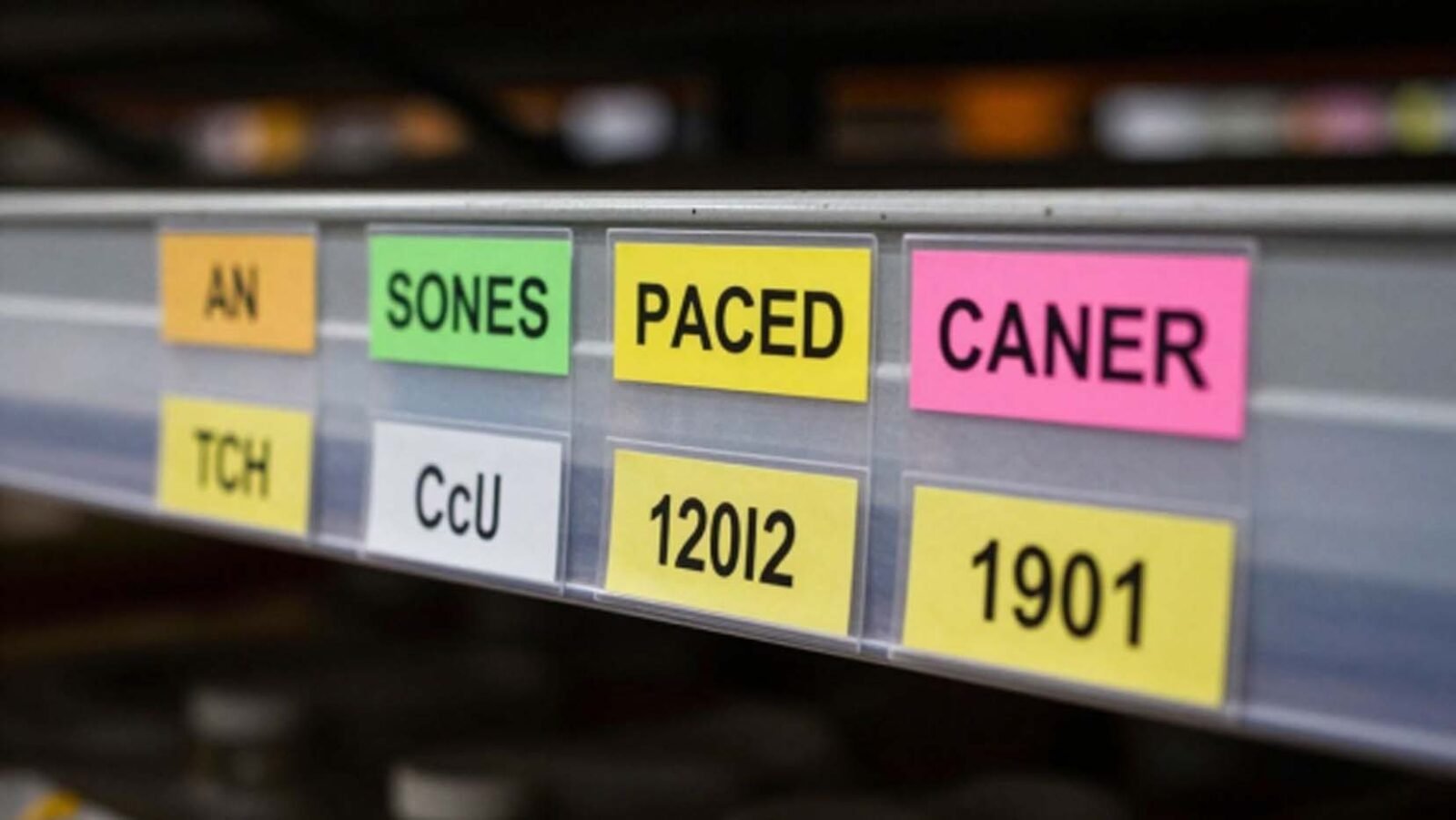
Improving Picking Accuracy with Clear Stock Labels
Custom shelving labels are a game-changer for warehouse picking. They provide clear, easy-to-read identifiers for stock locations. This clarity means fewer mistakes when workers grab items for orders. Accurate labeling directly cuts down on picking errors, saving time and reducing the cost of sending out the wrong products. When every bin and shelf has a distinct, well-placed label, the process becomes much smoother.
Think about it: a worker needs to find item X. With a good custom shelving label system, they can scan the barcode or read the location code instantly. This isn’t just about speed; it’s about confidence. Knowing they’re in the right spot means they can move on to the next item without second-guessing. This attention to detail in labeling makes a big difference in the day-to-day flow of warehouse operations.
Here’s how clear stock labels help:
- Reduced Mis-picks:Clear identifiers minimize confusion.
- Faster Training:New employees learn locations quicker.
- Improved Inventory Counts:Easier to verify stock on hand.
A well-organized warehouse relies heavily on its labeling system. It’s the backbone of efficient inventory management and accurate order fulfillment.
Reducing Errors Through Proper Shelf Labeling
Proper shelf labeling goes beyond just putting a sticker on a shelf. It’s about creating a system that prevents mistakes before they happen. When shelves are labeled correctly, the chances of putting an item in the wrong place or picking the wrong item decrease significantly. This is where custom shelving labels really shine, as they can be tailored to specific warehouse needs and workflows.
Consider the impact on inventory accuracy. If an item is consistently placed in the wrong bin due to poor labeling, your inventory records will be off. This leads to stockouts or overstocking, both of which hurt the bottom line. A robust labeling system, using durable and clear custom labels, helps maintain accurate inventory data, which is vital for making smart business decisions.
Key benefits of proper shelf labeling:
- Fewer Putaway Errors:Items go to their correct homes.
- Minimized Picking Mistakes:Orders are filled with the right products.
- Better Stock Rotation:FIFO (First-In, First-Out) is easier to manage.
Streamlining Navigation and Workflow Efficiency
Efficient navigation is key to a productive warehouse, and custom shelving labels are a primary tool for achieving this. When aisles, racks, and individual shelves are clearly marked, employees spend less time searching for products and more time fulfilling orders. This improved navigation directly translates to increased workflow efficiency.
Imagine a warehouse without clear labels. Workers would wander, wasting valuable minutes (or even hours) trying to locate specific items. With a system of custom shelving labels, including directional cues or color-coding, employees can move through the warehouse with purpose. This makes the entire operation run more smoothly, from receiving goods to shipping them out.
Custom labels help streamline operations by:
- Cutting Down Search Time:Employees find items faster.
- Optimizing Travel Paths:Reducing unnecessary movement.
- Improving Overall Throughput:More orders processed in less time.
The right shelving labels are more than just identifiers; they are navigational tools that boost productivity.
The Role of Shelving Labels in Retail Environments
Building Customer Trust with Accurate Shelf Pricing
Clear shelf pricing labels are more than just price tags; they are foundational to customer trust. When shoppers see consistent and correct pricing directly on the shelf, it builds confidence in the store’s accuracy. This transparency helps avoid checkout surprises, which can lead to frustration and lost sales. Accurate shelf pricing labels are a simple yet powerful way to show customers you value their time and business. This attention to detail in shelf labeling reflects positively on the entire brand.
Maintaining Brand Consistency Across Locations
For businesses with multiple stores, consistent shelf labeling is key to a unified brand experience. Using a standardized retail shelf label template ensures that product information, pricing, and promotional details look the same whether a customer is in New York or Los Angeles. This uniformity reinforces brand identity and makes it easier for customers to find what they need, regardless of location. It’s about creating a predictable and reliable shopping journey.
Facilitating Faster Product Selection
Well-designed shelf labels make it easier for customers to quickly identify products and make purchasing decisions. Clear fonts, logical placement of information, and effective use of color can guide shoppers efficiently through aisles. This speed in product selection is especially important in busy retail settings where customers appreciate a smooth and quick shopping trip. Good shelf labeling systems reduce the time spent searching, improving the overall customer experience and potentially increasing sales volume.
Materials and Formats for Durable Shelving Labels
Clear Shelf Labels Versus Paper-Based Options
When picking out labels for your shelves, the material really matters. Paper labels are cheap and easy to print, sure, but they don’t hold up well. Think about a busy warehouse or a store with lots of foot traffic. Paper can get torn, smudged, or ruined by moisture. This makes reading them a pain and can lead to mistakes.
Clear shelf labels, on the other hand, offer a much better solution for durability. They often come with a protective laminate or are made from tougher plastics. This means they can handle bumps, spills, and general wear and tear much better than paper. For places where labels need to last and stay readable, clear shelf labels are usually the way to go.
It’s a trade-off between initial cost and long-term performance. While paper might seem like a good deal upfront, constantly replacing damaged labels can add up. Investing in more robust materials for your shelving labels can save time and reduce errors down the line.
Utilizing Shelf Label Stickers for Dynamic Needs
Shelf label stickers are super handy, especially when things change often. Think about retail stores that run frequent sales or warehouses that constantly move inventory around. Stickers are easy to peel and stick, making updates quick and simple. You don’t need special equipment to put them on, which saves time.
These stickers can be made from various materials, including vinyl or durable paper, often with strong adhesives. This means they stay put, even on surfaces that might get a bit dusty or handled a lot. For places that need flexibility, like changing prices or product locations, shelf label stickers are a practical choice.
They’re great for temporary signs or for sections where the products might rotate frequently. The ease of application and removal makes them ideal for fast-paced environments where quick adjustments are the norm. Just remember to choose a sticker material that fits the specific conditions of your shelving.
Exploring OEM Store Shelf Labels for Customization
OEM (Original Equipment Manufacturer) store shelf labels are all about getting exactly what you need. These aren’t just off-the-shelf items; they’re often made to specific company standards. This means you can get labels that perfectly match your brand’s look, size requirements, and even integrate specific data fields.
This level of customization is fantastic for maintaining a consistent brand image across all your locations. Whether it’s a specific font, color scheme, or layout, OEM labels ensure uniformity. They can also be designed to work with specific shelving systems or scanning equipment you might be using.
For businesses that operate multiple stores or have complex inventory needs, OEM solutions provide a tailored approach. They ensure that every shelf label, from pricing to product identification, aligns with the company’s overall operational and branding strategy. This attention to detail can make a big difference in how customers perceive the store and how efficiently staff can manage stock.
Choosing the right materials and formats for your shelving labels is key. It impacts not just how they look, but how well they perform their job over time. From tough clear labels to flexible stickers and custom OEM options, there’s a solution for almost any situation.
Integrating Technology with Shelving Label Systems
The Evolution from Basic Tags to Smart Labels
Gone are the days of simple paper tags. Today’s shelving label systems are far more advanced. We’re talking about a shift from static, easily damaged labels to dynamic, intelligent solutions. This evolution means shelf labels are no longer just identifiers; they’re active participants in inventory management. Think about how much faster things move when a label can update itself. This technological leap is changing how warehouses and stores operate.
Early shelf labels were basic. They often faded, tore, or got smudged, leading to confusion and errors. Now, shelf label stickers are built tough, using materials that resist wear and tear. They’re designed for clarity and accuracy, even in tough environments. This focus on durability and precision is key to improving location accuracy across shelving.
Leveraging Digital Printing for On-Demand Labels
Digital printing has revolutionized how we create and use shelf labels. Instead of large, pre-printed batches, businesses can now print labels as needed. This on-demand capability is a game-changer for managing inventory that changes frequently. It means less waste and more accurate information right when it’s needed.
This flexibility allows for quick updates to pricing, product information, or location codes. If a product moves or its details change, a new label can be printed in minutes. This speed and adaptability are vital for keeping inventory data current and reliable. It directly supports better location accuracy across shelving.
Automated Systems for Real-Time Data Synchronization
Automated systems are the next frontier for shelving label integration. These systems connect physical labels directly to digital inventory management software. Imagine a label that automatically updates its status or location in the system as soon as a change occurs. This real-time synchronization is incredibly powerful.
These automated shelf information systems use technologies like RFID or electronic shelf labels (ESLs). They eliminate manual data entry, a common source of errors. The result is a highly accurate, up-to-the-minute view of inventory, drastically reducing misplacements and improving overall operational flow. This level of integration is what truly transforms location accuracy across shelving.
Benefits of an Organized Shelving Labeling System
Faster Order Fulfillment and Stocking
An organized shelving system, driven by clear and accurate labels, directly speeds up how quickly orders get out the door and how efficiently new stock is put away. When every item’s location is plainly marked, workers spend less time searching and more time moving products. This isn’t just about convenience; it’s about making the entire process flow better. Faster order fulfillment means happier customers and a more productive team.
Improved Inventory Accuracy and Tracking
Proper shelf labeling is the backbone of good inventory management. When labels are consistent and correctly placed, they create a reliable map of your stock. This makes it much easier to track what you have, where it is, and how much is left. An organized system reduces the chances of items being misplaced or forgotten, leading to a more accurate count of your inventory. This improved inventory accuracy is key to avoiding stockouts and overstock situations.
Reduced Operational Errors and Misplacements
Mistakes happen, but a well-labeled shelving system significantly cuts down on them. Clear labels minimize confusion, leading to fewer picking errors and less time spent correcting mistakes. When employees can easily identify the correct item and location, the likelihood of putting something in the wrong place drops dramatically. This reduction in errors saves time, reduces waste, and contributes to a smoother overall operation. An organized shelving label system is a simple yet powerful tool for operational efficiency.
Here’s a quick look at the impact:
- Reduced Picking Errors:Clear labels mean fewer wrong items grabbed.
- Minimized Misplacements:Items go to their correct spots the first time.
- Faster Training:New staff get up to speed quicker with an intuitive system.
- Less Time Spent Searching:Productivity increases when locations are obvious.
An organized shelving label system isn’t just about making things look neat; it’s a practical strategy that directly impacts the bottom line by saving time and preventing costly mistakes.
Best Practices for Implementing Effective Shelving Labels
Implementing a solid shelving label system isn’t just about sticking things on shelves; it’s about creating a clear, efficient roadmap for your entire operation. When done right, these labels become silent workhorses, guiding staff and customers alike. Think of it as setting up a clear GPS for your physical inventory. This approach helps prevent confusion and speeds up tasks, whether it’s finding a specific item in a busy warehouse or locating a product on a retail floor. The goal is to make information instantly accessible and reduce the time spent searching.
Prioritizing Readability and Consistent Formats
Clarity is king when it comes to shelving labels. Staff need to be able to read labels quickly, even from a distance or in less-than-ideal lighting. This means using large, clear fonts and ensuring good contrast between the text and the label background. A consistent format across all labels is also vital. This includes standardizing the size, color scheme, and the type of information presented. For example, always putting the SKU number in the same spot on every label makes it predictable. This consistency reduces cognitive load for employees, allowing them to process information faster and with fewer mistakes. It’s about making the labels work for the people using them, not the other way around.
Selecting Durable Materials for Longevity
Choosing the right material for your shelving labels is more important than many people realize. Paper labels might seem cheap upfront, but they can easily tear, fade, or get damaged in busy environments, especially in warehouses with dust and movement or retail spaces where items are frequently handled. Opting for more durable materials, like vinyl or laminated labels, means they’ll last longer and stay legible. This reduces the need for frequent replacements, saving both time and money in the long run. Consider the environment where the labels will be used; a high-traffic area or a place with temperature fluctuations will require a tougher label. Investing in quality materials for your shelf labeling system pays off by maintaining accuracy and reducing operational headaches.
Aligning Labels with Warehouse Management Systems
For any warehouse or large-scale inventory operation, the shelving labels must directly correspond with the data in your Warehouse Management System (WMS). This alignment is non-negotiable for maintaining accurate inventory counts and efficient operations. If a label says an item is in location A, but your WMS shows it in location B, you’ve got a problem. This disconnect leads to mispicks, lost inventory, and frustrated staff. Implementing a system where labels are generated or updated directly from the WMS, or where scanning a label updates the WMS in real-time, is the most effective approach. This integration ensures that the physical reality of your stock matches your digital records, which is the bedrock of good inventory management. Proper shelf labeling is a key component of this integration.
Putting It All Together
So, when you get right down to it, shelf labels are more than just little stickers. They really do make a difference in how smoothly things run, whether it’s a huge warehouse or a small shop. Getting them right means fewer mistakes, faster work, and happier customers. It might seem like a small detail, but a good labeling system is a smart move for any business that wants to keep things organized and running well. It’s about making sure everyone knows where everything is, all the time.