
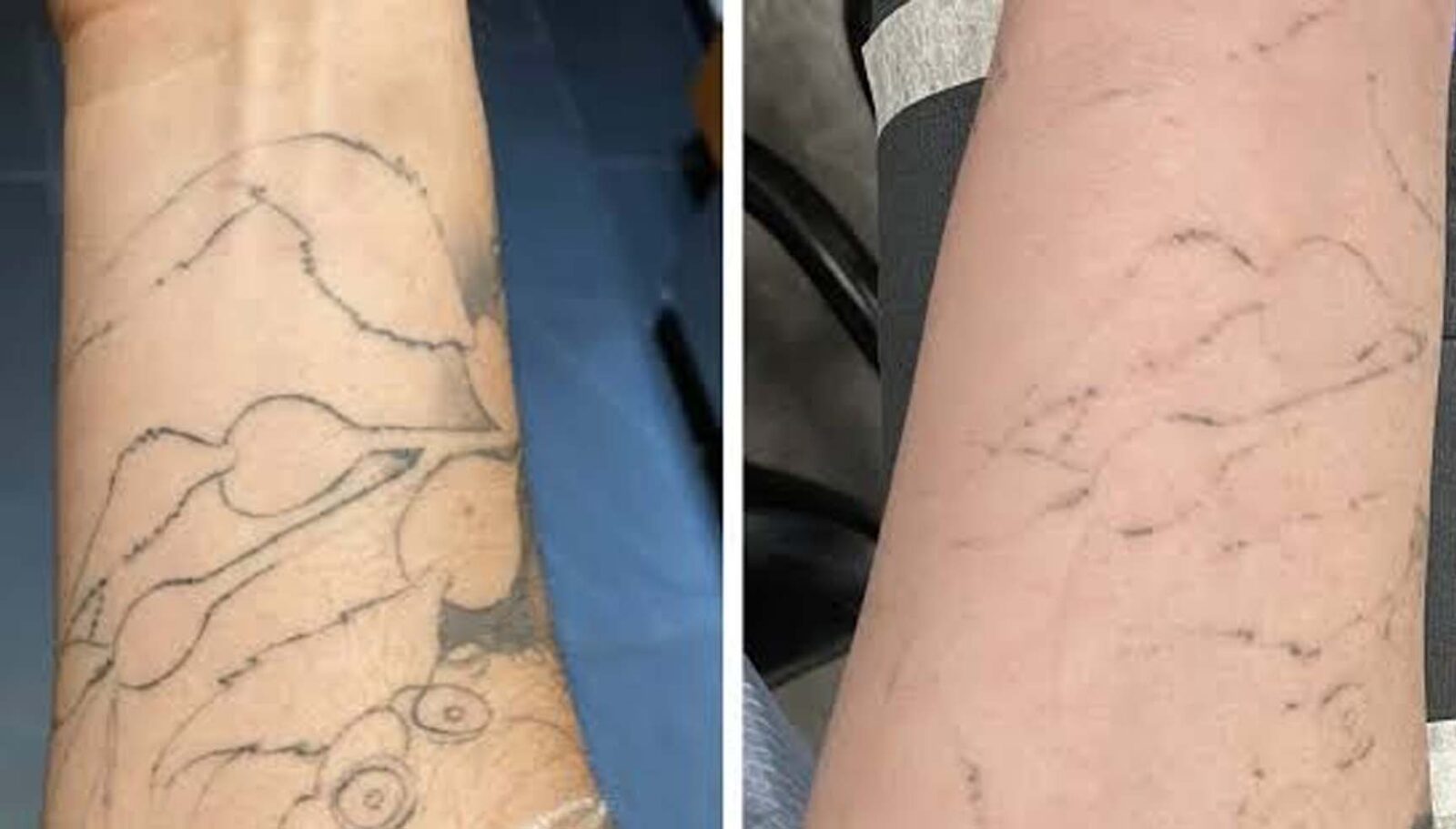
When considering tattoo removal, most people focus on the size, color, and age of their ink. However, one of the most significant factors that determines removal success is something you can’t change: your skin tone. Understanding how melanin levels affect laser treatment outcomes can help set realistic expectations and guide you toward the best removal strategy.
The Science Behind Skin Tone and Laser Treatment
Laser tattoo removal works by targeting pigment in the skin with concentrated light energy. The laser breaks down tattoo ink particles into smaller fragments that your body’s immune system can naturally eliminate over time. However, the laser doesn’t just see tattoo ink—it also detects melanin, the natural pigment that gives your skin its color.
People with darker skin tones have higher concentrations of melanin, which means the laser energy gets absorbed by both the tattoo ink and the surrounding skin. This creates a delicate balancing act for practitioners who must use enough power to break down the ink without damaging the skin itself. Lighter skin tones contain less melanin, allowing the laser to focus more directly on the tattoo pigment with fewer complications.
Risks Associated with Darker Skin Tones
The primary concern for individuals with darker complexions is the increased risk of hypopigmentation or hyperpigmentation. Hypopigmentation occurs when the laser removes too much melanin, leaving lighter patches where the tattoo once was. Conversely, hyperpigmentation happens when the skin produces excess melanin in response to laser treatment, creating darker spots.
These pigmentation changes can be temporary or, in some cases, permanent. That’s why choosing an experienced practitioner who understands how to adjust laser settings for different skin tones is absolutely critical. The wrong approach can leave you with skin discoloration that’s more noticeable than the original tattoo.
The Fitzpatrick Scale and Treatment Planning
Dermatologists use the Fitzpatrick Scale to classify skin types from I to VI, with Type I being the palest and Type VI being the darkest. This classification system helps practitioners determine appropriate laser settings and treatment protocols. Generally speaking, Types I through III respond most predictably to standard laser treatments, while Types IV through VI require modified approaches.
For darker skin types, practitioners typically use longer wavelengths, lower energy settings, and longer intervals between sessions. Ottawa’s leading tattoo removal clinic will assess your skin type during consultation and create a customized treatment plan that minimizes risks while maximizing results. This personalized approach makes all the difference in achieving safe, effective outcomes.
Advances in Technology for All Skin Types
The good news is that laser technology has evolved significantly in recent years. Newer Q-switched and picosecond lasers offer more precise targeting with reduced thermal damage to surrounding tissue. These advanced systems can be calibrated more accurately for different skin tones, making safe removal possible for a broader range of patients.
Picosecond lasers, in particular, have shown promising results for darker skin tones because they deliver energy in ultra-short bursts. This minimizes heat buildup in the skin while still effectively shattering ink particles. The technology represents a major step forward in making tattoo removal accessible and safe for everyone, regardless of skin tone.
Setting Realistic Expectations
If you have darker skin, you should expect your tattoo removal journey to potentially take longer than someone with lighter skin. More sessions spaced further apart may be necessary to achieve complete removal while protecting your skin’s integrity. Patience becomes particularly important, as rushing the process increases the risk of complications.
Complete removal may not always be possible for every skin tone and tattoo combination. Some fading might be the best achievable outcome, especially for tattoos with certain ink colors or those located on areas with higher melanin concentration. An honest consultation with a qualified practitioner will help you understand what’s realistically achievable for your specific situation.
Choosing the Right Practitioner
The expertise of your tattoo removal specialist matters more than ever when skin tone becomes a complicating factor. Look for practitioners with specific experience treating your skin type, proper certifications, and a portfolio of before-and-after photos showing results on various skin tones. Don’t hesitate to ask detailed questions about their approach and the precautions they take.
Your skin tone shouldn’t prevent you from pursuing tattoo removal, but it does require a more thoughtful, customized approach. With the right technology, experienced practitioners, and realistic expectations, people of all skin tones can successfully fade or remove unwanted tattoos while maintaining healthy, even-toned skin.
