
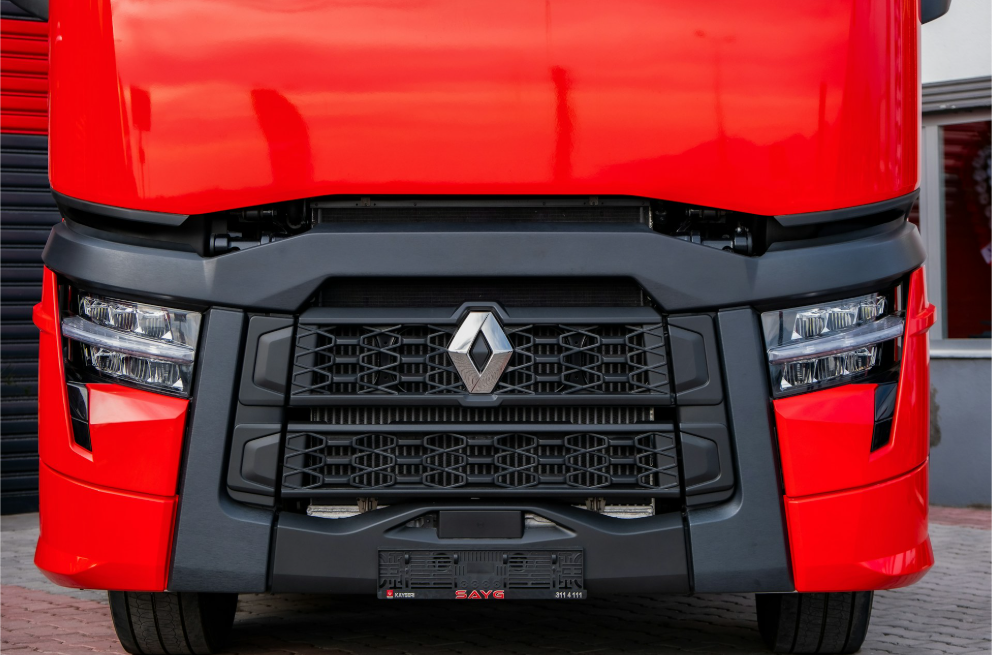
The UK used commercial vehicle market continues to attract transport operators looking to balance performance with cost efficiency. With operating costs, financing rates and fleet renewal strategies under constant pressure, buying the right truck has become a strategic business decision rather than a simple purchase. A well-selected vehicle can remain productive for years, while the wrong choice may quickly generate unexpected maintenance costs and operational downtime.
Why does the source of a used truck matter as much as the vehicle itself?
Not every seller follows the same inspection standards, maintenance procedures or documentation practices. Purchasing through an established dealer generally offers greater transparency regarding service history, previous ownership and vehicle condition than buying through private advertisements. Professional dealers often carry out mechanical inspections, cosmetic refurbishment and legal checks before putting vehicles back on the market, reducing uncertainty for buyers. Businesses operating multiple vehicles particularly benefit from this additional level of confidence because even a single unexpected breakdown can disrupt delivery schedules, driver availability and customer satisfaction.
What should buyers inspect before committing to a purchase?
Price should never be the first selection criterion. A comprehensive assessment includes the vehicle’s maintenance records, mileage consistency, emissions standard, engine condition, transmission performance and chassis integrity. Buyers should also verify MOT history, inspect tyres for uneven wear, check for corrosion underneath the cab and review any previous accident repairs. During a road test, attention should be paid to steering precision, braking response, gearbox operation and suspension behaviour. These practical observations often reveal issues that specifications alone cannot identify. Businesses planning long-distance operations should also evaluate fuel efficiency, cab ergonomics and driver comfort, as these factors directly influence operating costs over the vehicle’s lifetime.
Where can UK transport operators find trustworthy opportunities?
The market has become increasingly digital, allowing fleet managers to compare hundreds of available vehicles without travelling across the country. Specialist dealer platforms generally provide more detailed technical information than general classified websites, including service records, warranty options and inspection reports. For example, logistics companies seeking used trucks for sale often prioritise manufacturer-backed marketplaces because vehicles typically undergo structured preparation programmes before resale, making specification comparisons and long-term ownership planning considerably easier than relying solely on private listings.
How can businesses calculate the true cost of ownership?
The purchase price represents only part of the financial equation. Decision-makers should calculate the total cost of ownership over several years by considering maintenance contracts, expected repair costs, insurance premiums, fuel consumption, taxation, financing conditions and vehicle depreciation. A truck purchased for a lower initial price may ultimately prove more expensive if it requires frequent repairs or consumes significantly more fuel. Fleet managers frequently build comparison models using criteria such as:
- Initial purchase cost
- Average annual maintenance budget
- Fuel efficiency across expected mileage
- Availability of replacement parts
- Predicted resale value
- Warranty coverage and after-sales support
Taking a long-term financial perspective often changes purchasing priorities, especially for businesses operating several vehicles simultaneously.
How do changing regulations influence buying decisions?
Environmental legislation increasingly shapes fleet investment strategies across the UK. Clean Air Zones, Ultra Low Emission Zones and evolving sustainability commitments encourage operators to favour newer Euro VI vehicles capable of meeting stricter emissions standards. At the same time, customers increasingly expect transport providers to demonstrate environmental responsibility during procurement processes. Buying a relatively recent truck may therefore create advantages beyond compliance, including access to more contracts, lower emissions-related charges and improved brand perception. Organisations should also consider future electrification or alternative fuel strategies when renewing their fleets to avoid shortening the useful lifespan of newly acquired vehicles.
Ultimately, reliable purchasing is rarely about finding the cheapest truck—it is about selecting the vehicle that will deliver dependable performance, predictable operating costs and long-term value for the business.
Questions fréquentes
How can I tell if a used truck has been properly maintained?
A complete maintenance history is the strongest indicator. Buyers should review servicing records, MOT history, repair invoices and inspection reports while ensuring that mileage progression remains consistent with the vehicle’s documented maintenance schedule.
Is buying from a dealer safer than purchasing privately?
In most cases, yes. Established commercial vehicle dealers generally inspect vehicles before resale, provide clearer documentation and may include warranties or after-sales support, reducing several risks commonly associated with private transactions.
Does paying more for a newer truck usually generate a better return on investment?
Often it does. Although the initial purchase price is higher, newer vehicles generally offer improved fuel economy, lower maintenance costs, greater reliability and easier compliance with environmental regulations, all of which contribute to lower total ownership costs over time.