
Healthy, radiant skin has always been a key part of personal care and confidence. As skincare science continues to evolve, treatments that focus on exfoliation and skin renewal have become increasingly popular. One such treatment is dermaplaning, a precise exfoliation technique designed to remove dead skin cells and fine vellus hair (commonly known as “peach fuzz”) from the surface of the skin. This process reveals a smoother, brighter complexion and helps skincare products absorb more effectively.
Unlike harsh chemical treatments or abrasive scrubs, dermaplaning is a controlled, manual procedure that uses a sterile blade to gently exfoliate the outermost layer of the skin. It is widely used in professional skincare settings and has also gained popularity in at-home routines, although professional treatment remains the safest and most effective option.
Understanding What Dermaplaning Actually Is
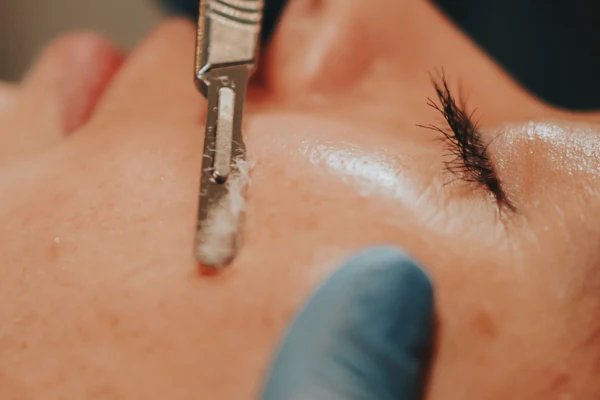
Dermaplaning is a form of physical exfoliation performed using a specialized surgical-grade blade held at a precise angle against the skin. The blade is carefully moved across the surface to remove dead skin buildup and fine facial hair without causing damage to deeper skin layers.
The primary goal of dermaplaning is to resurface the skin, improving texture and tone while promoting a brighter and more even appearance. By removing the outer layer of dead skin cells, it allows newer, healthier skin to be revealed underneath.
This treatment is often performed on the face, particularly areas such as the cheeks, forehead, chin, and jawline. It is suitable for many skin types, especially those looking for a non-invasive method of exfoliation and rejuvenation.The dermaplaning procedure begins with a thorough cleansing of the skin to remove oils, makeup, and impurities. This ensures a clean surface for safe exfoliation.Once the skin is prepared, a trained specialist holds the blade at a controlled 45-degree angle and gently glides it across the skin in short, careful strokes. The blade removes accumulated dead skin cells and fine hair, revealing a smoother surface beneath.
After the exfoliation process, soothing products such as hydrating serums, moisturizers, or calming masks are applied to nourish and protect the freshly exposed skin. Because the skin is more receptive after treatment, skincare products tend to absorb more effectively.The entire dermaplaning session is typically quick, often completed within 30 to 60 minutes depending on the area being treated.
Key Benefits of Dermaplaning for Skin Health
One of the most noticeable benefits of dermaplaning is immediate skin smoothness. By removing the outer layer of dead skin, the surface becomes softer and more refined, improving overall texture.
Another major advantage is enhanced brightness. Dead skin buildup can make the complexion appear dull and uneven. Removing this layer helps restore a natural glow and improves skin clarity.Dermaplaning also improves the effectiveness of skincare products. When the barrier of dead skin is removed, serums, moisturizers, and treatments can penetrate more deeply, increasing their effectiveness.
Makeup applications also benefit significantly. Foundation and other cosmetic products glide more smoothly over freshly exfoliated skin, resulting in a more flawless finish.Additionally, regular dermaplaning can help reduce the appearance of fine lines and mild acne scarring by promoting skin cell turnover and encouraging a more even surface texture.
Who Can Benefit from Dermaplaning
Dermaplaning is suitable for many individuals, particularly those with dry or dull skin, uneven texture, or fine facial hair. It is often recommended for people seeking a gentle exfoliation method without the use of chemicals or aggressive abrasives.
It is also a popular choice for individuals with sensitive skin who may not tolerate chemical peels or microdermabrasion. Because it does not involve harsh ingredients, it is considered a relatively low-risk cosmetic procedure when performed correctly.However, it may not be suitable for individuals with active acne, inflamed skin conditions, or certain dermatological issues. In such cases, alternative treatments may be recommended by skincare professionals.
Dermaplaning vs Other Exfoliation Methods
There are several exfoliation techniques available in modern skincare, including chemical peels, microdermabrasion, and scrubs. Each method works differently and offers unique benefits.
Chemical peels use acids to dissolve dead skin cells, while microdermabrasion uses abrasive particles or tools to physically exfoliate the skin surface. Scrubs rely on manual friction using granular products.In comparison, dermaplaning provides a controlled, precise form of exfoliation that does not involve chemicals or harsh abrasion. It is often preferred for its immediate results and minimal downtime.
Unlike some chemical treatments, dermaplaning does not typically cause peeling or prolonged redness, making it an appealing option for those seeking quick skin rejuvenation.Although dermaplaning is generally considered safe, proper technique is essential to avoid skin irritation or injury. The use of a sterile, professional-grade blade and correct angle control is crucial for achieving safe and effective results.
Professional practitioners are trained to assess skin type, identify contraindications, and perform the procedure with precision. This reduces the risk of cuts, irritation, or infection.It is important that dermaplaning is performed in a clean environment with proper hygiene protocols to ensure skin safety. Aftercare instructions are also essential to protect the newly exfoliated skin.
Aftercare and Skin Protection
After dermaplaning, the skin is more sensitive and requires gentle care. Sun protection becomes especially important, as the removal of the outer skin layer increases susceptibility to UV damage.
Applying sunscreen daily helps protect the skin and maintain results. Hydrating products such as moisturizers and serums containing soothing ingredients can also help support recovery.It is generally recommended to avoid harsh exfoliants, strong active ingredients, or abrasive treatments for a few days after the procedure to prevent irritation.
Proper aftercare ensures that the benefits of dermaplaning are maintained while supporting overall skin health.Dermaplaning is not a one-time solution but rather a recurring skincare treatment. Because skin naturally regenerates over time, dead skin cells will gradually build up again.
Most professionals recommend undergoing dermaplaning every three to four weeks, depending on individual skin type and needs. This timing aligns with the natural skin cell turnover cycle.Regular treatments help maintain smooth texture, even tone, and improved product absorption over time.
Myths and Misconceptions About Dermaplaning
One common misconception is that dermaplaning causes hair to grow back thicker or darker. This is not true. The procedure only removes fine vellus hair at the surface level and does not affect the hair follicle or growth rate.
Another myth is that dermaplaning is painful or invasive. In reality, the procedure is generally painless when performed correctly and feels more like a gentle scraping sensation.
Some also believe that it is only suitable for certain skin types, but in reality, many individuals can benefit from dermaplaning, provided there are no active skin conditions that contraindicate treatment.In today’s skincare industry, dermaplaning has become an important part of professional facial treatments. It is often combined with other procedures such as hydrating masks, LED therapy, or serums to enhance overall results.By improving skin texture and allowing better absorption of active ingredients, it serves as a foundation treatment that enhances the effectiveness of other skincare steps.Its popularity continues to grow due to its simplicity, immediate results, and compatibility with a wide range of skincare goals.
Conclusion: A Simple Yet Powerful Path to Radiant Skin
Dermaplaning is a highly effective exfoliation technique that helps reveal smoother, brighter, and healthier-looking skin. By removing dead skin cells and fine facial hair, it enhances texture, improves product absorption, and creates a more polished appearance.
When performed correctly by trained professionals, dermaplaning is a safe and beneficial treatment that fits easily into modern skincare routines. Its immediate results and minimal downtime make it a preferred choice for those seeking visible skin improvement without invasive procedures.
Ultimately, dermaplaning represents a balance between science and simplicity offering a straightforward yet powerful way to refresh the skin and support long-term skin health and radiance.
