
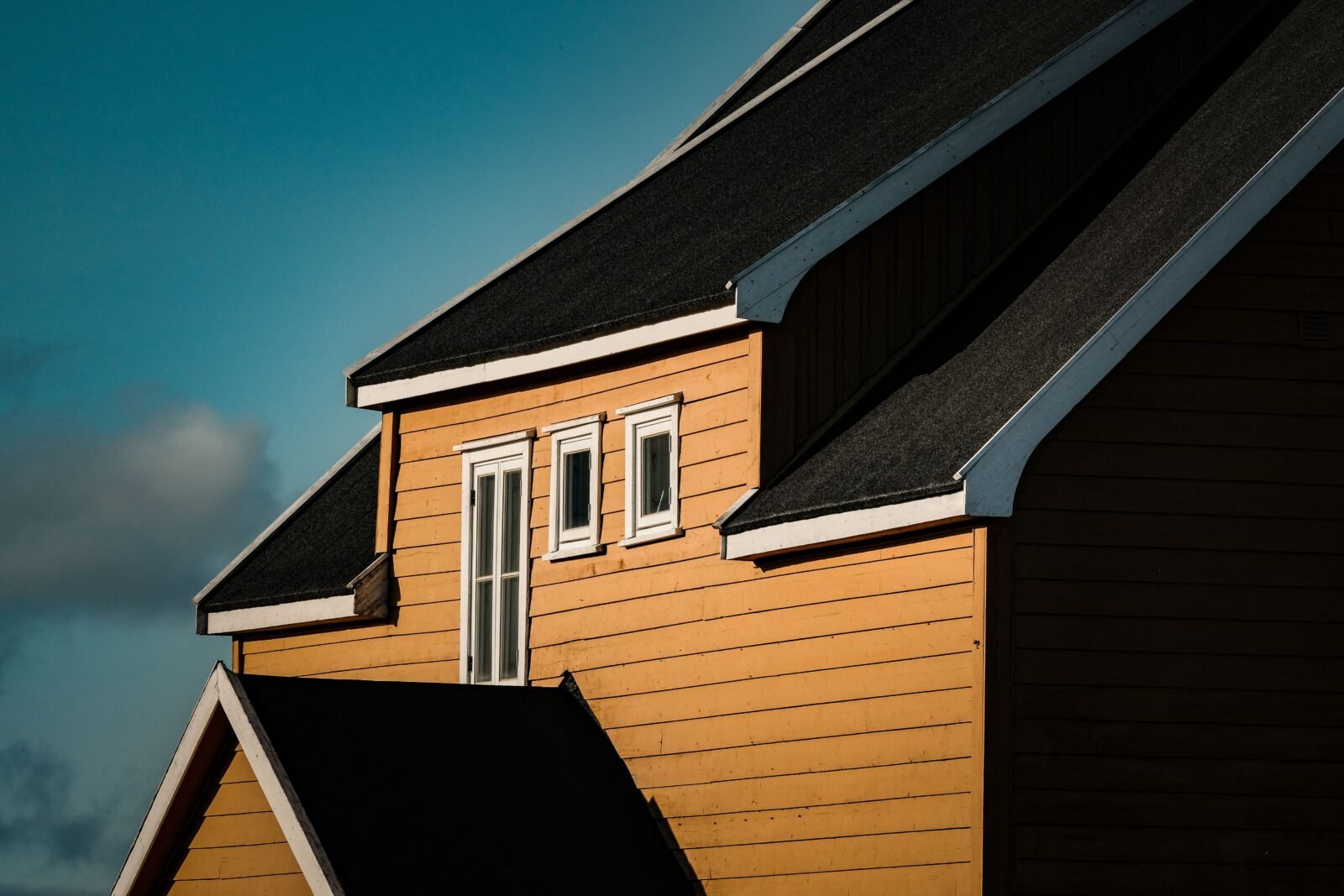
A long lasting roof depends on more than durable materials and quality installation. Proper ventilation plays a central role in maintaining structural stability, regulating temperature, and preventing moisture related damage. When airflow moves correctly through the attic and roof system, it reduces strain on shingles, insulation, and underlying components. Homeowners who prioritize ventilation benefit from improved energy efficiency, fewer repairs, and a roof that performs reliably through seasonal changes. Understanding how ventilation supports longevity helps property owners make informed decisions about maintenance and upgrades.
Reduces Heat Buildup That Accelerates Material Wear
Heat accumulation in the attic can significantly shorten the lifespan of roofing materials. Concepts like thermal regulation and heat impact reinforce how temperature affects durability.
Without proper ventilation, hot air becomes trapped beneath the roof deck, causing shingles to age prematurely and lose protective granules. Excessive heat also increases the risk of warping or cracking, especially during long periods of intense sun exposure. By allowing hot air to escape, ventilation helps maintain stable temperatures and reduces stress on roofing materials. Many homeowners schedule roof repair when heat related wear becomes visible, but proper ventilation helps prevent these issues from developing in the first place.
Prevents Moisture Accumulation That Leads to Structural Damage
Moisture is one of the most significant threats to roof longevity. Concepts like moisture control and condensation prevention highlight how ventilation protects structural components.
Warm, humid air can condense inside the attic when ventilation is inadequate, leading to damp insulation, mold growth, and weakened decking. Over time, moisture can compromise the roof’s structural integrity and increase the likelihood of leaks. Proper ventilation allows humid air to escape, keeping the attic dry and reducing the risk of long term damage. This moisture control supports both roof performance and indoor air quality.
Supports Insulation Performance for Better Energy Efficiency
Insulation plays a major role in maintaining indoor comfort, but its effectiveness depends on proper ventilation. Concepts like insulation efficiency and airflow balance reinforce how ventilation supports thermal control.
When insulation becomes damp due to poor ventilation, it loses its ability to regulate temperature. This forces heating and cooling systems to work harder, increasing energy costs and reducing comfort. Proper airflow keeps insulation dry and effective, helping maintain stable indoor temperatures throughout the year. A well ventilated roof supports both energy efficiency and long term material performance.
Minimizes Ice Dams That Cause Winter Roof Damage
In colder climates, ice dams can form when warm air from the attic melts snow on the roof, causing water to refreeze near the edges. Concepts like winter roof protection and temperature consistency highlight how ventilation prevents seasonal damage.
Proper ventilation keeps attic temperatures consistent, reducing the likelihood of uneven melting. When ice dams are prevented, shingles remain protected from water intrusion, and gutters avoid unnecessary strain. This seasonal protection helps maintain roof longevity and reduces the need for winter related repairs.
Reduces Indoor Humidity That Affects Structural Components
Indoor humidity can rise when attic ventilation is inadequate, affecting both the roof and the home’s interior. Concepts like humidity regulation and structural preservation reinforce how ventilation supports overall home health.
High humidity can cause wood components to swell, paint to peel, and interior surfaces to deteriorate. Over time, this affects the roof’s structural support and increases the likelihood of damage. Proper ventilation helps maintain balanced humidity levels, protecting both the roof and the home’s interior environment.
Enhances Overall Roof Performance Through Balanced Airflow
Balanced airflow is essential for maintaining a healthy roof system. Concepts like ventilation design and air movement highlight how airflow supports long term performance.
A well ventilated roof uses ridge vents, soffit vents, and other components to create a continuous flow of air. This balance prevents heat buildup, reduces moisture accumulation, and supports insulation performance. When airflow is optimized, the roof remains stable, durable, and better equipped to withstand seasonal changes.
Conclusion
Proper ventilation supports roof longevity by reducing heat buildup, preventing moisture accumulation, improving insulation performance, minimizing ice dams, regulating indoor humidity, and enhancing overall airflow. When ventilation is prioritized, homeowners maintain a strong, durable roofing system that performs reliably year after year.