
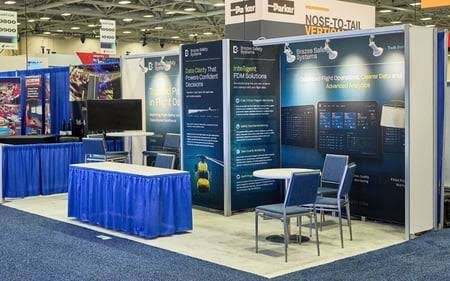
Marketing strategies are constantly evolving. Companies enter new markets, introduce new products, attend different events, and adjust their messaging based on customer behavior. A trade show exhibit should be capable of supporting these changes rather than becoming a limitation. For businesses that value flexibility, exhibition rentals can provide a practical way to adapt their physical presence.
A rental exhibit can be particularly useful when a company is uncertain about its long-term event schedule. Purchasing a large custom booth may make sense for organizations that attend the same shows repeatedly, but it may be less attractive for businesses that participate only occasionally.
Rental solutions can also support experimentation. A company might want to test a larger booth, introduce a new meeting area, or create a more interactive visitor experience. Renting can provide an opportunity to evaluate these ideas before making a larger long-term commitment.
The exhibit should always support the brand. Although the physical structure may be temporary, the experience should still feel consistent with the company’s identity. Branding elements, graphics, messaging, and product presentation should work together to create a recognizable environment.
Different events may also require different layouts. A company attending a small regional conference may need a compact setup, while a national industry exhibition may justify a larger space with multiple functional areas. Flexibility allows businesses to align the exhibit with each event instead of using the same format everywhere.
Operational efficiency is another benefit. Companies that own large exhibits need to consider storage, maintenance, transportation, and future updates. Renting can reduce some of these responsibilities, which may be helpful for organizations with limited internal resources.
The visitor journey should remain central to the design. Attendees should be able to identify the company, understand its primary offering, and engage with staff without unnecessary barriers. An open, organized layout can encourage interaction.
Digital tools can be incorporated when appropriate. Screens, demonstrations, QR codes, and interactive content can help visitors explore products and provide a convenient way to continue engagement after the event.
Companies should also prepare for post-event follow-up. A successful exhibition is not finished when the show closes. Leads need to be organized, conversations reviewed, and appropriate contacts followed up with promptly.
Performance data can inform future exhibit decisions. If a particular layout generates more qualified conversations or product demonstrations, the company can consider incorporating similar features into future events.
Ultimately, exhibit rentals can give businesses the freedom to respond to changing marketing requirements. They allow companies to approach each event as a distinct opportunity while maintaining professional branding and visitor engagement. With strategic planning, a rental exhibit can become a flexible tool that supports both short-term event goals and broader marketing objectives.
