
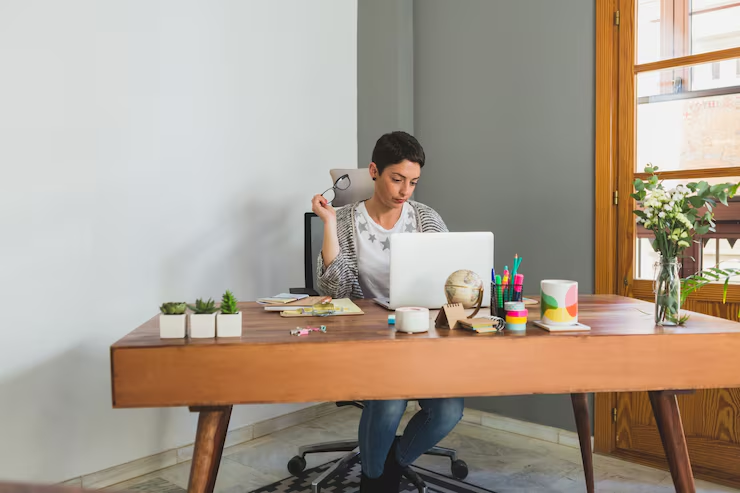
In order to transform a small corner into a productive home office, you must prioritise vertical storage and invest in an ergonomic office chair. Wall-mounted desks save valuable floor space, while proper ergonomic seating prevents long-term back pain and boosts daily focus for remote workers.
Working from home has become a permanent reality for many professionals, but finding the right space remains a constant challenge. Not everyone has a spare bedroom ready to become a dedicated study. Instead, many remote workers find themselves squeezing laptops onto kitchen islands or balancing keyboards on their knees.
Creating a dedicated workspace is vital for maintaining boundaries between your professional and personal life. A specific work zone trains your brain to focus when you sit down and helps you switch off when the workday ends. Even the smallest nook can become a powerhouse of productivity if you design the area thoughtfully.
You do not need endless square footage to build a functional environment. By making strategic furniture choices and utilising unused vertical space, you can carve out a highly efficient work zone. This guide explores exactly how to design a space-saving setup that supports both your physical health and your daily output.
What are the best ways to maximise space in a small home office?
When floor space is scarce, the walls become your most valuable asset. A wall-mounted floating desk provides a sturdy surface for your laptop and monitors without the bulky legs of a traditional desk. Choose a fold-away floating desk if your room serves multiple purposes, such as a bedroom or a living area, allowing you to hide the workspace entirely after hours.
Vertical shelving is another essential component of a compact office. Tall, narrow bookshelves draw the eye upwards and provide ample room for files, stationery, and electronics. Storing items vertically keeps the desk surface clear, which directly reduces visual clutter and helps maintain your daily focus.
Why is an ergonomic office chair important for home workers?
Many people make the mistake of pairing a great desk with a rigid dining chair. An ergonomic office chair is the most critical investment you can make for a home workspace. Ergonomic chairs provide adjustable lumbar support, which aligns your spine and prevents the chronic lower back pain associated with prolonged sitting.
The right chair directly impacts your working efficiency. Discomfort drains mental energy, causing frequent breaks and lost concentration. Choose a highly adjustable ergonomic office chair if you spend more than four hours a day at your desk. Features like adjustable armrests and seat depth ensure the chair fits your specific body dimensions, keeping you comfortable and productive throughout the entire workday.
How does lighting affect productivity in a home workspace?
Lighting drastically influences eye strain and energy levels. Positioning your desk near a window provides natural daylight, which regulates your circadian rhythm and keeps you alert. However, natural light changes throughout the day, making artificial lighting equally important.
A dedicated LED desk lamp with adjustable colour temperature prevents you from straining your eyes during dark afternoons. Cool white light mimics daylight and enhances alertness for complex tasks, while warmer tones are better suited for relaxed reading.
Next steps for upgrading your home workspace
Transforming a cramped corner into a highly functional office requires intention rather than massive amounts of space. By installing vertical storage and prioritising supportive office chairs, you build a foundation that supports long-term health and focus. Start by assessing the unused nooks in your home today. Measure your available wall space, clear away any existing clutter, and take the first step toward building a workspace that actually helps you work.
Frequently asked questions about small home offices
How much does a basic home office setup cost?
A basic, space-saving home office setup typically costs between £200 and £500. This budget covers a wall-mounted or compact desk, a supportive ergonomic office chair, and a simple task lamp.
What is the best desk size for a small bedroom?
A desk measuring 80 to 100 centimetres in width is ideal for a small bedroom. This specific size provides just enough room for a laptop, a secondary monitor, and a notepad, without dominating the entire room.
Can you put a home office in a living room?
Yes, a living room corner works perfectly for a home office. Use a room divider or a strategically placed rug to visually separate the workspace from your relaxation area, helping you maintain clear boundaries between working and resting.