
Low water pressure can be one of the most irritating plumbing issues in any home. It affects showers, taps, toilets, washing machines, and boilers, often making everyday routines slower and more frustrating. In Fulham, where properties range from period houses to modern flats and converted buildings, water pressure problems can have several possible causes. This is why many homeowners turn to experienced Fulham Plumbers, Skilled Plumbers in Fulham, when simple checks do not solve the problem.
Water pressure refers to the force that moves water through your plumbing system. When pressure is healthy, taps run strongly, showers work properly, and appliances fill quickly. When pressure drops, the entire home can feel affected. A weak shower, a slow-running tap, or an inconsistent hot water supply can all point to an underlying issue.
One common cause is limescale build-up. London is known for hard water, and over time, mineral deposits can collect inside pipework, taps, showerheads, and valves. As these deposits build up, they restrict the flow of water. This can make the pressure feel weaker even when the mains supply is working normally. Older properties may be more affected if pipework has not been replaced for many years.
Leaks are another major cause of low water pressure. Even a small leak can reduce the amount of water reaching taps and appliances. Some leaks are easy to spot, such as water under a sink or damp patches near pipework. Others are hidden behind walls, under floors, or outside the property. Hidden leaks are particularly problematic because they can cause damage over time while also reducing water pressure.
Faulty valves can also affect pressure. If a stopcock or isolation valve is partially closed, water flow may be restricted. This can happen accidentally after plumbing work or due to wear and stiffness in older valves. In flats, pressure issues may also relate to shared supply pipes or building-wide plumbing systems.
Another possible cause is a problem with the mains water supply. Sometimes pressure issues are not inside the property at all but relate to external supply conditions. However, it is still important to have the internal plumbing checked before assuming the problem is outside your control.
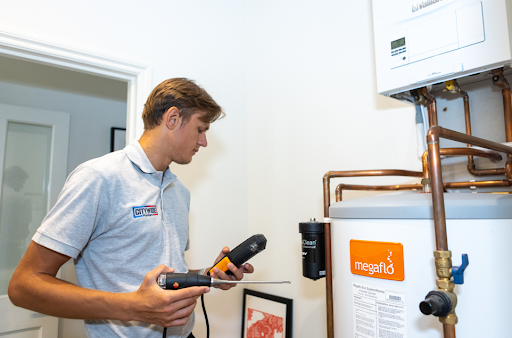
Professional diagnosis usually involves checking taps, valves, pipework, appliances, and pressure levels throughout the property. Skilled Plumbers in Fulham can identify whether the issue is localised to one fixture or affecting the whole system. This distinction is important because a single weak tap may only need cleaning or replacement, while whole-property low pressure may indicate a larger plumbing issue.
Low hot water pressure can also be linked to boiler or cylinder problems. If only hot water is affected, the issue may involve the heating system, a blocked heat exchanger, a faulty valve, or restrictions in hot water pipework. In these cases, a proper inspection is needed to avoid misdiagnosis.
Ignoring low water pressure can lead to further inconvenience and potential damage. If the cause is a hidden leak, leaving it unresolved may result in damp, mould, structural damage, or increased water bills. If the cause is limescale, the restriction may worsen over time and affect appliances.
Repair solutions depend on the cause. A plumber may clean or replace blocked fixtures, repair leaks, adjust valves, descale affected components, or recommend pipework improvements. In some cases, upgrading old pipework can significantly improve water flow and long-term reliability.
Many homeowners contact Plumbers in Fulham not only to fix the immediate issue but to improve the overall performance of their plumbing system. A reliable water supply is essential for comfort, efficiency, and property value.
Ultimately, low water pressure should not be treated as something you simply have to live with. With the right inspection and professional repairs, water flow can often be restored effectively, making daily life easier and helping prevent more serious plumbing issues in the future.
