
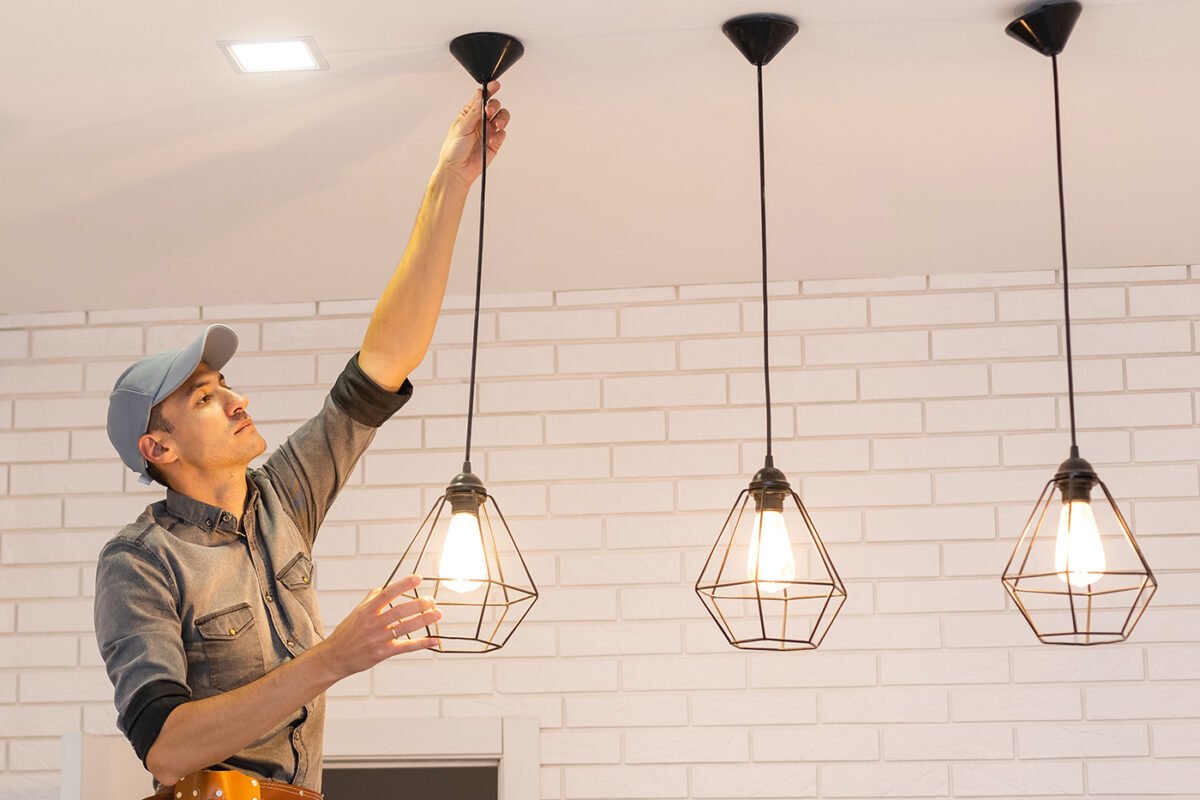
In both residential and commercial environments, the quality of interior and exterior fittings plays a major role in defining comfort, usability, and visual appeal. Fixtures are the essential components that support everyday activities, ranging from lighting and plumbing to cabinetry, electrical fittings, and decorative hardware. While they may seem like minor details compared to structural elements, their impact on functionality and design is significant. Proper fixture installation ensures that these components operate safely, efficiently, and in harmony with the overall layout of a space, contributing to both convenience and long-term durability.
As modern architecture continues to evolve, there is a growing emphasis on precision, efficiency, and aesthetic integration. Homeowners and property developers increasingly prioritize well-executed fixture work because poorly installed fittings can lead to operational issues, safety risks, and costly repairs. Whether it involves installing lighting systems, faucets, ceiling fans, or built-in storage units, attention to detail during installation is essential for achieving reliable and visually appealing results.
Understanding the Role of Fixtures in Built Environments
Fixtures are permanent or semi-permanent components that are attached to a building and serve specific functional purposes. Unlike movable furniture, fixtures are integrated into the structure and are intended to remain in place for extended periods. Common examples include sinks, toilets, bathtubs, lighting units, electrical outlets, cabinets, and shelving systems.
The importance of these elements extends beyond functionality. Fixtures contribute significantly to the overall design language of a space, influencing how modern, traditional, minimalistic, or luxurious an interior appears. Proper fixture installation ensures that these components not only perform their intended functions but also align with the design vision of the space.In addition to aesthetics, safety and efficiency are critical considerations. Incorrectly installed fixtures can lead to water leaks, electrical hazards, unstable fittings, or premature wear and tear. For this reason, professional installation practices are widely recommended to ensure long-lasting performance and compliance with safety standards.
Planning and Preparation Before Installation
Successful fixture work begins long before the actual installation process. Proper planning is essential to ensure that fixtures are compatible with the space, meet functional requirements, and align with design goals. This stage typically involves measuring dimensions, selecting appropriate materials, and determining placement based on usability and accessibility.
Accurate measurements are particularly important because even minor errors can lead to alignment issues or inefficient use of space. For example, improperly placed lighting fixtures may create uneven illumination, while poorly positioned plumbing fixtures can affect water flow and drainage efficiency.
Material selection is another important factor. Fixtures are available in a wide range of materials, including stainless steel, brass, ceramic, glass, and engineered composites. Each material offers different levels of durability, maintenance requirements, and aesthetic appeal. Choosing the right material ensures that fixtures not only match the design but also withstand daily use and environmental conditions.During the planning phase, professionals often evaluate existing infrastructure such as electrical wiring, plumbing lines, and structural supports. This ensures that the installation process proceeds smoothly without unexpected complications.
Importance of Professional Installation Practices
While some minor fixture installations may appear simple, many require technical expertise and specialized tools. Professional installation ensures that fixtures are securely fitted, properly aligned, and fully functional. This reduces the risk of future problems such as leaks, instability, or malfunctioning components.
Professionals follow industry standards and safety guidelines to ensure that installations meet regulatory requirements. For example, electrical fixtures must comply with wiring codes, while plumbing fixtures must be installed with proper sealing and drainage considerations. These standards are essential for preventing hazards and maintaining long-term reliability.
Another advantage of professional installation is efficiency. Experienced technicians can complete installations more quickly and accurately, reducing disruption to daily activities. Their expertise also allows them to identify potential issues early and implement solutions before they become major problems.High-quality fixture installation also enhances the overall value of a property. Well-installed fixtures contribute to a polished appearance and improve the functionality of living or working spaces, which can be particularly important in real estate markets.
Common Types of Fixtures and Their Installation Requirements
Different types of fixtures require different installation methods depending on their function and complexity. Lighting fixtures, for example, involve electrical connections that must be handled with care to ensure safety and proper illumination. Ceiling lights, wall sconces, and recessed lighting all require precise placement and secure wiring.
Plumbing fixtures such as sinks, faucets, toilets, and showers involve water supply and drainage systems. Proper sealing is essential to prevent leaks, while correct alignment ensures efficient water flow. Even minor installation errors can lead to long-term water damage or increased utility costs.
Cabinetry and shelving fixtures require careful anchoring to walls and structural surfaces. Load-bearing capacity must be considered to ensure that fixtures can safely support weight without risk of collapse. Misaligned installations can affect both functionality and visual appeal.
Electrical fixtures, including outlets, switches, and control panels, must be installed with strict adherence to electrical safety standards. Proper grounding, insulation, and circuit integration are essential to prevent electrical hazards.Each category of fixture requires specific expertise, tools, and techniques, highlighting the importance of skilled workmanship in achieving reliable results.
Challenges in Fixture Installation Projects
Despite careful planning, fixture installation projects can present a variety of challenges. One common issue is dealing with outdated infrastructure. Older buildings may have plumbing or electrical systems that are not compatible with modern fixtures, requiring additional modifications before installation can proceed.
Another challenge involves spatial limitations. Small or irregularly shaped spaces can make it difficult to position fixtures optimally. In such cases, creative solutions and customized fittings may be necessary to maximize functionality without compromising design.
Material compatibility can also pose difficulties. Certain fixtures may not be suitable for specific environments due to humidity, temperature fluctuations, or structural limitations. Selecting appropriate materials is essential to ensure long-term durability.Coordination between different types of installations is another important factor. For example, electrical and plumbing systems often need to be integrated carefully to avoid interference. Proper scheduling and collaboration among professionals help minimize these challenges.
Maintenance and Longevity of Installed Fixtures
Once fixtures are installed, proper maintenance is essential to ensure long-term performance. Regular cleaning, inspection, and minor adjustments can significantly extend the lifespan of fixtures and prevent costly repairs.
For plumbing fixtures, checking for leaks, mineral buildup, and seal integrity helps maintain efficiency. Lighting fixtures may require periodic replacement of bulbs or inspection of wiring connections. Cabinetry and hardware may need tightening or realignment over time due to regular use.
Preventive maintenance also helps identify early signs of wear and tear. Addressing small issues before they escalate can prevent major damage and reduce long-term maintenance costs.Well-executed fixture installation contributes to easier maintenance because properly fitted components are less likely to experience recurring issues. This highlights the importance of quality workmanship during the initial installation phase.
Aesthetic Impact and Interior Design Integration
Fixtures are not only functional elements but also important design features that influence the overall look and feel of a space. Modern interior design often emphasizes clean lines, minimalism, and cohesive styling, where fixtures play a key role in achieving visual harmony.
Lighting fixtures, for example, can dramatically alter the ambiance of a room by affecting brightness, color temperature, and shadow distribution. Similarly, well-chosen plumbing fixtures can enhance the elegance of kitchens and bathrooms, contributing to a cohesive design theme.
Cabinet handles, faucets, and decorative hardware may seem small, but they contribute significantly to the overall aesthetic appeal. Coordinating finishes, colors, and materials ensures that fixtures complement rather than clash with the surrounding environment.
Proper installation ensures that these design elements are positioned correctly and function seamlessly, reinforcing the intended visual impact.
Technological Advancements in Modern Fixture Systems
Advancements in technology have transformed the way fixtures are designed and installed. Smart fixtures, automated systems, and energy-efficient components are becoming increasingly common in modern buildings.
Smart lighting systems, for example, allow users to control brightness and color remotely using mobile devices or voice commands. Sensor-based faucets and toilets help conserve water by activating only when needed. These innovations not only improve convenience but also contribute to sustainability.
Modern installation techniques also incorporate precision tools and digital measurement systems that enhance accuracy and efficiency. These advancements reduce installation errors and improve overall performance.As technology continues to evolve, fixture systems are expected to become even more integrated with smart home ecosystems, offering greater control and customization options.
Sustainability and Environmental Considerations
Sustainability has become a key consideration in modern construction and renovation projects. Eco-friendly fixtures are designed to reduce water and energy consumption while maintaining high performance standards.
Low-flow faucets, energy-efficient lighting, and recycled materials are increasingly used in both residential and commercial installations. These solutions help reduce environmental impact while lowering utility costs.Proper fixture installation plays a crucial role in ensuring that sustainable fixtures perform as intended. Even the most efficient products can lose effectiveness if installed incorrectly.
By prioritizing environmentally responsible choices and professional installation practices, property owners can contribute to long-term sustainability goals while improving efficiency.
Conclusion
Fixtures are essential components of any built environment, combining functionality, safety, and aesthetic value. Their proper installation is critical to ensuring that spaces operate efficiently and maintain visual harmony. From lighting and plumbing to cabinetry and electrical systems, every fixture requires careful planning, precise execution, and ongoing maintenance.
Professional fixture installation not only enhances performance and durability but also contributes to safety, energy efficiency, and overall property value. As modern design trends continue to evolve, the importance of high-quality installation practices becomes even more significant.
By investing in skilled workmanship and thoughtful planning, property owners can create spaces that are both functional and visually appealing, ensuring long-term satisfaction and reliability across all types of fixtures.
