
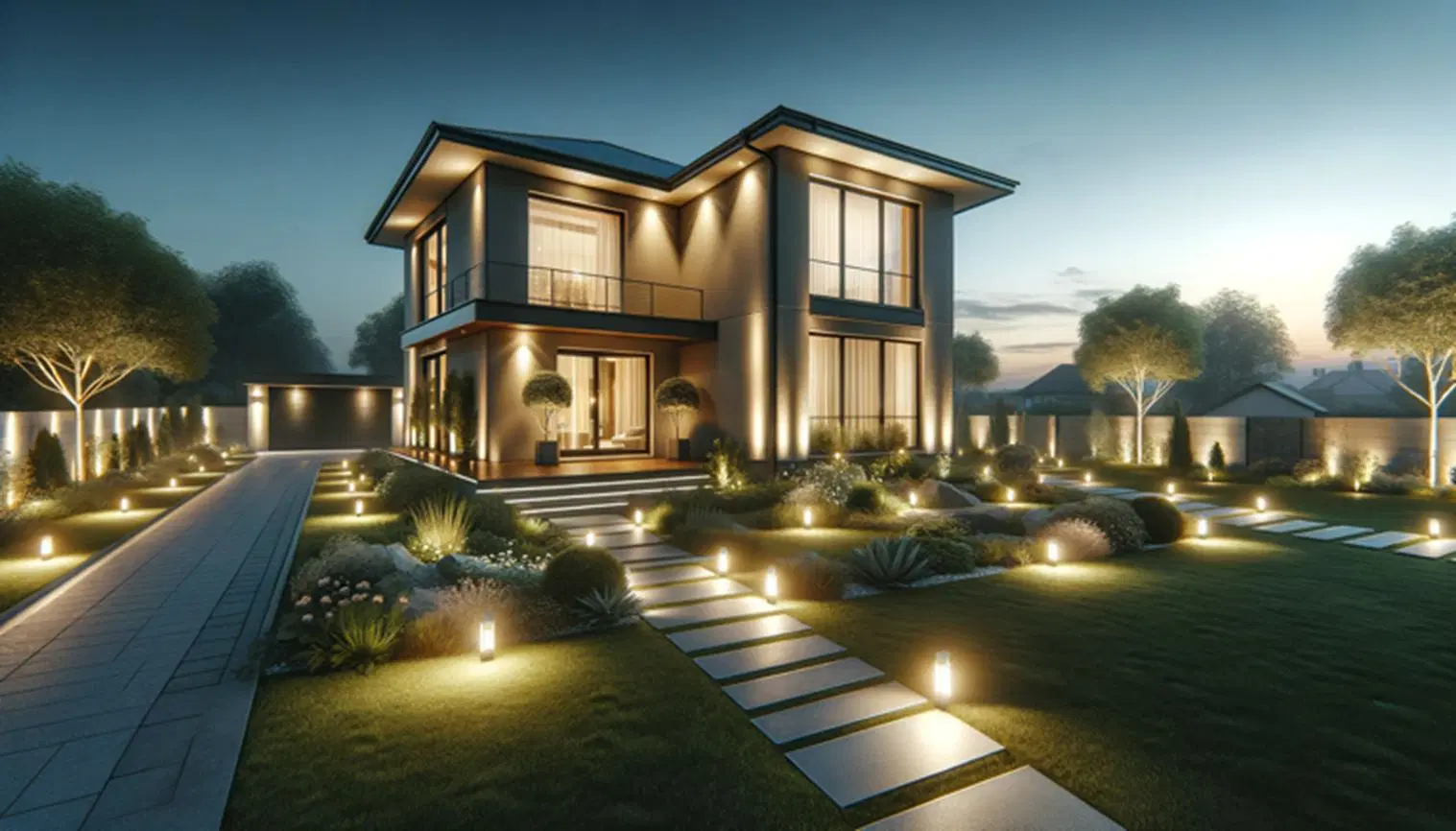
Seasonal lighting has become far more than a decorative tradition. It is now a blend of design planning, electrical safety awareness, energy efficiency considerations, and aesthetic storytelling that transforms ordinary spaces into visually engaging environments. Whether used for residential properties, commercial storefronts, or public spaces, well-planned lighting installations enhance atmosphere, improve curb appeal, and create a sense of celebration. In modern outdoor design, holiday lighting plays a central role in shaping how spaces are experienced during festive seasons, combining creativity with technical execution to achieve both beauty and safety.
At its core, outdoor lighting is about visibility and ambiance. However, seasonal installations introduce additional layers of complexity, including temporary mounting systems, weather resistance, electrical load management, and synchronized design themes. The result is a specialized practice that requires both artistic vision and technical understanding. Poor planning can lead to electrical hazards, uneven illumination, or inefficient energy usage, while professional execution ensures a balanced and visually cohesive display.
The Evolution of Decorative Exterior Lighting in Modern Design
Decorative lighting has evolved significantly over time, moving from simple incandescent string lights to advanced LED systems with programmable features, color variation, and smart automation. Earlier designs focused primarily on brightness and coverage, often consuming high amounts of electricity and generating significant heat. Modern systems, however, prioritize efficiency, durability, and flexibility, allowing users to create dynamic lighting displays with minimal energy consumption.
LED technology has played a transformative role in this evolution. Unlike traditional bulbs, LEDs consume less power, last significantly longer, and offer a wider range of color customization options. This makes them ideal for seasonal installations that require extended operating hours throughout festive periods. In addition, advancements in waterproofing and insulation have improved outdoor reliability, ensuring consistent performance even in challenging weather conditions.
The integration of smart controls has further revolutionized exterior lighting. Homeowners and businesses can now manage lighting patterns, brightness levels, and timing schedules through mobile applications or automated systems. This level of control not only enhances convenience but also improves energy efficiency by ensuring lights operate only when needed.
Planning and Design Principles for Effective Outdoor Displays
Successful lighting design begins with careful planning. Every structure has unique architectural features that can be enhanced through strategic illumination. Rooflines, windows, trees, pathways, and entry points all serve as potential focal areas that contribute to the overall visual composition.
Balance is one of the most important principles in lighting design. Overloading certain areas with excessive brightness while leaving others dark can create visual imbalance and reduce overall aesthetic appeal. Instead, a consistent distribution of light ensures harmony and clarity across the entire display.
Color selection also plays a critical role in design effectiveness. Warm white tones often create a classic and elegant look, while multicolor arrangements produce a more festive and energetic atmosphere. The choice depends on the intended mood and the surrounding environment. Commercial spaces may opt for brighter, attention-grabbing displays, while residential setups often focus on subtle elegance.
When executed professionally, holiday lighting becomes a form of visual storytelling that reflects personality, branding, or cultural tradition. It transforms ordinary structures into immersive seasonal experiences that engage viewers and enhance emotional connection.
Installation Techniques and Structural Safety Considerations
Proper installation is essential for both visual quality and safety. Outdoor electrical systems must be secured in a way that prevents exposure to moisture, physical stress, and wind damage. Specialized clips, anchors, and weather-resistant connectors are commonly used to ensure secure attachment without damaging surfaces.
Electrical load management is another critical factor. Overloading circuits can lead to power failures or fire hazards, especially when multiple lighting strands are connected without proper distribution. Professional installers calculate total power consumption and distribute loads across multiple circuits to maintain safe operation.
Height and accessibility also influence installation methods. Rooflines and tall structures often require ladders, extension tools, or harness systems to ensure safe working conditions. Proper safety protocols are essential to prevent accidents during installation and maintenance.
Weather resistance is particularly important in outdoor environments. Rain, snow, and wind can all impact performance if materials are not properly rated for exterior use. Waterproof connectors and insulated wiring help maintain consistent functionality regardless of environmental conditions.
Energy Efficiency and Sustainable Lighting Practices
Energy efficiency has become a major consideration in modern lighting design. Traditional incandescent systems have largely been replaced by LED-based solutions that consume significantly less electricity. This shift not only reduces operational costs but also supports environmental sustainability by lowering overall energy demand.
Timers and automation systems further enhance efficiency by controlling operating hours. Instead of leaving lights on continuously, automated systems ensure they operate only during peak viewing times. This reduces unnecessary energy consumption while maintaining visual impact.
Solar-powered lighting options have also gained popularity in certain applications. These systems store energy during the day and activate automatically at night, reducing reliance on electrical grids. While not suitable for all installations, they provide an eco-friendly alternative for smaller decorative setups.
Sustainable practices also include proper reuse and storage of lighting materials. High-quality systems can be reused for multiple seasons if properly maintained, reducing waste and long-term costs.
Maintenance, Storage, and Long-Term Durability
Maintenance is an often-overlooked aspect of seasonal lighting systems. After installation, periodic checks ensure that all connections remain secure and that no bulbs or segments have failed. Addressing minor issues early prevents larger system failures later in the season.
At the end of the season, proper removal and storage are essential for preserving equipment longevity. Lights should be carefully dismantled to avoid tangling or wire damage. Storing them in dry, temperature-controlled environments helps prevent deterioration and ensures they remain functional for future use.
Durability depends heavily on material quality. Weather-resistant coatings, reinforced wiring, and high-grade connectors all contribute to longer system lifespan. Investing in quality materials reduces replacement frequency and improves long-term cost efficiency.
Professional installers often provide maintenance services as part of their offerings, ensuring that systems remain in optimal condition throughout their lifespan.
Commercial Applications and Branding Impact
In commercial environments, lighting serves not only decorative purposes but also marketing and branding functions. Well-designed displays attract attention, increase foot traffic, and enhance customer engagement. Retail stores, hotels, and entertainment venues often use lighting as part of their seasonal marketing strategy to create memorable experiences.
Color schemes and design themes can be aligned with brand identity, reinforcing recognition and emotional connection with customers. For example, elegant white lighting may convey sophistication, while vibrant multicolor displays suggest excitement and energy.
In competitive commercial areas, visually striking holiday lighting can significantly influence customer behavior by making properties more noticeable and inviting compared to surrounding businesses.
Common Installation Challenges and How Professionals Address Them
Despite its visual appeal, outdoor lighting installation presents several challenges. One of the most common issues is uneven distribution, which can occur when planning is not properly executed. This results in certain areas appearing too bright while others remain underlit.
Electrical limitations are another challenge, especially in older buildings with outdated wiring systems. In such cases, upgrades or load redistribution may be necessary to safely support additional lighting.
Weather conditions can also complicate installation and maintenance. Wind, rain, and freezing temperatures may delay setup or damage improperly secured systems. Professionals account for these factors during planning to ensure stability and durability.
Time constraints are another consideration, particularly during peak seasonal periods when demand for installation services is high. Efficient scheduling and pre-planning help ensure timely completion without compromising quality.
The Value of Professional Expertise in Lighting Design
While some property owners choose to install lighting themselves, professional expertise offers significant advantages in terms of safety, design quality, and efficiency. Experienced installers understand electrical systems, structural limitations, and aesthetic principles that contribute to a successful display.
Professionals also bring access to commercial-grade materials that offer higher durability and better performance compared to standard retail options. This results in more reliable installations that withstand environmental conditions more effectively.
Additionally, professional services often include design consultation, installation, maintenance, and removal, providing a complete end-to-end solution that reduces stress and ensures consistent quality.
Conclusion: Creating Memorable Seasonal Experiences Through Thoughtful Illumination
Seasonal lighting is a powerful tool for transforming spaces, enhancing ambiance, and creating memorable visual experiences. When thoughtfully designed and properly installed, it combines artistic creativity with technical precision to deliver both beauty and functionality.
The role of holiday lighting extends beyond decoration, influencing emotional atmosphere, commercial engagement, and architectural appreciation. With careful planning, energy-efficient technology, and professional execution, lighting installations can achieve stunning results while maintaining safety and sustainability.
Ultimately, effective lighting design is about more than illumination—it is about creating environments that inspire, welcome, and celebrate the spirit of the season.
