
Introduction
Storms can arrive with little warning and leave behind a trail of destruction that affects homes, buildings, and entire communities. Strong winds, heavy rain, hail, and flooding can all contribute to serious structural and environmental damage. What makes storm damage particularly challenging is that it often involves multiple issues at once, including water intrusion, broken structures, and debris scattered across the property.
Recovering from such an event requires a well-organized and thoughtful approach. Storm damage restoration is the process that allows property owners to repair, rebuild, and return to normal life. It is not just about fixing visible damage but also about addressing hidden problems that could lead to long-term issues if ignored.
Understanding the Impact of Storm Damage
Storm damage can vary widely depending on the type and intensity of the storm. High winds can tear off roofs, break windows, and weaken structural elements. Heavy rainfall can lead to water infiltration, flooding, and damage to interiors. Hail can dent surfaces, crack roofing materials, and damage vehicles and outdoor equipment.
One of the most significant challenges is that storm damage often affects multiple parts of a property simultaneously. For example, a storm may damage the roof, allowing water to enter the building, which then leads to interior damage and potential mold growth. This chain reaction makes restoration more complex and time-sensitive.
Common Causes of Storm-Related Damage
Storm damage is typically caused by a combination of natural elements working together. Strong winds are one of the primary causes, capable of uprooting trees, breaking branches, and damaging structures. Flying debris carried by wind can shatter windows and create openings that expose the interior to further damage.
Heavy rain is another major factor. When rainfall exceeds the capacity of drainage systems, water can accumulate around a property and seep inside. Poor drainage or clogged gutters can worsen the situation by preventing water from flowing away properly.
Lightning strikes can cause fires or electrical damage, while hailstorms can impact roofs, siding, and windows. In some cases, storms also bring flooding, which can cause extensive damage to foundations, flooring, and personal belongings.
Signs of Storm Damage
After a storm, it is important to inspect the property for signs of damage, even if everything appears normal at first glance. Some issues may not be immediately visible but can worsen over time if left unaddressed.
Common signs include missing or damaged roofing materials, broken windows, and dents or cracks on exterior surfaces. Water stains on ceilings or walls can indicate leaks, while damp or musty odors may suggest hidden moisture.
Outdoor areas should also be checked for fallen trees, damaged fences, and debris. These issues can pose safety risks and should be addressed as soon as possible.
The Importance of Immediate Response
Time plays a critical role in storm recovery. The longer damage is left untreated, the more severe it can become. Water intrusion, for example, can quickly lead to mold growth and structural weakening if not addressed promptly.
Immediate action helps minimize damage and reduces the overall cost of repairs. Securing the property, removing standing water, and beginning the drying process are essential steps in preventing further issues.
A quick response also improves the chances of salvaging materials and belongings. Delaying the restoration process can result in permanent damage that could have been avoided.
The Storm Damage Restoration Process
Storm damage restoration involves several stages, each designed to address specific aspects of the damage. The process begins with a detailed inspection to assess the extent of the problem and identify all affected areas.
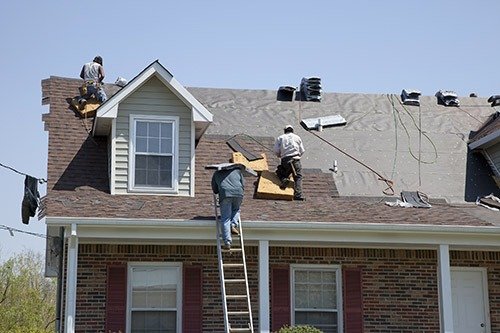
Once the assessment is complete, the next step is securing the property. This may involve boarding up broken windows, covering damaged roofs, and removing hazardous debris. These measures help protect the property from additional exposure.
Water removal and drying are critical steps, especially if flooding or leaks have occurred. Specialized equipment is used to extract water and eliminate moisture from affected areas. This helps prevent mold growth and further deterioration.
Cleaning and sanitizing follow, ensuring that surfaces are safe and free from contaminants. Finally, repairs and reconstruction are carried out to restore the property to its original condition.
Challenges in Storm Damage Restoration
Restoring a property after a storm is often complicated by the variety of damage involved. One of the biggest challenges is identifying hidden issues, such as moisture trapped within walls or damage to structural components that are not immediately visible.
Another challenge is dealing with multiple types of damage at once. For example, a property may require both water damage repair and structural rebuilding. Coordinating these tasks requires careful planning and expertise.
Access to the property can also be a challenge, especially if debris or flooding has made the area unsafe. These factors make it important to approach restoration with a clear plan and the right resources.
Professional Restoration Services
While minor damage can sometimes be handled independently, most storm-related issues require professional assistance. Experts in storm damage restoration have the tools and experience needed to handle complex situations safely and efficiently.
They use advanced equipment to detect hidden moisture, remove water, and repair structural damage. Professionals also ensure that all aspects of the damage are addressed, reducing the risk of future problems.
Working with professionals can save time and effort while providing a more thorough and reliable restoration process.
Preventing Secondary Damage
After a storm, preventing further damage is just as important as repairing the initial impact. Water left standing can lead to mold growth, while exposed areas can be affected by additional weather conditions.
Proper drying, ventilation, and temporary repairs help protect the property during the restoration process. Acting quickly to address these issues can significantly reduce long-term damage.
Restoring Structural Integrity
Storms can weaken the structure of a building, making it unsafe if not properly repaired. Roofs, walls, and foundations must be carefully inspected and restored to ensure stability.
Structural repairs may involve reinforcing weakened areas, replacing damaged materials, and ensuring that the building meets safety standards. This step is essential for creating a secure environment.
Cleaning and Sanitization
Storm damage often leaves behind dirt, debris, and contaminants. Floodwater, in particular, can carry harmful substances that pose health risks. Cleaning and sanitizing affected areas are important steps in restoring a safe environment.
Specialized cleaning methods are used to remove contaminants and eliminate odors. This process ensures that the property is not only visually restored but also safe for occupancy.
Emotional and Financial Recovery
Dealing with storm damage can be stressful and overwhelming. The loss of property and disruption of daily life can take an emotional toll. Financial concerns, including repair costs and insurance claims, can add to the challenge.
Having a clear restoration plan and working with experienced professionals can help ease this burden. Staying organized and addressing each step methodically makes the recovery process more manageable.
Long-Term Benefits of Proper Restoration
Investing in proper storm damage restoration provides lasting benefits. It ensures that the property is safe, functional, and protected against future issues. Thorough restoration also helps maintain property value and reduces the likelihood of recurring problems.
Addressing both visible and hidden damage creates a stronger and more resilient structure. This not only improves safety but also provides peace of mind.
Preparing for Future Storms
While storms cannot be prevented, their impact can be minimized through preparation. Regular maintenance, such as inspecting roofs and cleaning gutters, helps keep a property in good condition.
Reinforcing windows, securing outdoor items, and ensuring proper drainage can reduce the risk of damage during severe weather. Having an emergency plan in place also helps property owners respond quickly when a storm occurs.
Conclusion
Storms can cause widespread damage, but recovery is possible with the right approach. Understanding the nature of storm damage and taking immediate action are essential steps in restoring a property.
Storm damage restoration involves more than just repairs; it requires a comprehensive process that addresses all aspects of damage. By focusing on timely response, professional assistance, and preventive measures, property owners can rebuild and create a safer, more resilient environment for the future.
