
Introduction
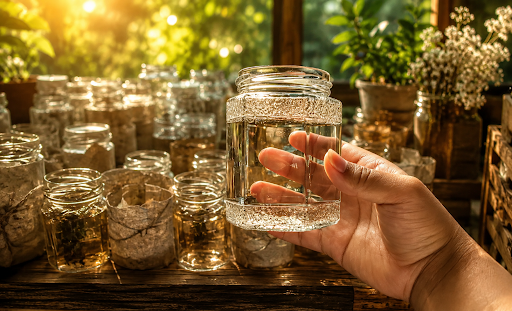
Glass jars are widely used across many industries. They provide a safe, durable, and attractive packaging solution for food, beverages, cosmetics, pharmaceuticals, and household products. Their transparency allows consumers to see the contents, while their ability to preserve freshness makes them a preferred choice for manufacturers.
Different products require different types of glass jars. Understanding the classification of glass jar types can help businesses choose the most suitable packaging for their needs. This article explores the main categories of glass jars and their common applications.
Classification by Manufacturing Quality
The quality of production is one of the most important factors in classifying glass jars. High-quality glass jars are manufactured using advanced technology and strict quality control processes. They offer excellent durability, clarity, and consistency.
Businesses looking for reliable packaging often work with a High-Quality Glass Jar Manufacturer – Ruisen Glass to ensure that their products meet industry standards and customer expectations. Premium quality jars are less likely to crack, chip, or develop defects during transportation and storage.
Manufacturing quality also affects sealing performance, which is critical for preserving product freshness and extending shelf life.
Classification by Shape
Glass jars come in a wide variety of shapes to suit different products and branding requirements.
Round Glass Jars
Round jars are among the most common options. They are easy to manufacture, store, and transport. These jars are frequently used for jams, sauces, honey, and candles.
Square Glass Jars
Square jars provide a modern appearance and make efficient use of shelf space. They are often used for spices, snacks, and specialty foods.
Hexagonal Glass Jars
Hexagonal jars offer a distinctive look that helps products stand out on store shelves. They are commonly used for premium honey and gift products.
Specialty Shaped Jars
Some manufacturers create unique shapes for branding purposes. These jars can improve product recognition and create a memorable customer experience.
Classification by Neck Finish
The neck finish refers to the opening and closure design of a glass jar. Different neck finishes support different packaging requirements.
Wide Mouth Jars
Wide-mouth jars allow easy filling and access to the product. They are ideal for pickles, sauces, peanut butter, and cosmetic creams.
Narrow Mouth Jars
Narrow-mouth jars are suitable for liquid products and items that require controlled dispensing. They are often used for beverages and pharmaceutical products.
Threaded Neck Jars
Threaded-neck jars work with screw caps and provide a secure seal. They are widely used in food and beverage packaging.
Lug Finish Jars
Lug finish jars are commonly used for vacuum-sealed food products. Their closure system helps maintain freshness and product quality.
Classification by Application
Glass jars can also be classified according to their intended use. Companies such as Ruisen Glass produce a wide range of jars designed for specific industries and applications.
Food Storage Jars
Food jars are designed to preserve freshness and prevent contamination. They are commonly used for jams, sauces, spices, honey, and pickled products.
Beverage Jars
These jars are suitable for juices, smoothies, and specialty drinks. They often feature strong sealing systems to prevent leakage.
Cosmetic Jars
Cosmetic jars are used for creams, lotions, masks, and beauty products. They focus on appearance, functionality, and product protection.
Pharmaceutical Jars
Pharmaceutical glass jars must meet strict safety and hygiene standards. They are used for medicines, supplements, and healthcare products.
Household Product Jars
Many cleaning products, candles, and decorative items are packaged in glass jars because of their durability and attractive appearance.
Classification by Glass Color
The color of a glass jar plays an important role in product protection and presentation.
Clear Glass Jars
Clear glass is the most popular option because it allows customers to view the product inside. It is widely used for food, beverages, and cosmetics.
Amber Glass Jars
Amber glass provides protection against ultraviolet light. It is often used for pharmaceuticals, essential oils, and light-sensitive products.
Green Glass Jars
Green glass offers moderate protection from light and is commonly used for beverages and specialty products.
Frosted Glass Jars
Frosted glass creates a premium appearance and is popular in the cosmetic and luxury product markets.
Classification by Capacity
Glass jars are available in many sizes to accommodate different packaging needs.
Small Capacity Jars
These jars typically hold less than 100 milliliters and are suitable for samples, spices, and cosmetic products.
Medium Capacity Jars
Medium-sized jars are commonly used for sauces, jams, creams, and food products.
Large Capacity Jars
Large jars are designed for bulk storage and family-sized products. They are often used for pickles, candies, and dry goods.
Advantages of Choosing the Right Glass Jar Type
Selecting the correct glass jar offers several benefits:
- Better product protection
- Improved shelf appeal
- Enhanced customer satisfaction
- Increased product shelf life
- Stronger brand image
- Greater sustainability and recyclability
By understanding the different classifications, businesses can choose packaging that supports both product performance and marketing goals.
Conclusion
Glass jars are available in many forms, each designed to meet specific packaging requirements. They can be classified by manufacturing quality, shape, neck finish, application, color, and capacity. Every category serves a unique purpose and helps businesses deliver products safely and effectively.
Choosing the right glass jar is an important decision that influences product protection, storage efficiency, and consumer perception. By understanding the various types of glass jars, companies can select packaging solutions that align with their product needs and brand objectives.