Understanding the Role of Modern Roofing Systems
A roofing system is one of the most important structural elements of any building because it protects against rain, wind, heat, and environmental damage while also supporting energy efficiency and indoor comfort. A well-designed roof ensures that the structure remains safe and durable for many years, reducing the risk of water intrusion, mold growth, and structural weakening. In modern construction, flat roofing has become a widely used solution due to its practical design and efficient use of space. Its popularity continues to grow because it supports both residential and commercial architecture while offering flexibility in design and functionality. When properly installed and maintained, it delivers long-term performance and cost efficiency that appeals to property owners seeking modern roofing solutions.
Evolution of Roofing Design and Materials
Roofing systems have developed significantly over time, moving from traditional sloped designs to more versatile and functional structures. Early roofing systems focused mainly on water drainage, but modern systems now balance durability, aesthetics, and usability. Flat roofing has gained attention because it allows architects and builders to maximize usable space while maintaining a clean and modern appearance. Advances in roofing materials such as reinforced membranes, waterproof coatings, and improved insulation layers have made modern roofing systems more reliable than ever. These improvements help reduce maintenance requirements while enhancing long-term structural protection, making roofing systems more efficient and sustainable.
Key Advantages of Flat Roofing Systems
One of the most important benefits of flat roofing is its efficient use of space, which allows property owners to utilize the roof surface for multiple purposes. This can include installing solar panels, HVAC systems, or creating additional functional outdoor space. Another advantage is cost-effectiveness, as flat roofing generally requires fewer materials and simpler construction methods compared to traditional sloped roofs. Maintenance is also more accessible due to the flat surface, making inspections and repairs easier to perform. When designed correctly with proper drainage systems, flat roofing provides excellent durability and long-term reliability. These advantages make it a preferred choice for modern construction projects focused on practicality and efficiency.
Common Issues and Structural Challenges
Despite its benefits, flat roofing can face certain challenges if not properly designed or maintained. Water pooling is one of the most common issues, often caused by insufficient drainage or improper installation. Over time, standing water can weaken roofing materials and lead to leaks or structural damage. Exposure to UV radiation, temperature fluctuations, and heavy weather conditions can also contribute to wear and tear. Small cracks or punctures may develop if the roofing surface is not regularly inspected. Addressing these issues early is essential to prevent more serious damage. Regular maintenance and professional inspections play a key role in ensuring long-term performance and durability.
Importance of Proper Installation Techniques
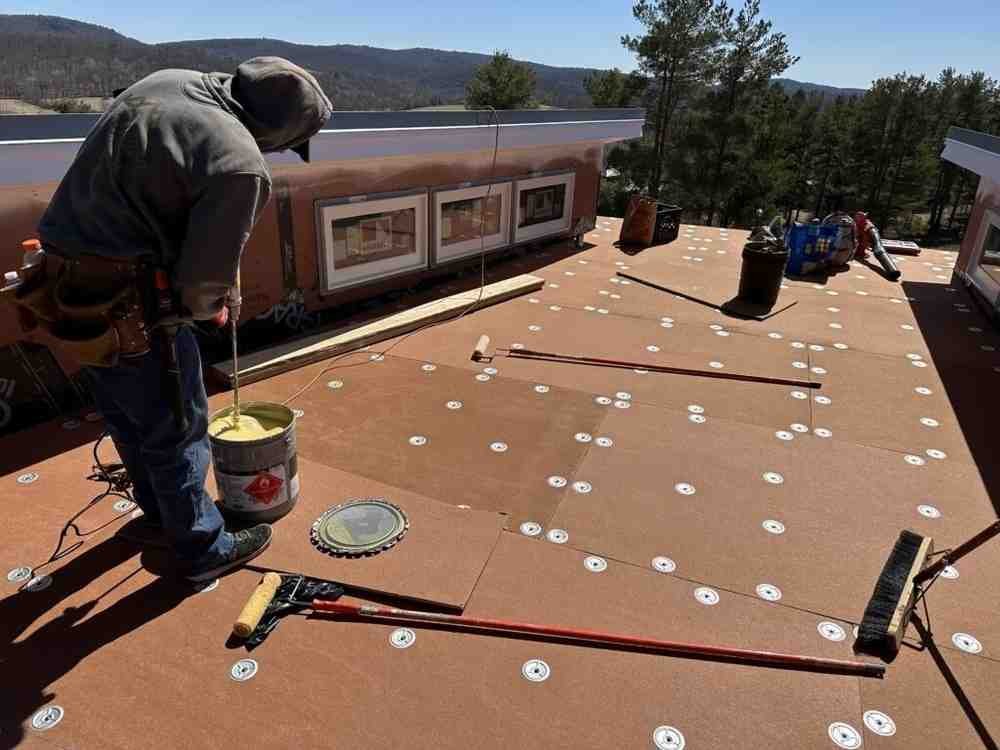
The success of any roofing system depends heavily on the quality of its installation. Even the most advanced materials cannot perform well if they are not installed correctly. Proper flat roofing installation involves preparing the surface, applying waterproof layers, sealing joints, and ensuring effective drainage design. Each step must be completed with precision to avoid future issues such as leaks or structural instability. Professional installation ensures that the roofing system meets industry standards and performs efficiently under different weather conditions. Skilled workmanship also helps extend the lifespan of the roof while minimizing long-term maintenance costs.
Maintenance Practices for Long-Term Performance
Regular maintenance is essential to keep roofing systems in optimal condition. Inspections should be conducted periodically to identify early signs of damage such as cracks, blistering, or debris accumulation. Cleaning the surface helps prevent water buildup and ensures that drainage systems function properly. Flat roofing requires special attention because even minor blockages can lead to standing water issues. Seasonal maintenance is especially important in changing weather conditions to prevent unexpected damage. A proactive maintenance approach not only extends the life of the roof but also helps reduce repair costs and improves overall performance.
Energy Efficiency and Environmental Benefits
Modern roofing systems are designed to improve energy efficiency and reduce environmental impact. Proper insulation and reflective coatings help regulate indoor temperatures, reducing the need for excessive heating or cooling. This leads to lower energy consumption and improved cost savings over time. Flat roofing systems also support sustainable construction practices by accommodating solar panels and green roof installations. These features contribute to environmental responsibility while enhancing building efficiency. Improved ventilation and thermal control further support indoor comfort and reduce energy waste, making modern roofing systems a smart choice for sustainable development.
Choosing the Right Roofing Solution
Selecting the right roofing system requires careful evaluation of factors such as building design, climate conditions, budget, and long-term performance needs. Different roofing systems offer unique advantages, and choosing the right one ensures better durability and efficiency. Flat roofing is often preferred for modern buildings due to its versatility and cost-effectiveness. However, proper installation and maintenance are essential to ensure maximum performance. Consulting experienced professionals helps property owners make informed decisions based on structural requirements and environmental conditions. A well-chosen roofing system provides long-term protection and enhances overall property value.
Conclusion
A strong and well-designed roofing system is essential for protecting any building and ensuring long-term structural stability. From installation to maintenance, every stage plays a vital role in determining the overall performance of the roof. Flat roofing offers a modern, practical, and cost-effective solution for many types of buildings, but its success depends on proper installation and regular care. When maintained correctly, it provides durability, energy efficiency, and long-term value. Investing in quality materials and professional expertise ensures that the roofing system remains reliable for many years, offering consistent protection and improved building performance.