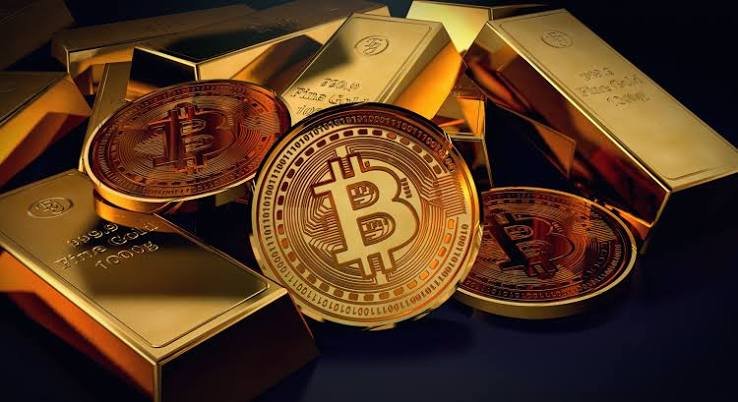
The cryptocurrency is down by 12 percent over seven days while gold shows no concern. This difference alone is sufficient to make numerous portfolio managers reconsider their approach in terms of either one or another choice. Speculators are attracted by the potential offered by cryptocurrencies while at the same time fearing fluctuations. Pensioners and other long-term investors look for more stable assets but still want to use all the advantages offered by blockchain technology.
This conflict resulted in the appearance of a particular type of investment: crypto backed by gold. It is not something unique in its nature, but tokenization brings new approaches to its usage.
The Volatility Problem Gold Tokens Actually Solve
Ethereum swung between $1,600 and $4,000 within a single year not long ago. That kind of range makes long-term planning nearly impossible for anyone who isn’t actively trading. Gold-backed tokens track an asset that’s moved in a much narrower band historically, often single-digit percentage shifts over a full year. For someone parking capital rather than gambling on it, that difference matters more than any yield promise.
How the Backing Actually Works
Each token represents a claim on physical gold sitting in a vault — usually one troy ounce, sometimes a fraction of one. Tether Gold and PAX Gold are the two most recognized names in this space, both audited periodically to confirm reserves match tokens in circulation. You’re not buying a derivative or a promise; you’re buying a receipt for metal that physically exists somewhere in Switzerland or London.
Liquidity Without the Bank Vault Hassle
Selling physical gold requires locating a dealer, undergoing an appraisal process, and sometimes taking losses on the spread. Gold-backed tokens are traded on exchange platforms round the clock, settle within minutes, and can even be transferred to another wallet without any documentation. That’s the entire pitch in one sentence, honestly — same asset, fewer friction points.
Inflation Hedging Gets a Digital Upgrade
Gold has protected purchasing power through currency collapses for centuries — the Weimar Republic, Zimbabwe, Venezuela, take your pick. Tokenizing it doesn’t change that core property; it just makes the hedge portable and divisible down to fractions of a cent. Someone in Lagos or Manila can now hold gold exposure without ever touching a bank that requires minimum deposits they can’t meet.
Portfolio Diversification Beyond Correlated Crypto Assets
Almost all the cryptocurrency tokens have a high degree of correlation. If Bitcoin catches a cold, all other altcoins get sick just after a few hours. Gold-based tokens have very little correlation because their prices depend on commodity market sentiments.
Comparison of how these assets generally act:
| Asset Type | Typical Annual Volatility | Backing | 24/7 Trading |
| Bitcoin | 40–70% | None (algorithmic scarcity) | Yes |
| Gold-backed tokens (e.g. PAXG) | 8–15% | Physical gold reserves | Yes |
| Physical gold (ETF) | 10–15% | Physical gold | No (market hours) |
| Stablecoins (USDC) | Near 0% | Fiat reserves | Yes |
What draws long-term holders specifically
- No expiration or storage fees like physical bullionoften carries
- Redeemable for physical gold in some cases, above certain quantities
- Transparent, on-chain reserve audits published on a regular cycle
- Works as digital gold ownership without a safety deposit box
A few things worth checking before choosing a specific token:
- Confirm the issuer publishes third-party audit reports, not just self-attestations
- Check redemption minimums — some require holding 430 ounces worth before physical delivery
- Look at trading volume; thin liquidity can widen the spread between buy and sell price
Not every crypto backed by gold is equal, either. Some are backed one-to-one, others use fractional reserves with looser transparency standards — that distinction alone can make or break trust in the product.
FAQs
Can gold-backed tokens lose value even though they’re tied to gold?
Yes, since gold prices themselves fluctuate; the token isn’t immune to commodity market swings, just to crypto-specific volatility.
Do I need a crypto wallet to hold gold-backed tokens?
Generally yes — most run on Ethereum or similar chains, requiring a standard crypto wallet for storage.
Is physical gold delivery possible from these tokens?
Some issuers allow redemption for physical bars, though minimum quantities and fees vary widely between platforms.
How are gold reserves verified for these tokens?
Audits by third parties are done on a quarterly or monthly basis, where they match the quantity of tokens to the physical reserves and provide reports.
Do gold-backed tokens incur different taxation from other cryptocurrencies?
Tax treatment depends on jurisdiction; some countries classify them as commodity holdings rather than standard crypto assets.
Gold-backed tokens aren’t a replacement for bitcoin’s growth potential, and nobody’s claiming they should be. What they offer instead is a parking spot — something that moves like crypto but sits still like the metal it represents, which is exactly what a lot of investors have been missing between two extremes.