
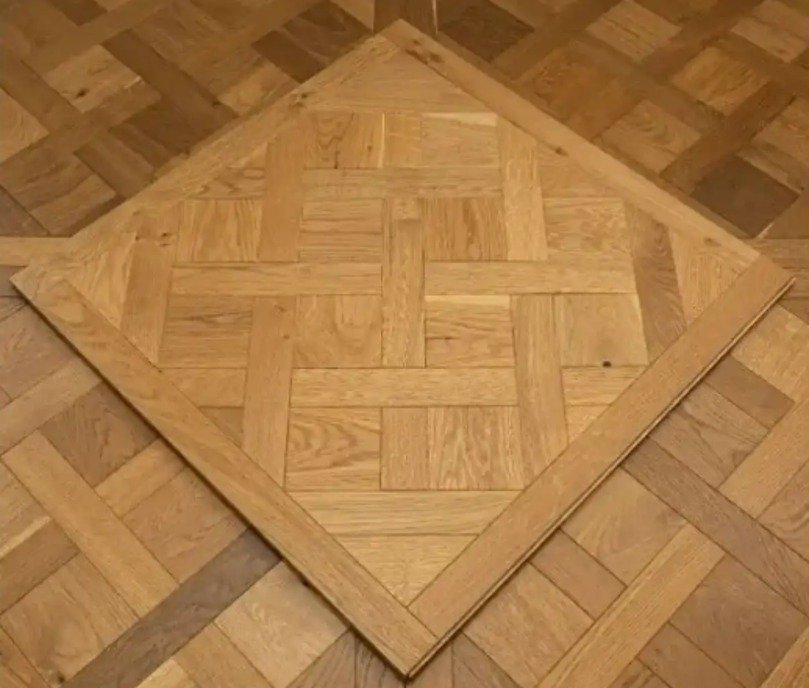
Parquet flooring is one of the most iconic and enduring styles in interior design. Its geometric patterns, intricate craftsmanship and unmistakable elegance have made it a favourite for centuries. But the story of parquet is more than a tale of aesthetics. It’s a journey through architecture, culture, craftsmanship and innovation. From the grand halls of Versailles to the modern homes of the UK, parquet flooring has evolved, adapted and re‑emerged as a symbol of timeless style.
In this article, we at Floor Land explore the fascinating history of parquet flooring, how it became a hallmark of luxury and why it continues to thrive in contemporary interiors.
The Origins: Parquet as a Craft of Artisans
Parquet flooring first appeared in 16th‑century France, during a time when craftsmanship was celebrated and interior design was becoming more expressive. Before parquet, stone and marble were the dominant flooring materials in grand buildings. They were beautiful, but they were cold, heavy and required constant maintenance.
Wood offered warmth and comfort, but early wooden floors were simple planks. Parquet changed everything.
What made parquet revolutionary?
- It used small pieces of wood arranged in geometric patterns
- It allowed artisans to create decorative floors without relying on stone
- It introduced warmth and acoustic comfort to large rooms
- It became a symbol of craftsmanship and status
Parquet was art just as much as it was flooring.
Versailles: The Birthplace of Iconic Parquet
Parquet flooring reached its peak of early popularity in the 17th century, particularly during the reign of Louis XIV. The Palace of Versailles became the epicentre of parquet innovation, where artisans created elaborate patterns to replace the high‑maintenance marble floors.
The Versailles Pattern
The famous “Versailles panel” (a square panel of interwoven geometric shapes) was designed specifically for the palace. It remains one of the most recognisable parquet patterns in the world.
Why Versailles mattered
- It set the standard for luxury flooring
- It showcased parquet as a symbol of wealth and power
- It influenced European design for centuries
From that moment on, parquet flooring became synonymous with elegance.
The Spread of Parquet Across Europe
After Versailles, parquet flooring spread rapidly across Europe. It became a staple in:
- Palaces
- Manor houses
- Government buildings
- Grand hotels
- High‑end residences
Each region developed its own variations, but the core principles remained the same: geometry, craftsmanship and beauty.
Popular historical patterns included:
- Herringbone
- Chevron
- Basketweave
- Versailles panels
- Chantilly patterns
These designs were handcrafted, often taking weeks or months to complete.
The Victorian Era: Parquet in British Homes
Parquet flooring became popular in the UK during the Victorian era, when craftsmanship and ornate design were highly valued. Wealthy homeowners installed parquet in:
- Entrance halls
- Drawing rooms
- Libraries
- Dining rooms
Victorian parquet often featured darker woods like walnut and mahogany, creating rich, dramatic interiors.
The 20th Century: Parquet’s Decline and Reinvention
As the 20th century progressed, parquet flooring faced competition from new materials:
- Linoleum
- Carpet
- Vinyl
- Mass‑produced hardwood
These materials were cheaper and easier to install, leading to a decline in traditional parquet. However, parquet never disappeared, it simply evolved.
Engineered Parquet: A Modern Breakthrough
The introduction of engineered wood flooring in the late 20th century transformed parquet forever.
Engineered parquet offered:
- Greater stability
- Compatibility with underfloor heating
- Easier installation
- More affordable pricing
- Wider availability
This innovation brought parquet back into mainstream interior design.
The 21st Century: Parquet’s Modern Revival
Today, parquet flooring is experiencing a major resurgence. Homeowners and designers are rediscovering its beauty, versatility and ability to elevate any space.
Why parquet is popular again
- Design trends favour natural materials
- Geometric patterns complement modern interiors
- Engineered construction makes parquet practical
- Light, neutral tones suit contemporary homes
- Open‑plan living benefits from patterned flooring
Parquet is no longer reserved for grand estates; it’s now a favourite in modern apartments, new‑build homes and renovated properties across the UK.
Modern Parquet: A Blend of Heritage and Innovation
Today’s parquet flooring combines centuries‑old design with modern engineering.
Modern benefits include:
- Moisture‑resistant cores
- Precision‑cut blocks
- Click‑fit installation options
- Sustainable sourcing
- A wide range of finishes
- Compatibility with underfloor heating
This blend of tradition and technology makes parquet one of the most versatile flooring choices available.
Parquet in Contemporary Interior Design
Parquet flooring works beautifully in modern homes because it adds structure, warmth and visual interest without overwhelming the space.
Modern parquet trends include:
- Light oak herringbone
- Whitewashed chevron
- Wide‑plank herringbone
- Smoked oak parquet
- Matte and brushed finishes
These styles pair perfectly with minimalist, Scandinavian, industrial and contemporary interiors.
Why Parquet Flooring Endures
Parquet flooring has survived centuries of changing tastes because it offers something unique: a combination of artistry, geometry and natural beauty. It adapts to new styles while retaining its heritage, making it both timeless and modern.
At Floor Land, our parquet collections honour this history while embracing the innovations that make parquet practical for today’s homes. Whether you prefer classic herringbone or sleek chevron, parquet flooring brings a sense of craftsmanship and elegance that never goes out of style.
Authored by Lee McCarthy.
Floor Land
Cockhedge Shopping Centre
Warrington
Cheshire
United Kingdom
WA1 2QQ
